Africa09 September, 20264 min read
Nigeria Secret Ceasefire With Boko Haram Linked to Release of 360 Civilians in Borno
This article is an automated aggregation of coverage from news outlets. Our editorials offer in-depth analysis curated by the NewsCord team.
Secret ceasefire between Nigerian government and Boko Haram has lasted three months. Truce linked to hostage negotiations yielding 360 civilian releases.
6 outlets told this the same way.
Secret truce, hostage link
A reported secret ceasefire between Nigeria and Boko Haram has been in effect for the past three months, following behind-the-scenes negotiations tied to the release of 360 civilians abducted in Borno State from Ngoshe in Gwoza Local Government Area in the Mandara Mountains near Nigeria’s border with Cameroon. The ICIR says three people with contacts within Boko Haram, including senior members, told The New Humanitarian that the truce began in June and could be extended for another 40 days, and it links the arrangement to a ransom payment of N5 billion, equivalent to about $3.7 million at the exchange rate cited in the report. It also reports that in June the Nigerian Army announced that 360 abductees had been freed from Boko Haram captivity in the Mandara Mountains after an intelligence-led operation, with Special Forces and troops of Sector 1 under Operation Hadin Kai storming the enclave and freeing the captives.
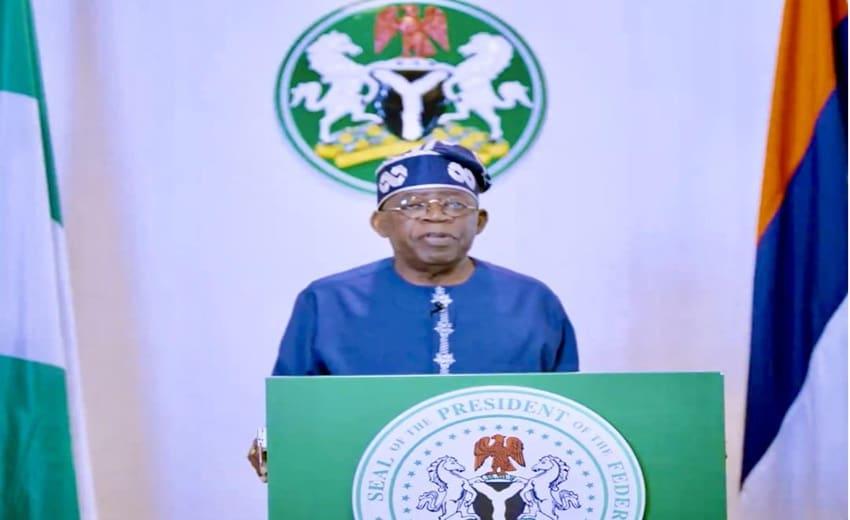
The ICIR adds that circumstances surrounding the release have since generated competing accounts, with some local and security sources saying Boko Haram released the captives, contradicting the Army’s account, and it notes that Boko Haram had publicly demanded the amount for the release of the Ngoshe captives. The reported ceasefire comes as President Bola Tinubu emphasized expanding Nigeria’s military capacity, including plans to recruit 30,000 additional soldiers and create four new army divisions, while a June 4 security briefing by Information and National Orientation Minister Mohammed Idris described operations around the Kirawa-Pulka and Ngoshe axes under Operation Hadin Kai.

Silence from DHQ
The Guardian Nigeria News reports that TheDefence Headquarters (DHQ) declined to comment on allegations that the federal government reached a secret ceasefire deal with Boko Haram terrorists in June 2026, after a report by The New Humanitarian said the ceasefire followed negotiations linked to the release of 360 civilians abducted in Ngoshe, Borno State.
It says the report alleged the arrangement involved the payment of N5 billion as ransom, a claim the federal government has denied, and it adds that the Director of Defence Media Operations, Maj.-Gen. Mike Onoja, declined to comment when The Guardian sought the military’s position.
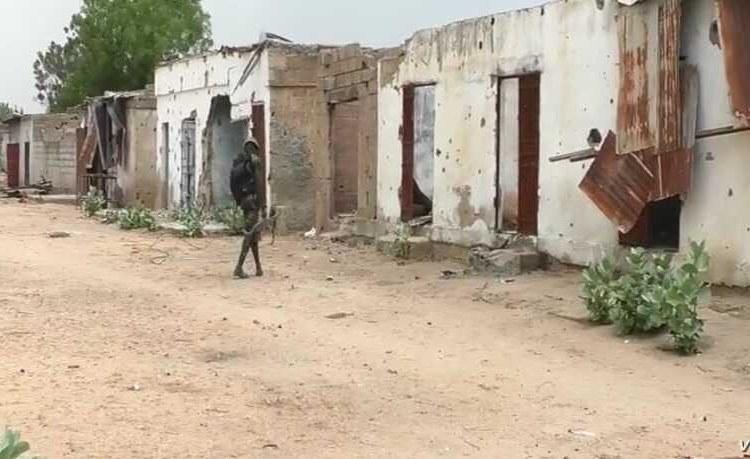
The Premium Times Nigeria account says the government has reportedly entered a secret ceasefire agreement with the Boko Haram faction led by Bakura Doro, and it describes that the truce has kept parts of northeastern Nigeria relatively calm for the past three months.
Premium Times reports that the ceasefire was expected to be extended, that it was linked to efforts to secure the release of over 300 civilians abducted in March from Ngoshe, and that the government described the release after spending about 95 days in captivity as an intelligence-led operation by a combined force of Operation Hadin Kai and the State Security Service (SSS).
Premium Times also says the report described the ceasefire as one of the most significant known attempts at dialogue between the Nigerian government and Boko Haram in recent years, while analysts warned that temporary truces can allow insurgent groups to regroup unless paired with broader peacebuilding efforts and accountability measures.
What’s at stake next
The ICIR reports that the alleged ceasefire does not include the Islamic State West Africa Province (ISWAP), which remains active and continues to launch attacks against military positions and civilian communities in the Lake Chad region, and it frames the truce as part of a broader attempt to reduce violence after more than 16 years of insurgency. It says sources familiar with the dialogue process told the publication that the office of the National Security Adviser and the Department of State Services have historically been involved in discreet contacts with insurgents, and it notes that a previous ceasefire known as a hudna in 2022/2023 also failed. The Al-Jazirah Net account says conflict scholar Malik Samuel told The network that “the government seems very eager to engage in dialogue with Boko Haram, perhaps realizing that military response alone is insufficient to solve the problem,” and it adds that Samuel warned the truce might be a temporary tactical gain rather than a step toward a sustainable peace.
Al-Jazirah Net also reports that sources feared Boko Haram could use the deal to reorganize and move equipment to mountainous areas, and it quotes a government security official saying: “We have previously negotiated more than one ceasefire, but maintaining them proved difficult.” Across the accounts, the release of 360 civilians from Ngoshe in June remains the central hinge for the alleged ceasefire, while Nigeria’s public posture continues to reject negotiations with legally proscribed terrorist organizations and instead highlights military expansion under President Bola Tinubu.