North Koreaupdated 1h ago3 min read
North Korea Displays Hwaseong-20 Missile In New Defense Museum, Tests Sea-Launched Missiles
This article is an automated aggregation of coverage from news outlets. Our editorials offer in-depth analysis curated by the NewsCord team.
Two types of strategic cruise missiles were test-fired from submarines in the East Sea. The tests followed a series of missile launches, signaling a stronger deterrence posture.

Arsenal on Display
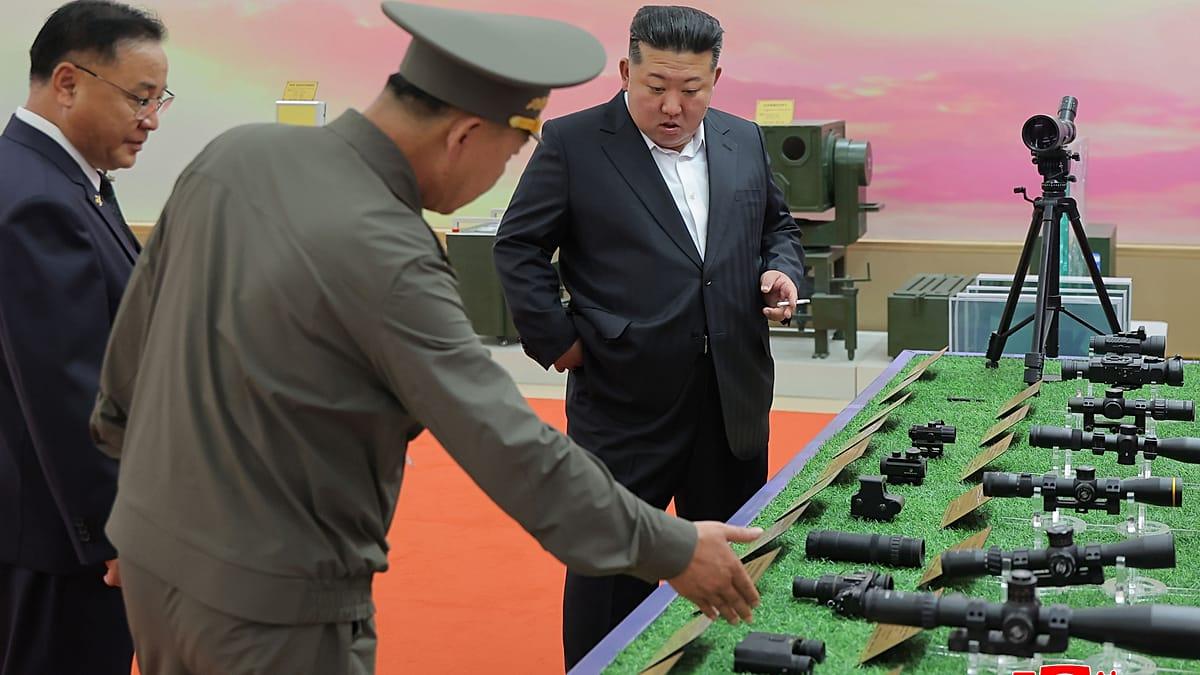
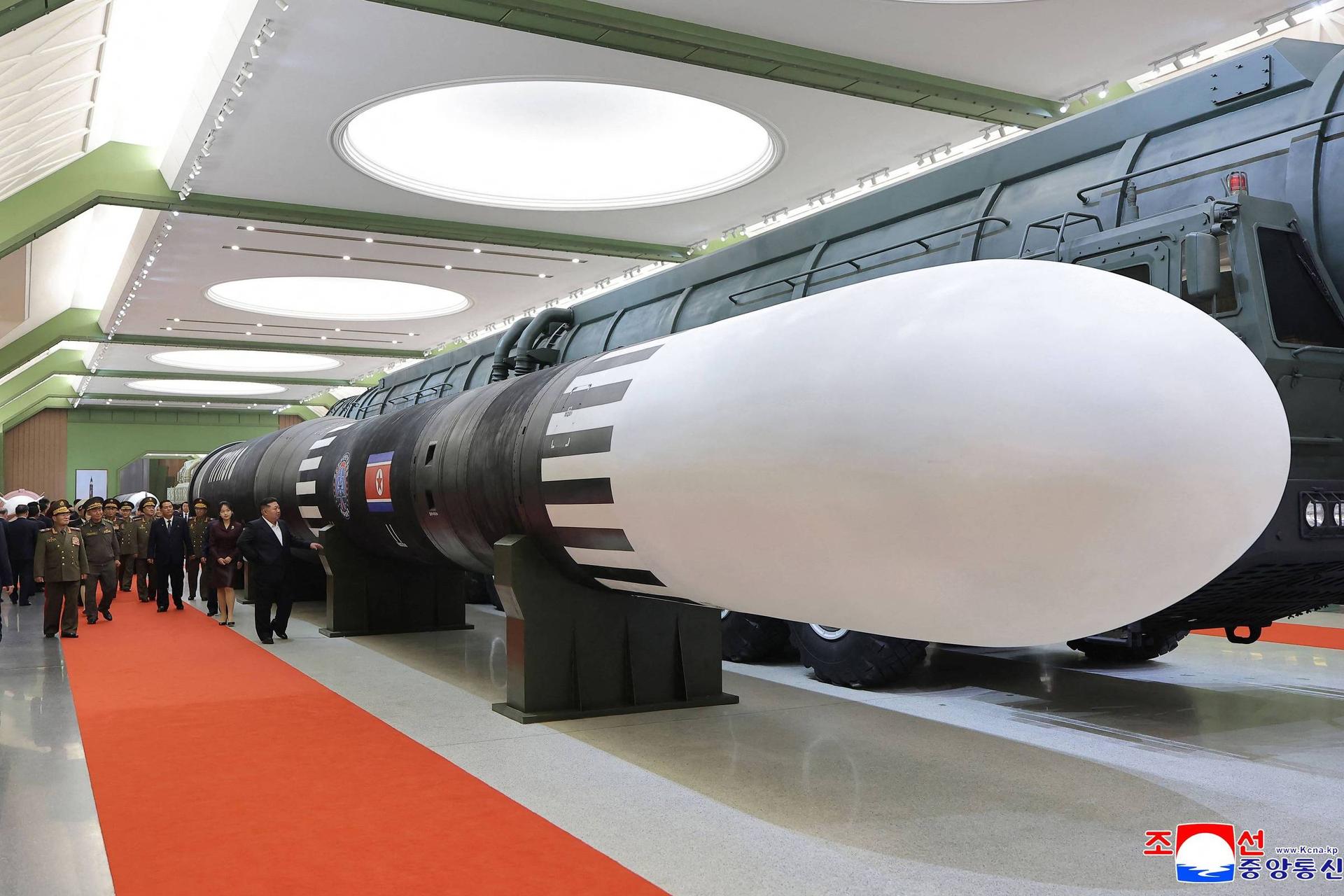
North Korea displayed its weapons in a new museum dedicated to defense, with the Hwaseong-20 missile presented as the main attraction alongside tanks and other missile variants. The museum was inaugurated as a way to show the world its military arsenal developed under Kim Jong-un, and it described the Hwaseong-20 as theoretically capable of reaching the United States. North Korea also intensified missile tests in recent days, including a launch of two missiles classified as hypersonic at the beginning of October and a ballistic missile launched from the sea on Monday (12) that the regime said could receive a nuclear warhead.
“The main attraction is the Hwaseong-20 missile, theoretically capable of reaching the United States.”
The Euronews account tied the latest test activity to strengthening nuclear deterrence, saying North Korea announced it had conducted a test launch of two types of strategic cruise missiles from the sea in the East Sea on Wednesday. The New York Post described North Korea’s underwater-launched missile tests as the first public weapons tests from the “Hero Kim Kun Ok” submarine unveiled in 2023, and it said the launches implied testing began before the vessel’s deployment.
Sea Launches and Disputes
North Korea’s Korean Central News Agency said the sea-launched cruise missile test took place on Wednesday in the East Sea, with the aim of verifying the readiness of underwater combat systems and assessing the Navy’s ability to carry out strategic missions. Satellite images released by Pyongyang showed a missile launching vertically from the surface of the sea, while another appeared to be leaving the water at a slanted angle, alongside images of a submarine in the sea. The New Indian Express said North Korea’s state media described the weapons as strategic and aimed at assessing readiness of underwater combat systems and demonstrating the reliability of its nuclear deterrent, while the South’s military did not immediately comment on the tests.
The New York Post said the South Korea’s Joint Chiefs of Staff detected the launches and concluded the missiles were launched from a submarine, with one fired from a vertical launch tube and the other from a torpedo tube. The New York Post also quoted Moon Keun-sik, a submarine expert who teaches at Seoul’s Hanyang University, saying the underwater-launched missiles are “formidable weapons that we don’t know when and where they would be fired,” while it described the tests as a bid to pressure the United States for greater concessions.
Tensions, Diplomacy, Next Steps
North Korea’s weapons demonstrations unfolded as tensions rose on the border, with the Folha de S.Paulo describing a North Korean mine injuring three South Korean soldiers and with Euronews linking the cruise missile test to a recent run of North Korean missile tests. Seoul reported that on October 12 North Korea fired several ballistic missiles toward the sea off its eastern coast, and it added that one missile traveled more than 900 kilometers before landing in the sea. The Al Ain account said Pyongyang tested two strategic cruise missiles launched from submarines on Wednesday amid rising tensions after landmines exploded along the heavily fortified border, and it quoted Pyongyang’s official media describing the tests as a readiness check for war deterrence measures.
Kim Yo Jong denied that any communication is taking place between Pyongyang and Washington, contradicting a remark Trump made in August. The increase in tests had two objectives, including showing strength amid tensions between the two Koreas and reinforcing North Korea’s presence ahead of the APEC summit scheduled for November in China, where leaders of China, South Korea, and the United States are expected to attend.