
Asia · 15 August, 2026 · 3 min read
Shinjiro Koizumi Visits Yasukuni Shrine as Sanae Takaichi Skips, China and South Korea Condemn
Shinjiro Koizumi visited Yasukuni Shrine on WWII surrender anniversary. Prime Minister Sanae Takaichi skipped the shrine visit.
AP stresses diplomatic motive.
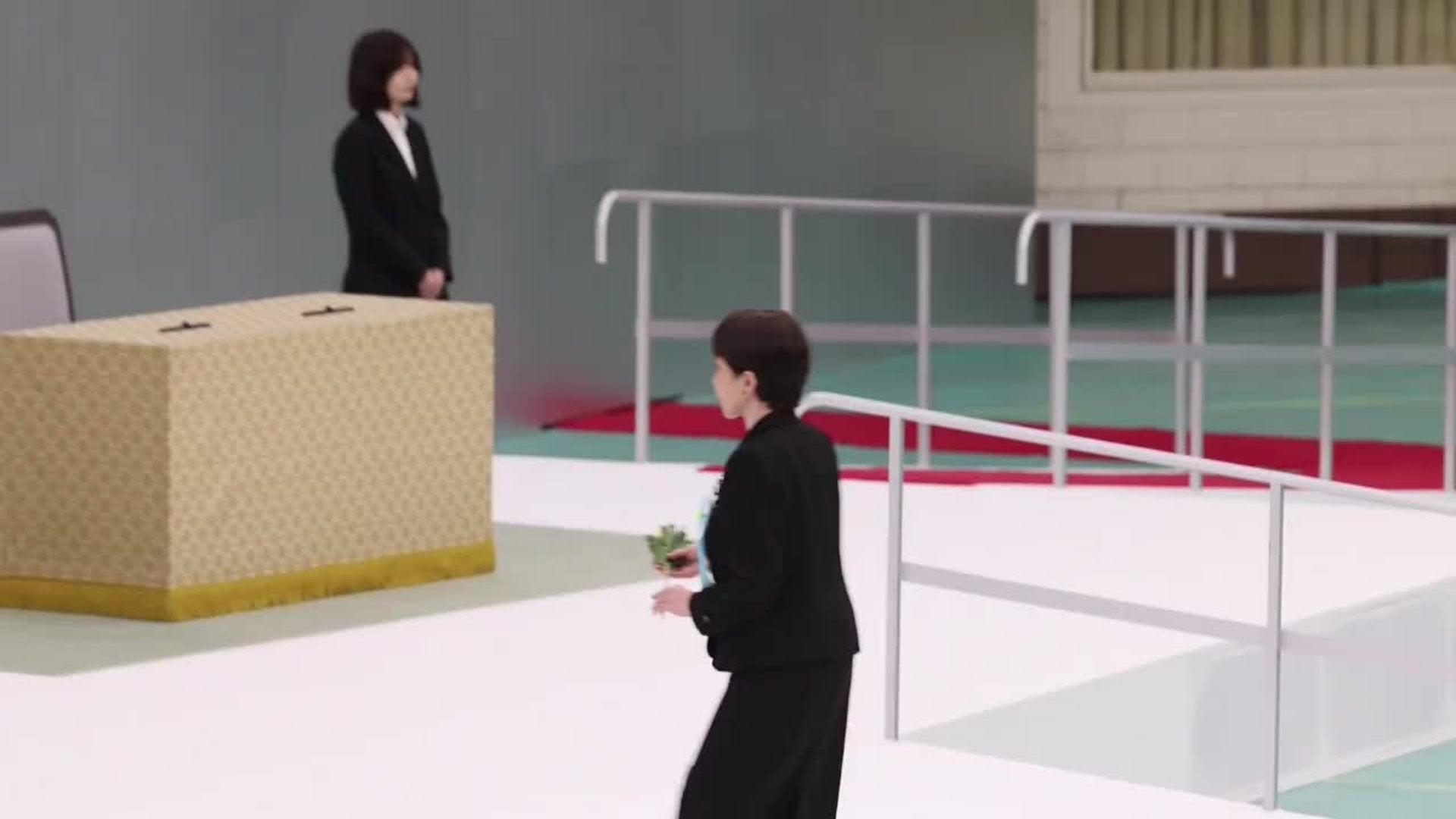
6 of 8 outlets skipped it: takaichi bowed at Budokan 'from a distance' toward Yasukuni.
12outlets compared
Same story, two versions
tap a side to read it in full
AP News
“apparently to prioritize diplomatic relations with China and South Korea”Read the original ↗
AP attributes motive; Reuters foregrounds foreign protests, not the prime minister’s rationale.
Koizumi at Yasukuni
Japanese Defense Minister Shinjiro Koizumi visited Yasukuni Shrine in Tokyo on Saturday, marking the 81st anniversary of Japan's surrender in World War Two, while Prime Minister Sanae Takaichi stayed away and sent a ritual offering. Reuters said Koizumi wore a dark suit and tie as he visited Yasukuni Shrine, and it reported that Kimi Onoda, minister for economic security, also visited, with local media images showing the trip. RThe visit drew rebukes from China and South Korea, which consider Yasukuni a symbol of Tokyo's wartime aggression, and Reuters quoted a foreign ministry spokesperson saying, "China strongly condemns the negative moves by the Japanese side concerning the Yasukuni Shrine."R
South Korea's Foreign Ministry expressed "deep regret" over what it called the "anachronistic" actions of Japanese leaders, urging Japan's leaders to demonstrate through actions "humble reflection and sincere remorse" for the past. Reuters also noted that among the 2.5 million war dead commemorated at Yasukuni are 14 wartime leaders convicted of the most serious war crimes, along with over 1,000 others found guilty by Allied tribunals after Japan's 1945 defeat.R

Takaichi offers, ministers go
AFP reported that Takaichi abstained from visiting Yasukuni Shrine, while Koizumi and three other Cabinet members went on the 81st anniversary, with the defense minister leaving the shrine without responding to reporters' questions. AFP said Koizumi later posted on Instagram that he visited to "offer his sincere condolences to the heroic spirits who sacrificed their precious lives for the nation," and it added that he reaffirmed Japan's postwar path as a peaceful nation. The same AFP account said China’s foreign ministry condemned the moves, quoting it as saying it had lodged "strong protests with the Japanese side," while it described South Korea as expressing regret and protesting.
AP reported that Takaichi avoided the shrine and did not mention her country's wartime past in Asia or show remorse over it in her address, even as she mourned victims of major devastation in Hiroshima, Nagasaki and Okinawa. AP also said China’s Foreign Ministry protested to Japan over the visits, saying Japanese politicians’ true intentions were to "change the verdict on the war criminals, cover up Japan’s war crimes, distort the historical facts and pave the way for accelerating militarization."
Diplomatic fallout and stakes
Beyond the shrine itself, the sources tied the Yasukuni controversy to broader regional tensions, with Reuters saying visits by senior Japanese officials gloss over Tokyo's wartime actions and damage diplomatic ties. AP reported that tensions between Japan and China escalated in November when Takaichi said a Chinese attack on Taiwan could constitute "a survival-threatening situation" for Japan requiring the use of force, and it said the comments enraged Beijing. In a separate account, Al Jazeera said Koizumi left Yasukuni without responding to reporters’ questions and later said on Instagram that he visited to "offer his sincere condolences to the heroic spirits who sacrificed their precious lives for the nation," while it also described China’s foreign ministry as saying it "strongly condemns" the minister’s visit.
The Al Jazeera report also said South Korea’s Ministry of Foreign Affairs expressed "deep regret" and urged Japan’s leaders to face history and demonstrate through actions "humble reflection and sincere remorse" for the past. Reuters added that Japanese officials have explained past visits as being in their personal capacity to honour those who died in the nation's wars, while it noted the last sitting prime minister to visit on the anniversary was Koizumi's father, Junichiro Koizumi, in 2006.R