Asia · 15 August, 2026 · 3 min read
Afghanistan Marks Five Years Under Taliban Rule as Girls’ Education Remains Banned
Five years of Taliban rule with severe restrictions on women and girls' rights. Girls' education remains banned beyond primary level, prompting international humanitarian warnings.
Overall judgement of Taliban rule: stabilisation vs “endless war/attrition”.
9 of 11 outlets skipped it: taliban internal rift: Badri forces sent to disarm “unwanted” elements.
50outlets compared
Same story, two versions
tap a side to read it in full
Afghanistan International
“Afghanistan has entered into a ‘new endless war of attrition.’”Read the original ↗
Al Jazeera praises security; Afghanistan International calls an “endless war of attrition”.
Anniversary, safer streets
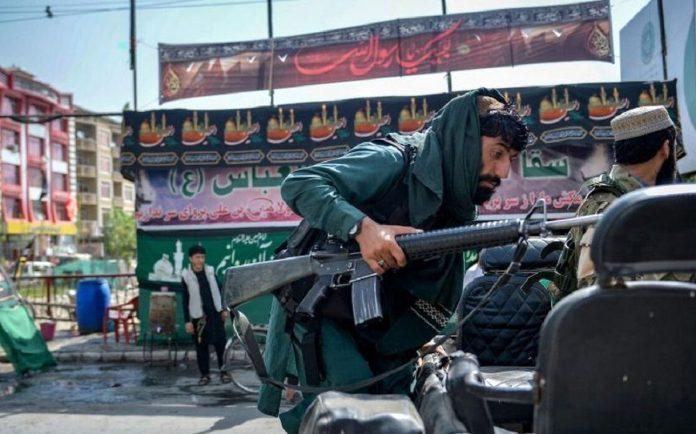
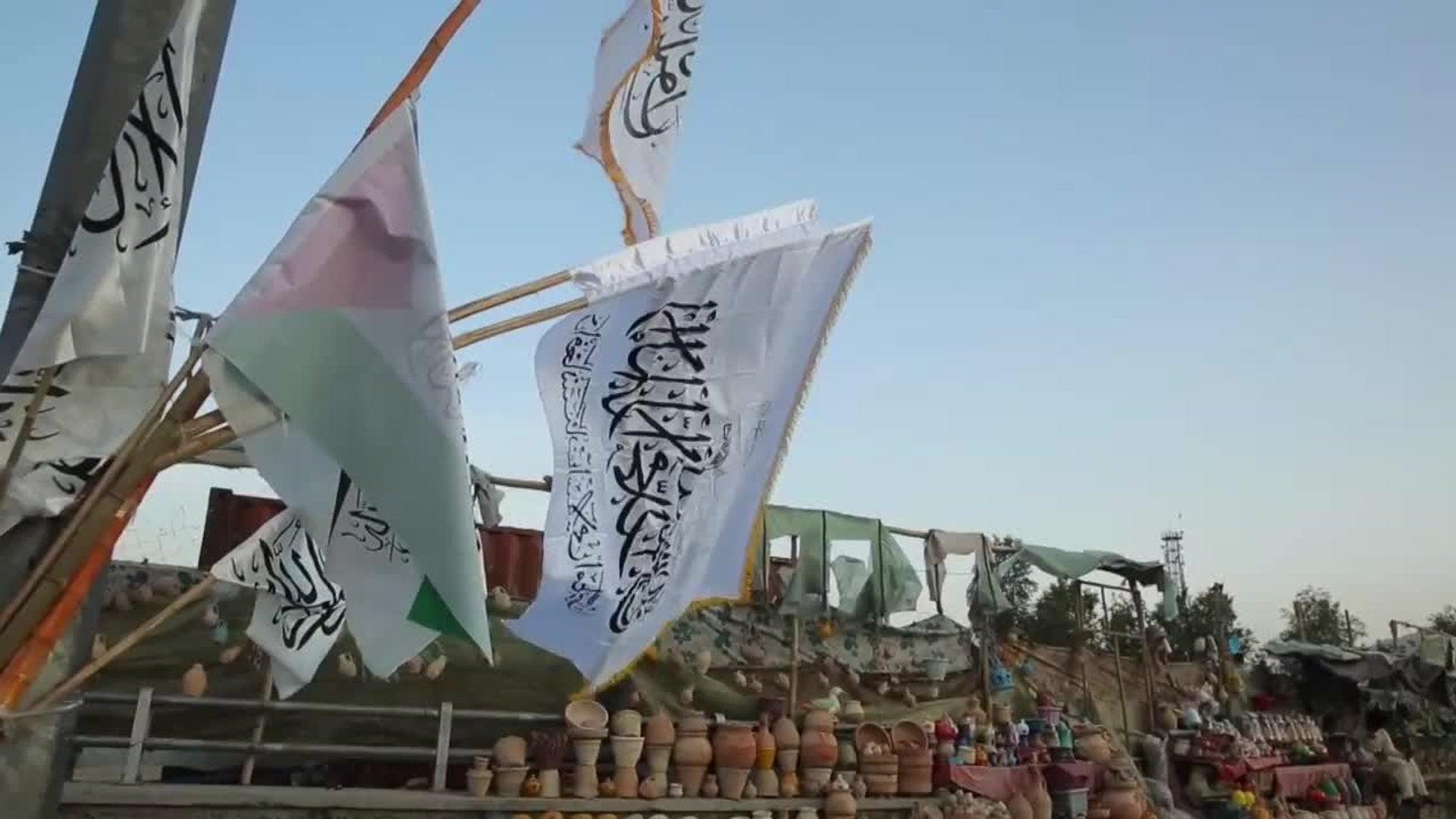
Afghanistan marked five years since the Taliban regained control of the country on Aug. 15, 2021, with some Kabul residents telling the Associated Press that they feel safer after decades of conflict but urging the Taliban to focus on jobs and expanding access to schools where girls above the age of 12 are banned from education.
Mohammad Qasim, 30, said, "Thank God, the past five years have passed in safety," and added that his "wish and hope from the government is to create job opportunities for the youth."
The Associated Press reported that the Taliban imposed an indefinite ban on girls’ education beyond the sixth grade and later banned higher education for women until "further notice," while also restricting women’s public participation.
The Associated Press also quoted UNAMA saying, "the restrictions on women and girls impede Afghanistan’s recovery and its reintegration with the international community," even as it acknowledged that a reduction in conflict brought tangible benefits for many Afghans.
In parallel, ABC reported that Afghanistan avoided the financial collapse many anticipated after the return of the Taliban, with the economy growing 4.8% in 2025 according to the Banco Mundial, while the World Bank calculated that the return of about 3.7 million people contributed to a 5.6% fall of GDP per cápita.
UN warns of rights crisis
While Taliban officials and delegates gathered at Afghanistan’s traditional Loya Jirga assembly hall to celebrate the fifth anniversary, a top United Nations official warned that the country is facing a grave human rights crisis, especially for women and girls. Richard Bennett, the U.N. special rapporteur on the human rights situation in Afghanistan, said in a video message, "it’s questionable whether there’s real peace, and the human rights situation has steadily deteriorated," and he added that the system amounts to the crime against humanity of gender persecution. The Associated Press reported that Taliban spokesperson Zabihullah Mujahid has repeatedly said the administration is working to establish conditions for girls and women to attend classrooms or university campuses in line with Islamic Sharia laws, but the restrictions remain in force.
Al Jazeera reported that the United Nations warned that funding issues mean more than half of women’s organisations still operating in Afghanistan could cease operations within the next year, with Susan Ferguson appealing to donor countries not to cut funding for women’s programmes. AAl Jazeera said more than half of 74 women’s organisations surveyed in April are likely to have to suspend operations or close in the next year due to funding problems, and it cited the UN’s $1.7bn humanitarian appeal for Afghanistan as only 25 percent funded.A

Economic strain and social control
Beyond the anniversary celebrations, the Associated Press described how Taliban restrictions have barred women from education and public life, while BBC reported that Afghan women say the loss of work and identity has followed the regime change after Aug. 15, 2021.
BBC quoted Shkhiba, 18, saying, "That was the worst day of my life and the most painful," and she added that every year when the date comes she feels as if an old wound is opened again.
BBC also quoted Zohal, a 32-year-old former journalist, saying, "The greatest pain for me is not just that I lost my job, but a part of my identity, my independence, and my future hope was taken away."
In a separate account, Cadena SER said, "Women cannot leave the house, they cannot sing, they cannot work," attributing the line to Khadija Amin, who described how women cannot go out on the street without a male family member and cannot study after the age of 12.
Cadena SER also reported that Afghanistan is the only country in the world that does not allow women to study after the age of 12, and it quoted Afghan educator and humanitarian Shabana Basij-Rasikh saying the Taliban had promised to reopen schools in March 2022 but girls had to turn around and go home on the first day.