Finance24 August, 20263 min read
Ofgem Expected To Raise October Price Cap 4% For England, Scotland And Wales Households
This article is an automated aggregation of coverage from news outlets. Our editorials offer in-depth analysis curated by the NewsCord team.
Ofgem expected to raise October price cap by about 4% for GB households Typical annual bills rise to about £1,941 under the cap

Cap set for Oct
Energy regulator Ofgem is expected to announce a 4% increase in its price cap for tens of millions of households from October 1, taking typical bills to £1,941 a year, according to AOL.co.uk. The BBC said the cap to be announced on Wednesday would reflect a 4% rise compared with the current cap and would affect those on variable tariffs in England, Scotland and Wales from October until the end of December. The BBC also reported that Ofgem reduced what it believes to be a "typical" level of energy use in July, setting its new estimate at 9,500 kWh of gas and 2,500 kWh of electricity a year.
Cornwall Insight forecast a household using a typical amount of gas and electricity paid through direct debit would pay £1,729 a year from October, up from £1,663 between July and September, the BBC said. The BBC added that the price cap sets a maximum price for each unit of gas and electricity, not the total bill, so a household's final bill depends on what they use.

Debt and household strain
Energy UK warned that households in Great Britain could owe their energy suppliers as much as £7bn by the end of the year, after higher gas and electricity prices forecast for the winter kick in, the Guardian reported. The Guardian said domestic energy debt and arrears climbed by about £500m over the past year to a record £6bn at the end of June, with the amount of energy debt left unpaid for longer than 30 days likely to accelerate to £7bn by the end of the year. AOL.co.uk reported that over 10 million households—37% of Brits—are worried about how they will afford their energy bills this winter, and that 3.5 million households are currently in energy debt.
The BBC said Energy UK estimates total debt to have collectively risen to £6bn, with an expectation of it to increase to about £7bn by the end of the year. The BBC also reported that the average billpayer in debt, without a payment plan, owed £3,500, as it described calls for a flexible discounted tariff for those most in need.
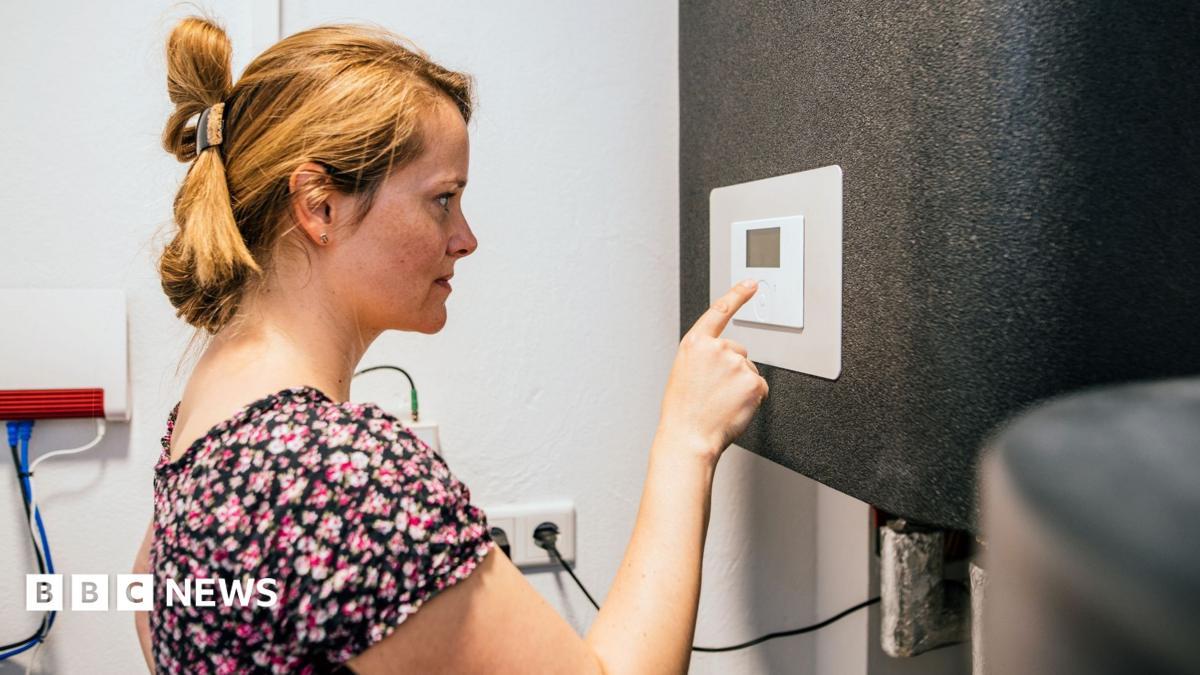
Policy fights and next steps
The government says VAT is being cut from electricity bills, and the BBC reported that the price cap is expected to rise for about 33 million households even as VAT is cut. A Government spokesman told Chronicle Live that ministers are "cutting VAT on energy bills" and ensuring around six million households get the £150 warm home discount this winter, while also making millions of homes cheaper to run through warm homes plan. Trade association Energy UK said more targeted support is still needed, with chief executive Dhara Vyas warning that instead of "stop-gap, ad hoc or emergency measures" there should be a better, targeted and more permanent way to give people confidence they will get help.
The Guardian quoted Vyas saying "A social discount will address the fuel poverty gap and provide the right amount of support to the right households at the right time," as it linked the forecast cap rise to a fuel-poverty gap. The BBC said the Trades Union Congress has called for a windfall tax on bank profits to be used to reduce energy bills, while StepChange warned that without urgent intervention a rise in the debt figure could bring more people seeking help.