Israeli Politicsupdated 1h ago2 min read
Opposition Disarray Helps Benjamin Netanyahu Ahead of Israel’s October 27 Election
This article is an automated aggregation of coverage from news outlets. Our editorials offer in-depth analysis curated by the NewsCord team.
Opposition discord over naming a single prime minister candidate weakens challenge to Netanyahu. Opposition claims unity despite infighting and lack of clear candidate for PM.
7 outlets told this the same way.
Election, coalition math
Israel’s October 27 election will choose a Knesset of 120 members, and the next government will depend on alliances that can gather at least 61 seats.
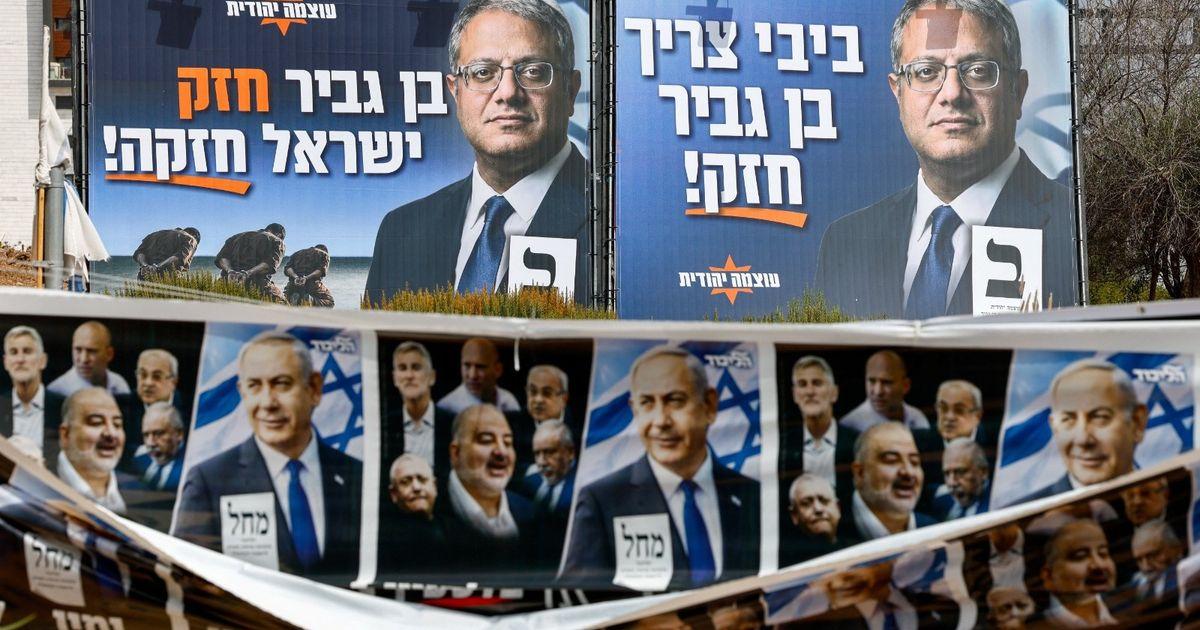
Benjamin Netanyahu is seeking to stay in power as the country remains mired in the longest war in its history, and opposition parties say they are united in their effort to topple him but cannot agree on who should replace him.

The opposition seeks to displace the incumbents, but forming the government will depend on alliances necessary to gather at least 61 of the 120 seats in the Knesset.
Al-Monitor says opposition parties have shown reluctance to name a single candidate for prime minister ahead of the Oct. 27 election, and that disarray is working in Netanyahu’s favor.
Al-Monitor frames the overriding question as whether Israelis will reelect Netanyahu, Israel’s longest-serving premier, after the Oct. 7, 2023 Hamas-led attack.
Trump backs Netanyahu
Donald Trump publicly expressed support for Benjamin Netanyahu on October 18, and CR Hoy says Trump described the prime minister as a “great warrior prime minister” and an important ally in the war against Iran.
Vice President JD Vance ruled out intervening in the elections, saying he is neither for nor against his reelection.
The United States could reconsider future actions against the Iranian regime if Netanyahu loses the elections, Diario Extra says.
Gadi Eisenkot recalled that only Israeli citizens will decide who will be their next prime minister, and Eisenkot argued the United States should maintain relations with any administration democratically elected.
Al-Monitor describes Netanyahu’s political advantage as opposition disarray ahead of the Oct. 27 vote, with the overriding question remaining whether Israelis will reelect Netanyahu.
Who holds the balance
El Cronista says polls a week before the October 27 elections show neither bloc reaching the 61-seat majority without Arab parties, and it reports that Arab parties rise from 13 to 14 in Channel 12’s poll. The key to the majority lies with the Arab parties, who total between 13 and 15 seats across the four polls, split between the Joint List and Ra’am. Netanyahu and Likud turned that possibility into a campaign axis captured by the slogan: “Right or Palestine.”
LatFem says the Central Electoral Committee approved excluding both lists and candidates Ofer Cassif and Sami Abu Shehadeh on September 23, and it says the Supreme Court reversed the exclusions of the lists and of Cassif on October 2. LatFem also states that the competition is organized around the block led by Likud, together with ultra-nationalist and religious allies, and an opposition that includes Gadi Eisenkot, Naftali Bennett, Yair Lapid, Avigdor Liberman, and Yair Golan.