Full story
Hunger strike, lips sewn
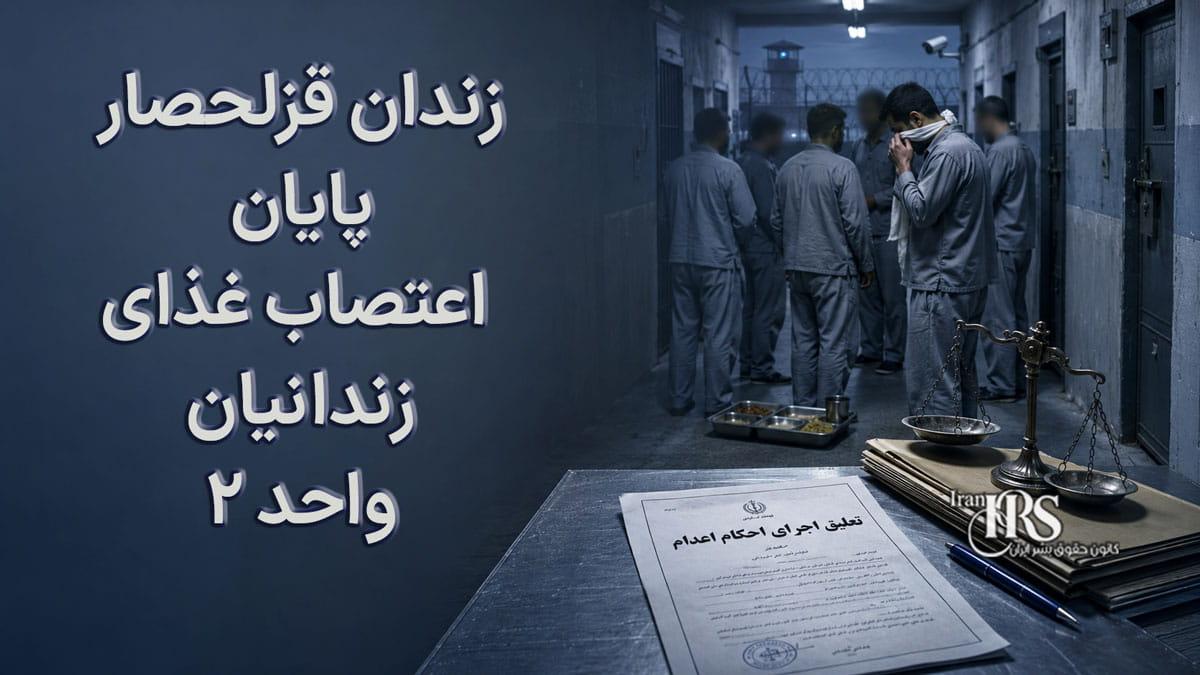
Over 1,500 death row inmates in Iran’s Ghezel Hesar prison area have been on hunger strike for two weeks, with some prisoners sewing their mouths shut as executions for charges linked to anti-government protests and drug offenses draw closer.
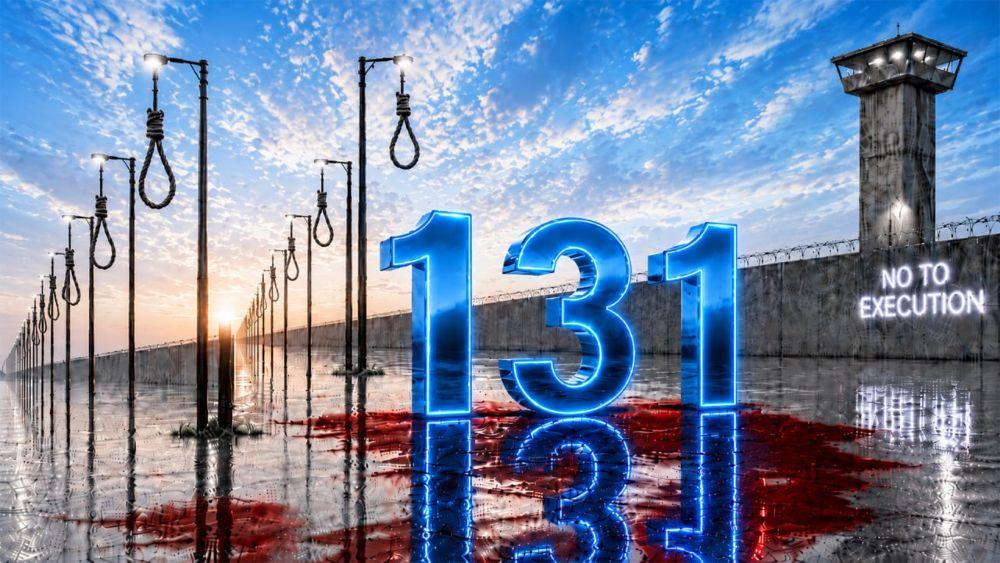
“Campaign 'Tuesdays No to Executions' in its 131st week of activity announced that prisoners who are members of this campaign, on Tuesday, 6 Mordad 1405 (approximately July 28, 2026), in 59 prisons across the country, have gone on hunger strike”
The hunger strike began on July 13 after six inmates sentenced to death for drug-related offenses were transferred to solitary confinement ahead of possible executions, and footage released by human rights groups shows prisoners holding protest signs reading “No More Executions” and chanting “Be our voice!”
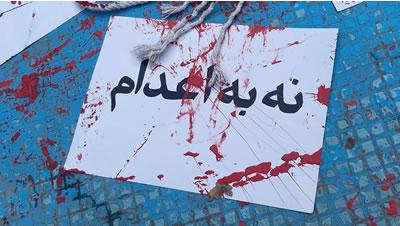
In a statement seen by AFP, prisoners said, “Where else in the world is a human life taken for a first mistake?” while The Guardian reported that prison guards “have not responded to their strike and have refused medical treatment for some inmates.”
The Times of Israel reported that the death row inmates are slated to be executed for charges linked to this year’s wave of anti-government protests, as well as various drug offenses, and that the protest began in the second unit of Qezel Hesar prison in Karaj.
Officials, videos, and claims
The Guardian described graphic videos shared by rights groups in exile, including one where a prisoner says he is sewing his lips shut because, six days into the hunger strike, no prison official has responded to the protest.
In the same reporting, a prisoner is shown using a needle and thread to stitch the man’s lips together, while another video shows a prisoner calling for urgent medical help and saying, “The guards will not open the door so we can take them to the prison infirmary,”.
Amnesty International condemned the hangings as an “escalation,” saying it “following the arbitrary execution of at least three other protesters last week, marks a further escalation in the authorities’ use of the death penalty to quash dissent.”
The Times of Israel also quoted Iran Human Rights (IHR) director Mahmood Amiry-Moghaddam saying, “By staging this protest, the prisoners in Ghezel Hesar are taking an extraordinary risk,” and warned that authorities could execute them “at any moment.”
What’s at stake next
The “No to Execution Tuesdays” campaign said its hunger strike effort reached its 131st consecutive week on Tuesday, July 28, 2026, expanding to 59 facilities across Iran as prisoners protest a “surging wave of state executions and systemic repression.”
“Inmates in Unit 2 of Ghezel Hesar Prison in Karaj continued their hunger strike and sit-in for the fifteenth consecutive day on Monday, July 27, to protest death sentences”
The campaign statement said that since the beginning of the current Iranian year (March 2026), at least 303 people have been executed, and it warned of a fresh wave of capital sentences targeting political dissidents including Issa Chari, Amir-Hassan Akbari-Monfared, Sepehr Amirzadeh, Akbar Arabzadeh, and Mehdi Arabzadeh.
In Karaj, the strike by prisoners of Unit 2 at Qezel Hesar Prison began on Tir 22 (July 13, 2026) after the transfer of six death-row inmates in drug-related cases to solitary confinement, and it ended on Tuesday, Mordad 6 (July 28, 2026) after officials promised to suspend executions in drug-related cases until requests are reviewed.
The campaign also said it “stands alongside the prisoners of Unit 2, supports their rightful demands and strike,” while Iran Freedom and other reports tied the protests to demands for an immediate halt to executions and abolition of the death penalty across prisons including Evin Prison, Qarchak Prison, and Shiraz’s Nezam Prison.