Iran02 September, 20263 min read
Pakistan Holds Talks With United States and Iran as Trump Warns Against Retaliation
This article is an automated aggregation of coverage from news outlets. Our editorials offer in-depth analysis curated by the NewsCord team.
Pakistan says it is negotiating with Washington and Tehran to end the war. CENTCOM struck IRGC targets inside Iran; Iran reported retaliatory missile strikes on bases.
12 outlets told this the same way.
Talks Amid Strikes
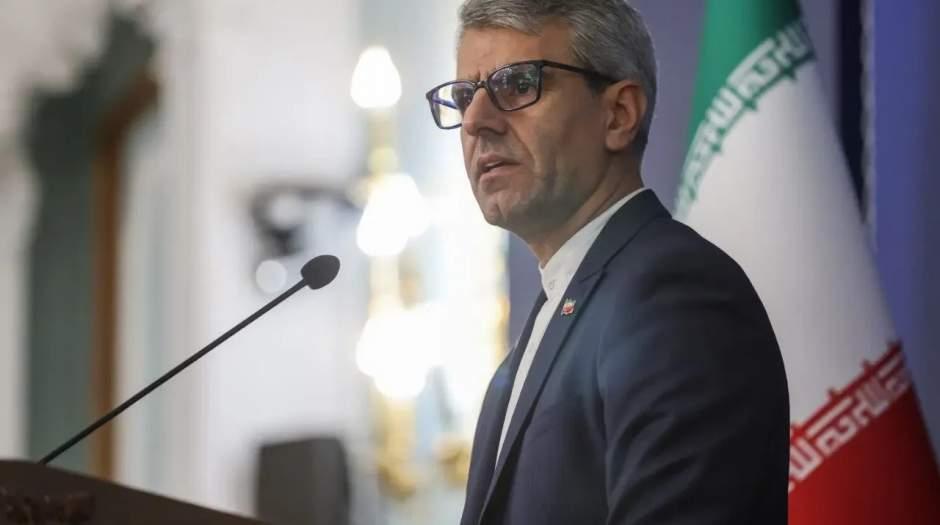
Pakistan’s foreign ministry said it is engaging in talks with the United States and Iran to end the war between them, with Tahir Andrabi telling reporters that the two sides will "return to the negotiating table".
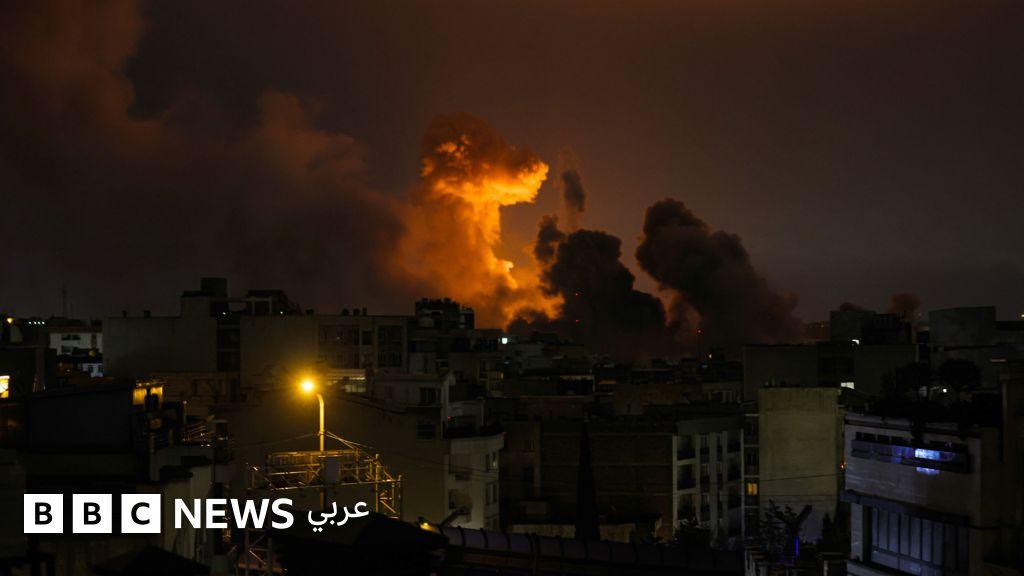
Andrabi said the visit of Pakistani Army Chief Asim Munir to Tehran last month created a "great momentum" on the issue of the Strait of Hormuz, as the U.S. Central Command (CENTCOM) announced a second wave of strikes against Iran on Tuesday targeting Iranian military sites near the Strait of Hormuz.
The U.S. President Donald Trump warned Iran on Tuesday not to retaliate to the "highly justified" attack, saying it would face further "stronger and higher level" strikes if it retaliates, and adding that the "largest attack" is still to come.
In separate remarks to FOX NEWS, Trump said the United States targeted radar systems that Tehran was trying to rebuild, adding, "We waited until they were nearly finished, then we struck them."
American officials told Axios that Tuesday’s strikes hit about 100 targets, including air defense sites of the IRGC, radar systems, mine-laying capabilities, communications sites, and platforms for launching anti-ship cruise missiles and attack drones.
Wedding Attack and Vows
Iranian officials and media framed the U.S. strike on a wedding celebration in Sirik County, Hormozgan province as a war crime, with the Yemen National Human Rights Organization calling it a "full-fledged war crime" and an outright violation of international humanitarian law and the four Geneva Conventions. Tasnim News Agency reported that Ahmad Nafisi, Deputy Governor for Political, Security, and Social Affairs of Hormozgan Province, said "so far, 4 people have been martyred and 50 injured" and that 15 ambulances were dispatched to the scene. In response, Iranian Foreign Ministry spokesman Ismail Baghaei wrote that "Iran will respond decisively to these savage crimes," describing a U.S. strike on a residential house in Goostak, Sirik, on the evening of Tuesday, 10 Shahrivar, that left more than 50 people martyred and injured.
Baghaei said the brutality could not be separated from attacks previously in Minab, Lamerd, Qeshm, and other places, and he warned that "More dangerous than the bomb itself is the normalization of bombing". BBC reported that the Iranian Red Crescent Society announced four people, including a child, were killed and more than fifty others injured when a U.S. airstrike hit a home hosting a wedding in Koohestak, in Sirik County, Hormozgan Province.

Escalation and Regional Fallout
The BBC reported that Jordan’s air defenses intercepted ten ballistic missiles fired from Iran, while three other missiles fell in remote areas, and it said the army did not report any casualties or confirm any damage to the U.S. base on Aqaba Bay.
In Kuwait, the BBC said the army said its defenses were repelling Iranian attacks with missiles and drones, while in Bahrain air-raid sirens were heard early on Wednesday according to Reuters reporters.
The IRGC said its forces destroyed the U.S. Army’s maintenance center and stockpiles of technical equipment in Erbil and the U.S. balloon surveillance guidance system, and it also claimed that fuel tanks at the base were set on fire and "a number of aggressors" were killed.
Shafaqna also reported that the IRGC said two oil tankers that violated norms were blown up and stopped by hitting mines, and it added that the IRGC warned shipping companies that handing vessels to the enemy would bring additional sanctions.
In a separate thread of consequences, الجزيرة نت reported that U.S. President Donald Trump summoned officials from Marathon Petroleum, Phillips 66, and Chevron, along with Delek US Holdings, BPF Energy, and Valero Energy, to discuss ways to boost refining capacity and lower fuel prices after repercussions of the war with Iran.