Pakistan · 05 August, 2026 · 3 min read
Pakistan Requires NOC For Foreign Journalists Traveling Beyond Islamabad, Lahore, Karachi
Foreign journalists must register, obtain accreditation, and seek permission to report outside three cities. Three designated cities—Islamabad, Karachi, Lahore—are reporting hubs; travel outside requires an NOC.
11 outlets, one story, no spin found.
9 of 11 outlets skipped it: abbottabad and Murree can be covered with NOC expected in three days.
11outlets compared
NOC for most travel
Pakistan introduced the Foreign Media Facilitation Guidelines, 2026, requiring foreign journalists to secure a no-objection certificate (NOC) before travelling outside Islamabad, Lahore and Karachi for news reporting.
“making it mandatory for journalists working for international media organisations to obtain a No Objection Certificate (NOC) before travelling outside Islamabad, Lahore and Karachi”
The rules require foreign journalists, media professionals and other personnel already registered or accredited with Pakistan’s Ministry of Information and Broadcasting’s External Publicity (EP) Wing to obtain the mandatory NOC from the EP Wing before travelling to any other city to produce news reports, documentaries, films, videos or social media content for official purposes.
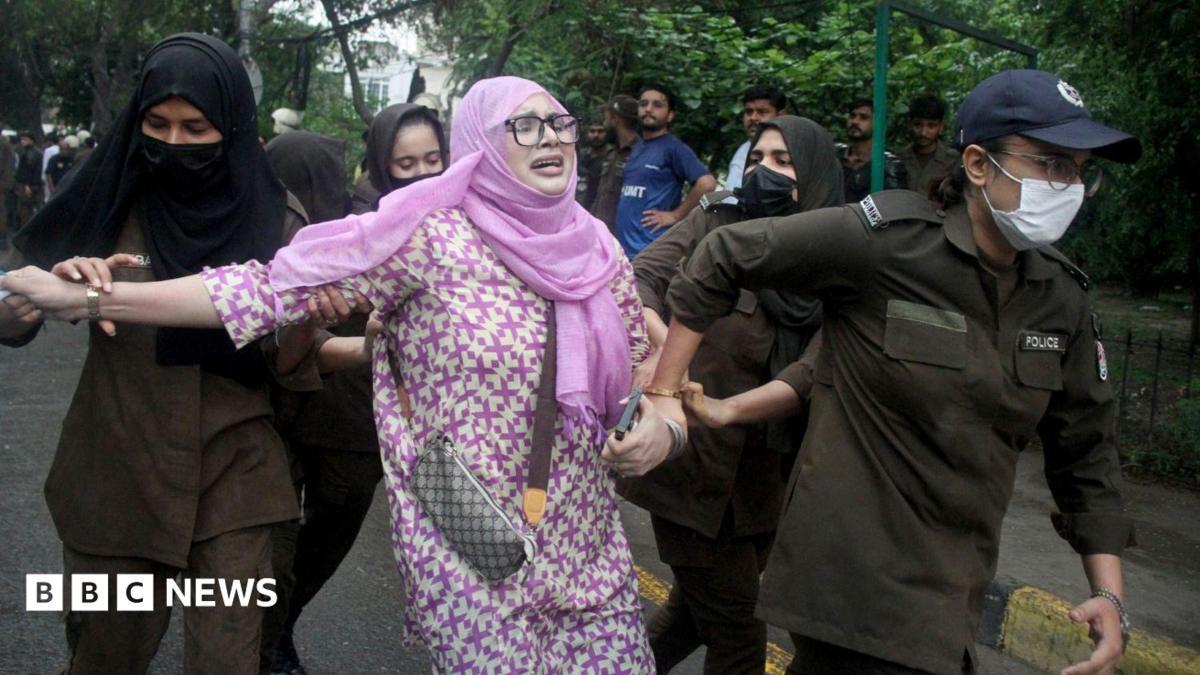
The guidelines exempt Islamabad, Lahore and Karachi from the NOC requirement, while for leisure travel to Abbottabad and Murree journalists may obtain an NOC from the EP Wing upon request, with approvals expected within three working days.
Pakistan’s Ministry of Information and Broadcasting also said registered journalists would receive QR-enabled PVC accreditation cards, with registration cards expected within seven working days and accreditation cards taking four to six weeks, according to Dawn.
The framework expands state oversight beyond foreign correspondents to include foreign media organisations and personnel, and it applies to print, electronic and digital media organisations, including web-based platforms and social media outlets.
Backlash and legal doubts
Pakistan’s Foreign Media Facilitation Guidelines, 2026 drew criticism from journalist organisations and rights groups, with the Human Rights Commission of Pakistan warning the rules could restrict independent journalism.
The HRCP said the guidelines would “institutionalise bureaucratic control over news gathering and risk deterring independent reporting on matters of public interest,” and it added that the mandate for journalists to obtain state approval to report from across Pakistan “sends a chilling message: that critical reporting is unwelcome.”
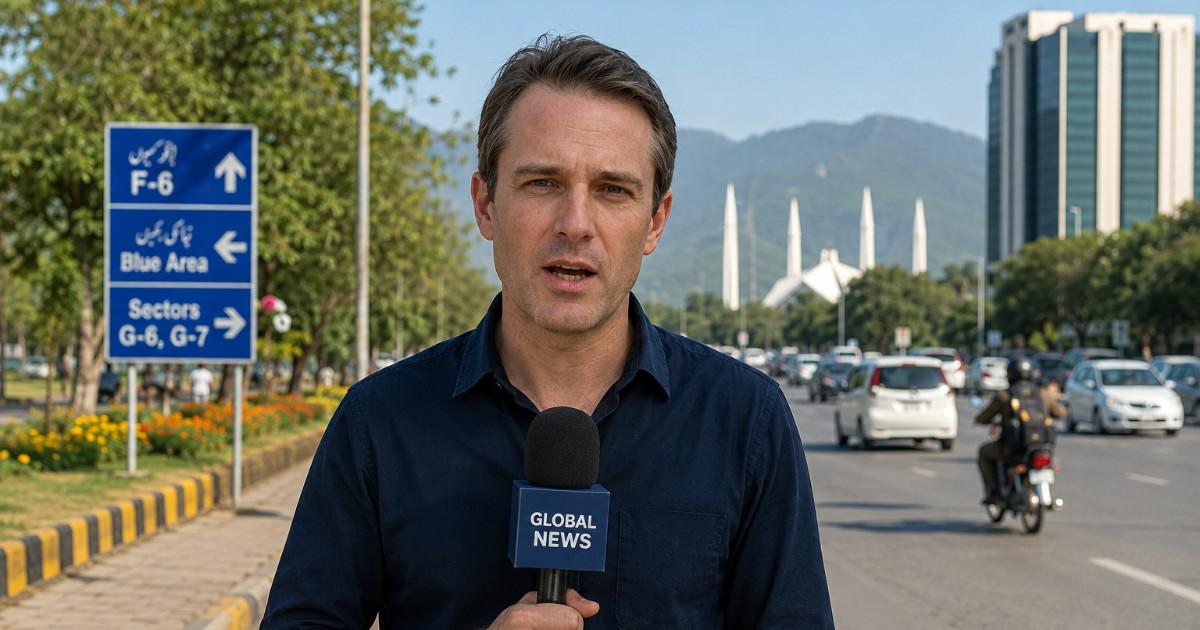
A political commentator, Mustafa Nawaz Khokhar, said the guidelines were “tantamount to choking international media in an increasingly shrinking space,” while the BBC reported the government said the rules were not to restrict media but to “provide an administrative mechanism” to verify media, facilitate access and co-ordinate reporting requirements.
The BBC also reported that the new rules do not set out how long gaining permission, known as a No Objection Certificate or NOC, can take, and it said foreign journalists can wait months for permissions or never receive an answer.
A Supreme Court lawyer, Salhuddin Ahmed, told the BBC there is “no statutory framework to support the guidelines,” adding that “These 'guidelines' are merely an executive order and lack any legal backing from statute.”
PoK access and enforcement
The restrictions arrived as Pakistan faced heightened scrutiny over media access in Pakistan-occupied Jammu and Kashmir, with the BBC describing how the External Publicity wing sent a WhatsApp message telling anyone in Pakistan-administered Kashmir (PAK) to “return back IMMEDIATELY” and apply for an NOC.
“return back IMMEDIATELY" and apply for an NOC”
The BBC said the area had seen two months of violent clashes between protesters and security officials, with dozens killed, and it linked the ministry’s message to reports by international news outlets including the BBC from inside PAK.
Arab News reported that the vote in Azad Jammu and Kashmir was taking place in phases until Aug. 10, and it said the EP Wing instructed journalists working for foreign media to leave AJK immediately and obtain an NOC before returning to report there.
Arab News also quoted Iqbal Khattak, executive director of Freedom Network and Pakistan representative of Reporters Without Borders (RSF), saying, “These guidelines may be called regulations but they appear to restrict movement of journalists,” and it added that he criticized provisions that could suspend or withdraw accreditation on grounds including “national security, public order or state ideology.”
The BBC noted that foreign media outlets often rely on Pakistani nationals for on-the-ground verification, and it said two Pakistani journalists told the BBC they had been warned to stay away from the topic by their editors.