Iranupdated 1h ago2 min read
Iran’s Mohsen Rezaei Tells Asim Munir Enriched Uranium Will Stay In Iran
This article is an automated aggregation of coverage from news outlets. Our editorials offer in-depth analysis curated by the NewsCord team.
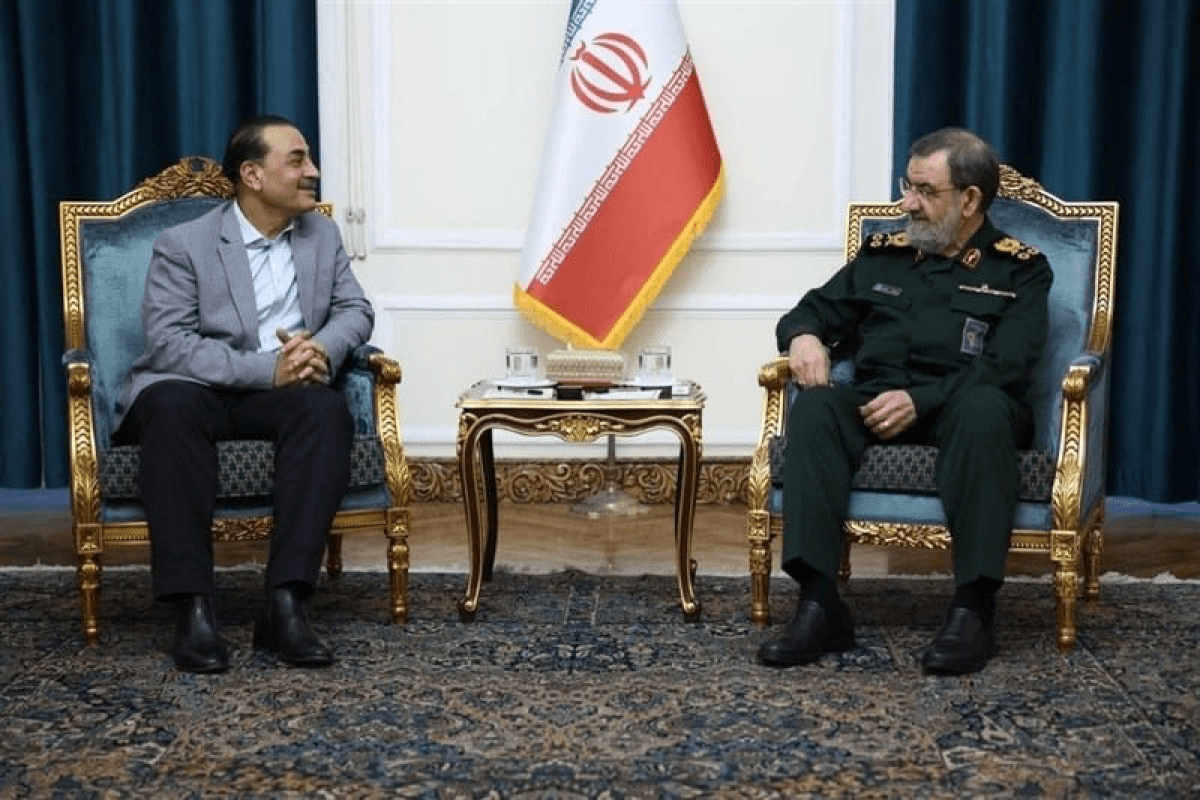
Iran will not allow any enriched nuclear material to leave the country. Rezaei calls the stockpile a major national asset for domestic use.
9 outlets told this the same way.
Outlets did split on Iran’s Pezeshkian Tells Pakistan’s Asim Munir US Must Lift Sanctions Before Talks →
PressTV was read line by line by the Watchdog: 0.0. See the score →
Rezaei rejects uranium transfer
Iran’s security chief Mohsen Rezaei told Pakistan’s army chief Asim Munir in Tehran that Tehran would not allow nuclear material to leave the country, saying, "Not even a tiny bit of enriched nuclear material will leave Iran; such materials constitute a major asset and national wealth for the Iranian people, intended for use within the country." Rezaei said there would be no negotiations until Washington took steps to build trust, beginning with fulfilling Iran’s conditions, and he framed the stance as a unified position among Iran’s officials and public.
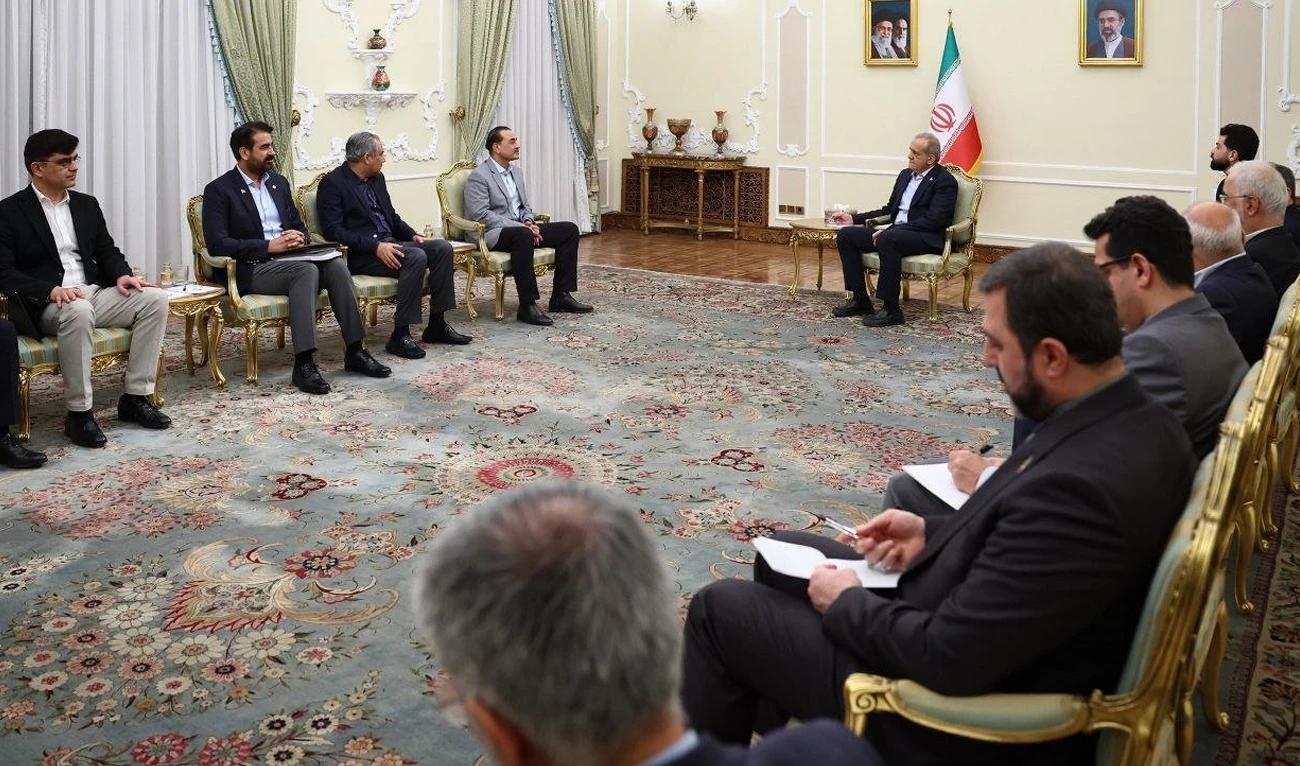
Iran’s President Masoud Pezeshkian also rejected negotiations under U.S. threats during his meeting with Munir, telling him, "The Americans must first remove the threats and sanctions; only then can we engage in dialogue." Iran’s chief negotiator and parliament speaker Mohammad Bagher Ghalibaf echoed the same approach, saying, "We have nothing new to say; America cannot gain Iran's trust unless it fulfils the seven conditions," and he added that "threats and military manoeuvres cannot influence Iran's strategic decisions".
Conditions before talks
Iran’s security chief Mohsen Rezaei told Munir that negotiations with Washington would not resume until the United States took steps to build trust and met Tehran’s conditions, and he described the enriched stockpile as intended for domestic use. Rezaei said, "There will be no negotiations until America takes steps to build trust — a process that must begin with the fulfilment of Iran's conditions," and he reiterated the same position in reporting that emphasized "Not even a tiny bit of enriched nuclear material will leave Iran."
Iran’s President Masoud Pezeshkian told Munir that pressures, threats, and sanctions had to be removed before any negotiations could take place, saying, "For any negotiations to take place, pressures, threats, and sanctions must first be removed." Iran’s foreign ministry spokesman Esmaeil Baqaei said discussions with Munir would cover negotiations with Washington while emphasizing the visit’s bilateral focus, and he described the talks as mainly focused on strengthening interactions and cooperation.
Diplomacy, border reopening
Pakistan’s army chief Asim Munir met Iranian President Masoud Pezeshkian and Iranian foreign minister Abbas Araghchi in Tehran, and Munir’s visit was framed as part of Islamabad’s effort to revive stalled diplomacy with Washington. Munir told Iranian state media that the Pakistan-Iran border had reopened on Tuesday morning, and he said, "We explicitly state that the issues concerning the Iran-Pakistan border have been resolved, and the border has been reopened as of this morning," as reported by IRNA.
Iran’s position continued to link progress on negotiations to trust-building steps and the fulfillment of Iran’s conditions, and the sources described the enriched uranium dispute as a central obstacle to a broader settlement. The reporting also placed the talks in a wider context of a ceasefire reached in April 2026 after a direct military conflict involving Iran, the United States, and Israel, while the nuclear-related demands and control of strategic shipping routes continued to complicate diplomatic efforts.