Iranupdated 1h ago2 min read
Ali Abdollahi Warns Iran’s Renewed Aggression Would Trigger Stronger Retaliation
This article is an automated aggregation of coverage from news outlets. Our editorials offer in-depth analysis curated by the NewsCord team.
Iran warns stronger retaliation if renewed aggression occurs against the country. Army expands drone production lines and capabilities.
5 outlets told this the same way.
Outlets did split on Iran’s Pezeshkian Tells Pakistan’s Asim Munir US Must Lift Sanctions Before Talks →
PressTV was read line by line by the Watchdog: 0.0. See the score →
Drone lines and retaliation
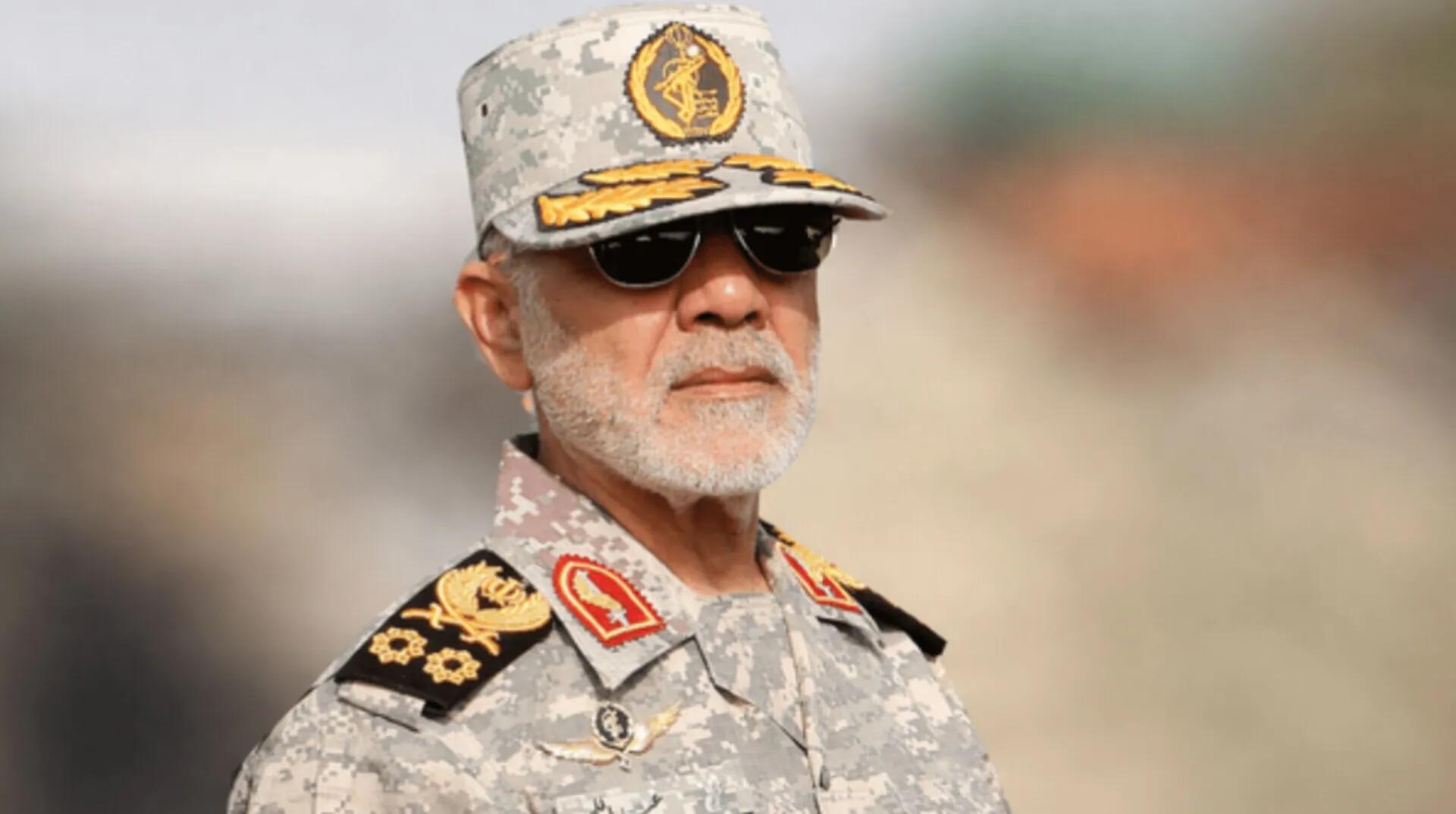
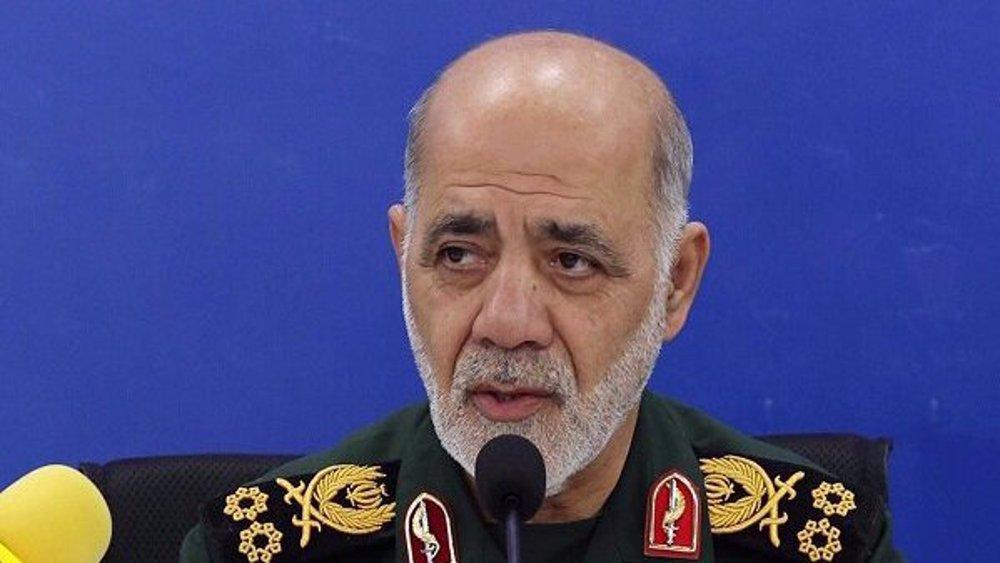
Major General Ali Abdollahi, Chief of the General Staff of Iran’s armed forces and Commander of the Khatam al-Anbiya Central Headquarters, warned that any renewed aggression against Iran would be met with a more forceful response during a Tuesday visit to military production facilities. Abdollahi highlighted the expansion of the Army’s drone manufacturing capabilities and praised efforts to establish and expand multiple drone production lines, saying the systems he saw demonstrated the Armed Forces’ readiness, motivation and capacity for innovation.
Abdollahi said military equipment developed and upgraded by Iranian specialists had become more advanced than earlier models and offered new capabilities. Abdollahi argued that Iran could counter technologically advanced adversaries by using “different methods and asymmetric capabilities,” and he warned that if Iran came under attack again it would deploy a broad range of more affordable systems to make military operations more costly and difficult for adversaries.

Lessons from US-Israel wars
Abdollahi framed Iran’s posture around “the two recent wars imposed by the United States and Israel,” and he said Iran would be better equipped to respond to future aggression. Mehr News Agency reported that the United States and the Israeli regime waged their first illegal war against Iran, which lasted 12 days, in June 2025, and that their second aggression began on February 28, 2026, and came to a halt in early April after 40 days.
Abdollahi said Iran’s resistance and decisive retaliatory operations forced the aggressors to accept a ceasefire in both wars. Abdollahi also pointed to the importance of asymmetric warfare, saying “Our enemies possess modern and advanced equipment, and when necessary, we must respond using different methods and asymmetric capabilities,” and he tied that approach to the lessons drawn from those conflicts.
Self-sufficiency and deterrence
Abdollahi praised progress toward self-sufficiency in the Armed Forces, saying domestic defense development followed the direction set by Ayatollah Seyyed Ali Khamenei, described as a strong supporter of national strength and technological advancement.
Abdollahi said Iran’s military remained committed to defending the country against any power that threatened its territory or revolutionary values, and he said the resolve of both the population and the armed forces had grown stronger despite enemy actions.
WANA reported that IRGC spokesman Brig. Gen. Hossein Mohebi said Iran’s missile and drone production continued throughout the conflict and that overall military capabilities had increased by at least 50 percent.
Mohebi warned that even a limited US military action could trigger a serious global energy crisis, and he said, “If the United States takes new action, our response will be much more severe,” while also stating that there were now no US warships in the gulf and American vessels were positioned approximately 700 kilometers from the Strait of Hormuz.