Iranupdated 15m ago3 min read
Ali Abdollahi Says Iran Will Defend Itself Under Any Circumstances
This article is an automated aggregation of coverage from news outlets. Our editorials offer in-depth analysis curated by the NewsCord team.
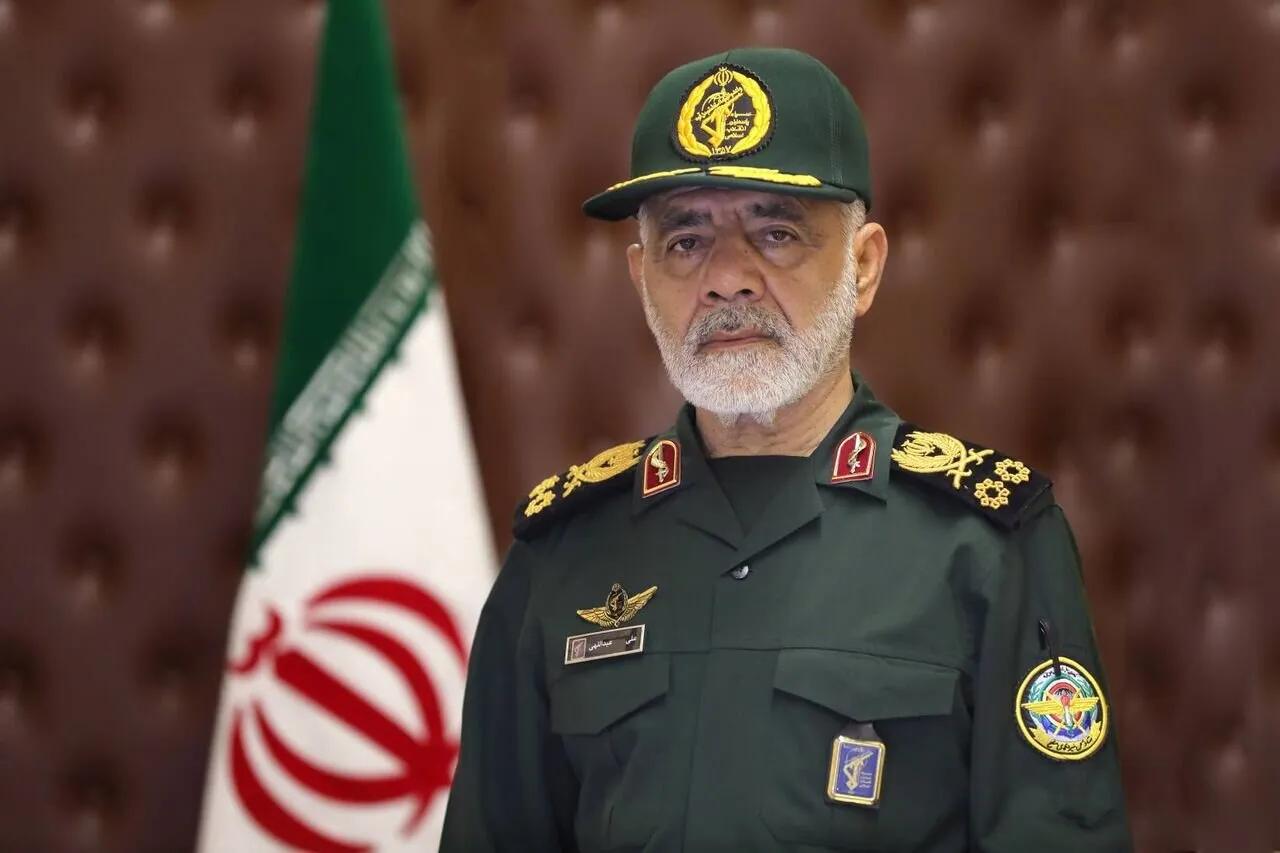
Iran's Chief of the General Staff vows to defend the country under any circumstances. Remarks were delivered at a ceremony honoring Nasirzadeh and introducing Mehrdad Akhlaghi.
Ynetnews was read line by line by the Watchdog: 2.1. See the score →
Defend Under Any Circumstances
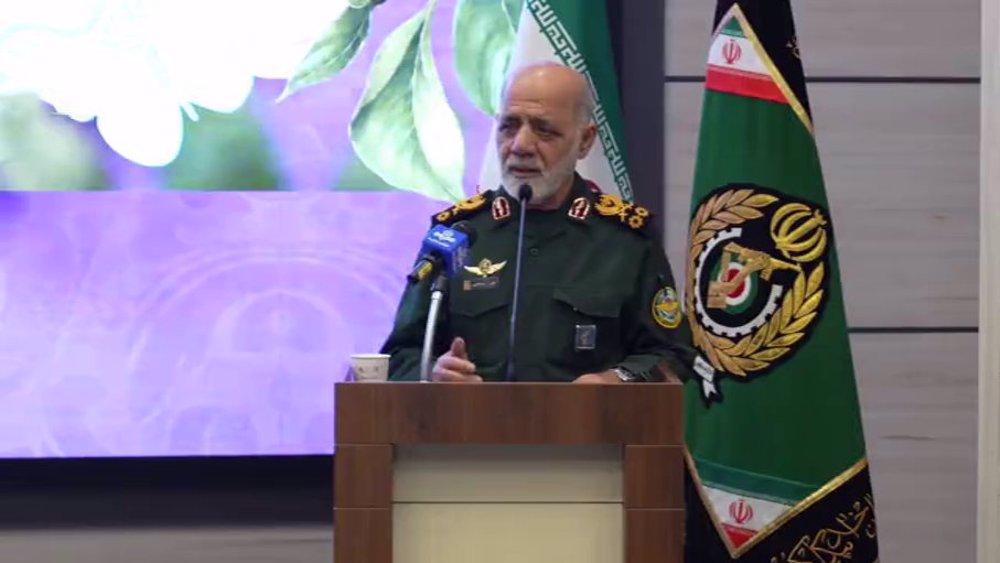
Major General Ali Abdollahi, Chief of the General Staff of Iran’s Armed Forces, said Iran would defend itself “under any circumstances” during a ceremony honoring martyred Defense Minister Aziz Nasirzadeh and introducing his successor, Mehrdad Akhlaghi.
“We will defend our country under any circumstances.”
Abdollahi warned, “We will not allow any aggressor to encroach upon the country whether it seeks to seize our territory or harm the Islamic Republic establishment,” while he also argued that US President Donald Trump failed to bring Iran to its knees.

Abdollahi said “The US is no longer the superpower it once claimed to be. It has grown old,” and he attributed Iran’s ability to overcome difficult circumstances to national unity, public resilience, coordination among different branches of the government, and the efforts of the Armed Forces.
WANA News Agency also quoted Abdollahi stressing that Iran would not allow any aggressor to target its territory or undermine the Islamic Republic, and it described him as commanding the Khatam al-Anbiya Central Headquarters.
Abdollahi further said the Islamic Republic has never started a war and has always defended the country and its people against acts of aggression.
Bomb Threats and Deterrence
Brigadier General Mohammad Reza Naqdi, Deputy Coordinator of the Islamic Revolution Guards Corps, warned the United States against any military miscalculation, saying Tehran would respond to Trump’s “mother of all bombs” with the “father of bombs.” Naqdi said, “If you make a wrong move, we will come for you with the father of bombs, and all your assets will be at risk,” while he described Trump’s remarks as a sign of fatigue and depleted patience. Naqdi argued that the enemy had already used heavy weaponry in the past but those actions failed to achieve US objectives, and he claimed parts of the technology used in some weapons deployed against Iran are now in the hands of Iranian forces and are under examination.
Naqdi also warned that any miscalculation and escalation could jeopardize the security of US investments and economic activities in the region, including American technology, artificial intelligence and oil companies operating in the region. Naqdi said, “Our defensive readiness and the will of the Iranian people have complicated the enemy's calculations,” and he urged Iran to stay vigilant against psychological warfare and prevent internal disputes.
New Defense Minister, Diplomatic Conditions
Mehrdad Akhlaqi, appointed as Iran’s new defense minister on Sunday to replace an acting minister after Aziz Nasirzadeh was killed in an Israeli strike in February, threatened the United States and Israel with a sweeping military response. Akhlaqi warned President Donald Trump that any renewed attack on Iran could leave American forces facing heavy casualties, and he told lawmakers, “I have been on the enemy's assassination list for 35 years.” Akhlaqi said, “Let him try dropping one bomb, and then we'll see how many bodies he has to evacuate,” after he claimed Iran had already taken measures to counter a potential American attack involving the GBU-43/B.
Iran’s Foreign Minister Abbas Araghchi said Tehran’s proposal to end the war and reopen the Strait of Hormuz under a seven-day framework remained on the table, and he set out a timeline in which the strait would reopen on the sixth day and negotiations would resume on the seventh. Araghchi said, “If there is any sincerity on the American side, the path forward is clear,” and he tied the proposal to conditions including lifting the U.S. blockade of its ports, removing oil sanctions, releasing frozen Iranian funds and ending hostilities on all fronts, including Lebanon.