Iran · updated 46m ago · 3 min read
Mohsin Naqvi Meets Eskandar Momeni in Tehran To Discuss Bilateral Ties And Houthi Attacks
Pakistan's interior minister arrived in Tehran to discuss bilateral relations with Iran He held talks with Iranian officials on regional situation and Houthi attacks
Whether the trip is mediation-linked.
7 of 9 outlets skipped it: the meeting included Eskandar Momeni and Naqvi emphasised finalising bilateral agreements.
9outlets compared
Same story, two versions
tap a side to read it in full
India Today
“there was no discussion so far of the minister carrying any specific US message”Read the original ↗
Business Recorder frames the trip as unrelated to Iran-US issues, while India Today stresses Iran rejects any specific US message.
Naqvi heads to Tehran
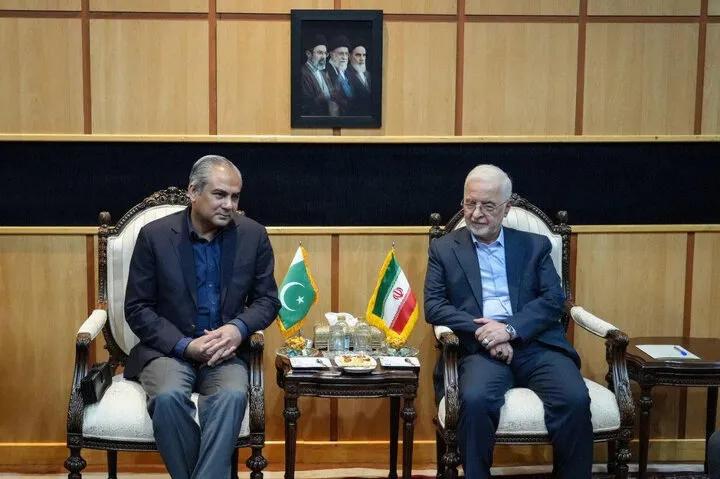
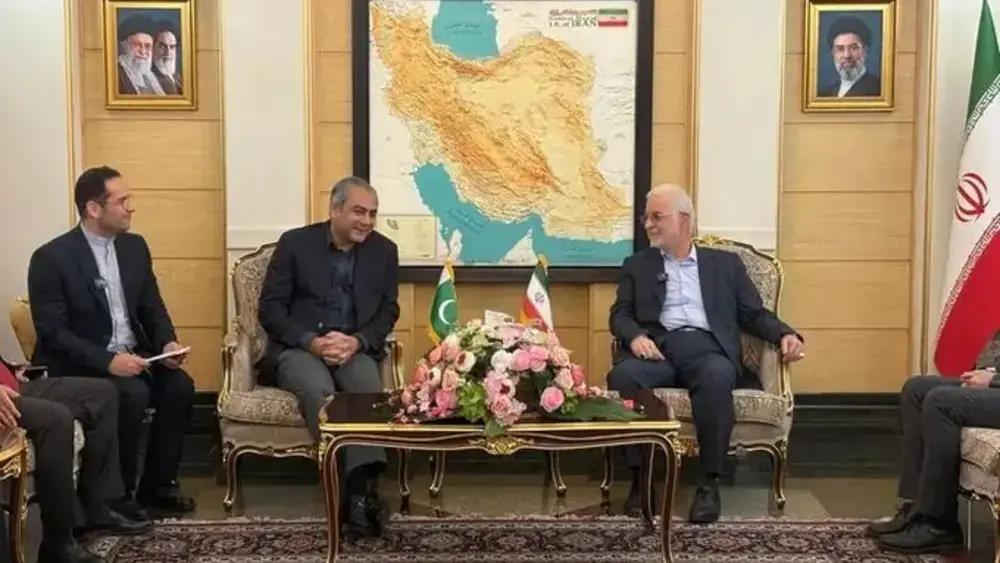
Pakistan's Interior Minister Mohsin Naqvi left for Tehran on Monday to hold talks with Iranian leadership on the evolving regional situation and bilateral relations, Pakistani government sources told Anadolu. Anadolu said Naqvi would discuss attacks by the Yemeni Houthi group on Saudi Arabia's oil and economic infrastructure and how to revive stalled peace talks with the US, while Iran's Foreign Ministry spokesperson Esmaeil Baqaei said Naqvi's visit would focus on bilateral relations and that there was no plan to exchange any specific messages regarding mediation. Naqvi arrived in Tehran and met his Iranian counterpart Eskandar Momeni at Iran's Ministry of Interior, where the two sides discussed bilateral relations, regional developments and ongoing cooperation between their interior ministries.
Naqvi's trip aimed to follow up on previous understandings between the two countries, and it quoted Esmaeil Baghaei saying there was no indication so far that Naqvi was carrying a specific message or proposal from the United States. Momeni and Naqvi emphasized finalizing agreements to expand bilateral relations and Naqvi invited Momeni to visit Pakistan.

Mediation dispute and talks
Anadolu said Naqvi was involved in mediation efforts alongside Pakistan's army chief Field Marshall Asim Munir, and it described Pakistan as the primary mediator between Iran and the US throughout the war. Anadolu said the US and Iran signed the Islamabad memorandum of understanding in June and launched negotiations toward a final agreement, but the talks later collapsed over disagreements on security guarantees and freedom of navigation through the Strait of Hormuz. The Express Tribune said Baghaei told an IRNA reporter in Islamabad that Naqvi's visit would focus on bilateral relations, and it added that there was no plan to exchange any specific messages regarding mediation.
Baghaei said, "Naqvi's visit to Tehran will focus on bilateral relations, and there is no plan to exchange any specific messages regarding mediation," while it also said Naqvi was expected to explore avenues for reviving peace talks between Tehran and Washington. Baghaei was quoted as saying, "The visit of Pakistan's interior minister is entirely within the framework of bilateral discussions," and it added that one of Pakistan's economic ministers might accompany Naqvi.
Regional pressures and stakes
Anadolu said Naqvi would discuss attacks by the Yemeni Houthi group on Saudi Arabia's oil and economic infrastructure, and it said Islamabad warned that the recent escalation in Yemen would further complicate the already complex regional scenario. Fighting between Saudi Arabia and the Iran-aligned Houthis intensified, with Saudi Arabia carrying out airstrikes against Houthi positions and the Houthis launching drone and missile attacks on Saudi territory. The situation raised concerns over the security of Saudi energy infrastructure and shipping routes around the Red Sea and the Bab el-Mandeb Strait, through which about 10 to 15 per cent of global maritime trade normally passes.
The Strait of Hormuz effectively remained blocked and roughly a fifth of the world's energy supplies passed through the waterway in peacetime. An IRGC spokesman warned that "Iran Prepared for Prolonged War, New Aggression Will Trigger Wider War Theater," as the region's diplomacy and security pressures continued to intersect with the Naqvi visit.