Iran · updated 1h ago · 2 min read
IRGC Warns It Will Use New Weapons, Target Sites Not Previously Attacked If US Attacks Iran
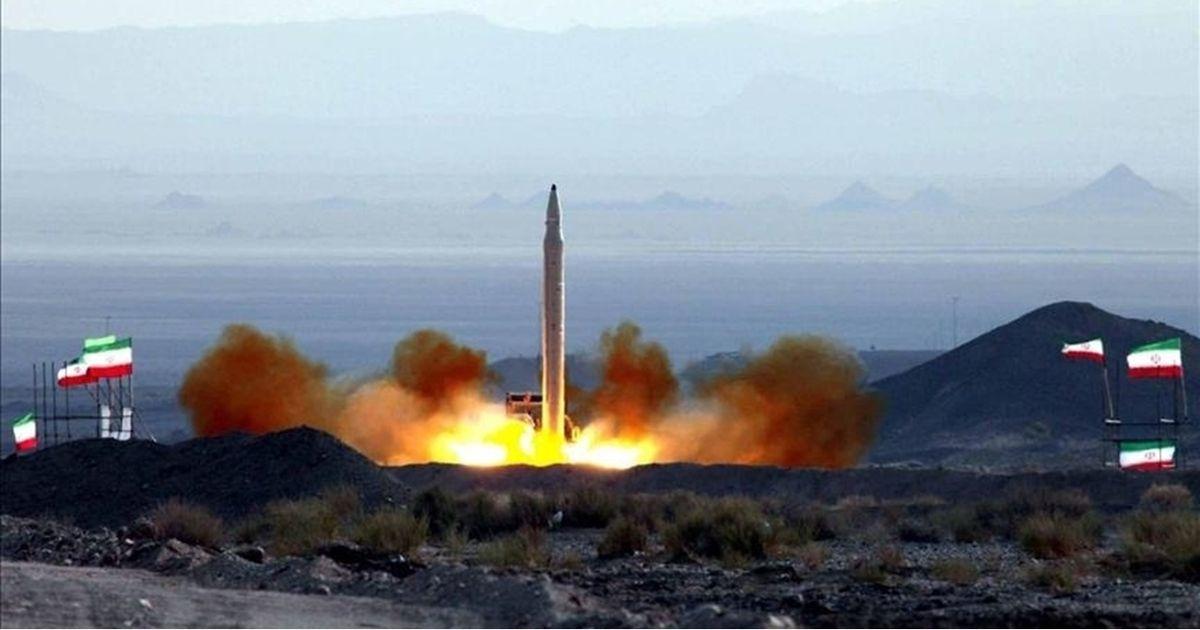
IRGC says will use new weapons and attack sites not previously targeted if US attacks. Iran signals readiness for long-term confrontation, new weapons, and broader targets.
Which capability detail is emphasised.
11outlets compared
Same story, two versions
tap a side to read it in full
Middle East Eye
“Tehran has developed weapons during and before the war that have not yet been used”Read the original ↗
Bankingnews
“A blow to American intelligence services Hossein Mohebi claimed that the conflict exposed severe vulnerabilities within the American intelligence framework.”Read the original ↗
Bankingnews foregrounds intelligence and base impacts, while Middle East Eye spotlights un-used Iranian weapons, keeping the defeat claim but changing emphasis.
Tehran readies new strikes
Iran’s Islamic Revolutionary Guard Corps warned that it will use new weapons and target sites that have not previously been attacked if the United States launches a new attack on Iran. IRGC spokesperson Hossein Habibi told Fars News Agency that "Iran will use new weapons and target sites that have not previously been attacked if the United States launches a new attack against it."
“"Iran will use new weapons and target sites that have not previously been attacked if the United States launches a new attack against it."”
Iran also said the IRGC shot down an American MQ-1 drone in the airspace of the Strait of Hormuz, as Tehran framed the confrontation as prepared for a long-term conflict. Iran’s Parliament Speaker Mohammad Bagher Ghalibaf said Tehran conveyed to Washington, through intermediaries, its conditions for reopening the Strait of Hormuz, stressing that "its reopening will not occur before these conditions are met and the legitimate rights of the Iranian people are recognized and American obligations fulfilled."

Trump weighs options, talks
U.S. President Donald Trump said he has entered a decision-making phase regarding Iran and warned of potential "very big things" in the near future, while signaling openness to meeting with his Iranian counterpart Ebrahim Raisi on the margins of the United Nations General Assembly in New York.
Trump presented several options for dealing with Tehran, including continuing economic pressure, choosing to escalate militarily, or reaching an agreement, while noting that his final decision on the next step has not yet been made.
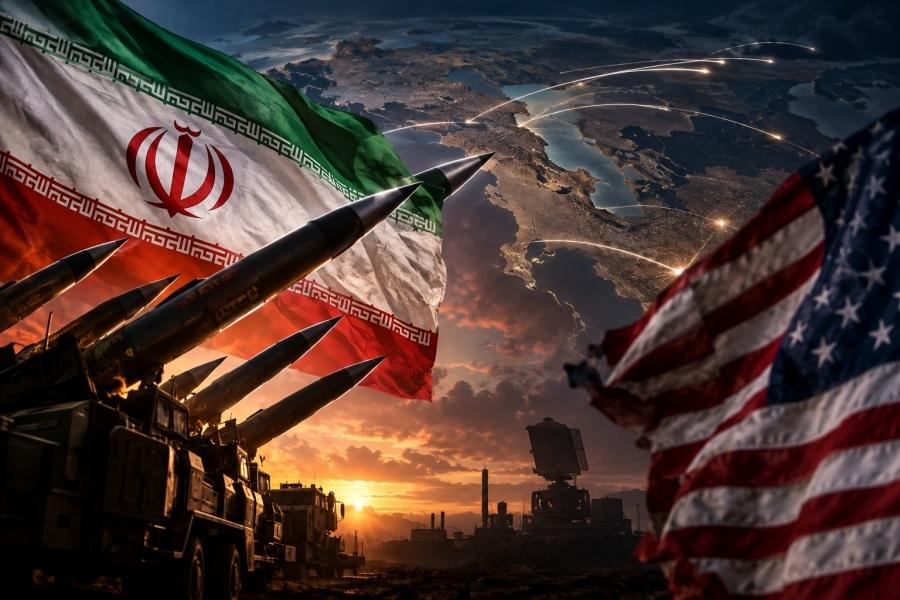
IRGC spokesperson Hossein Movahedi, quoted by Reuters from the Iranian Tasnim News Agency, said, "If a new aggression occurs, we will certainly change weapons and the geography of the war," adding that Tehran is prepared for a long struggle.
The BBC reported that the central Khatam al-Anbiya headquarters warned that any new American attack will be met with strikes against U.S. interests and assets, and it warned regional countries against taking part in any move against Iran.
Hormuz pressure and stakes
Tehran tied its warnings to the Strait of Hormuz, with IRGC officials arguing that navigation remains at very low levels compared with before the outbreak of the war and that reopening depends on conditions being met.
Ali Shamkhani, Secretary of the Supreme National Security Council, said Tehran conveyed through Qatari intermediaries its conditions for resuming talks with Washington, including "ending the war on all fronts, releasing Iran’s frozen assets, and lifting the American maritime siege imposed on Iranian ports."
The IRGC also warned that American bases and interests in the region would be vulnerable to ongoing attacks if Washington takes a new military step against Iran, framing the next phase as broader and more painful.
In parallel, the BBC described a field update in which the Revolutionary Guards intercepted and destroyed a U.S. MQ-1 drone over the Strait of Hormuz at dawn on Monday using what it described as a "sophisticated air defense system developed recently."