Asia · 14 May, 2026 · 2 min read
Paleontologists Identify Nagatitan Chaiyaphumensis, Thailand’s Largest Dinosaur From Khok Kruat Formation
Nagatitan chaiyaphumensis identified as Southeast Asia's largest dinosaur. Fossils found near a pond in northeastern Thailand, dating to 100–120 million years ago.
Why it’s called “last titan”.
7 of 8 outlets skipped it: phylogeny uses 153 taxa and 570 characters..
13outlets compared
Same story, two versions
tap a side to read it in full
Sci.News emphasizes stratigraphic timing; NPR emphasizes the broader future likelihood.
Nagatitan in Thailand
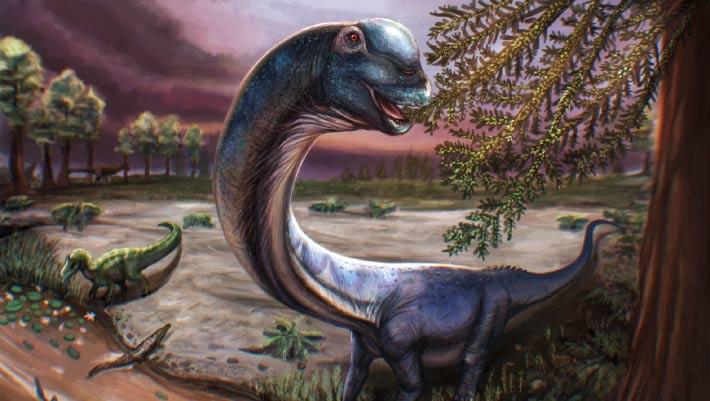
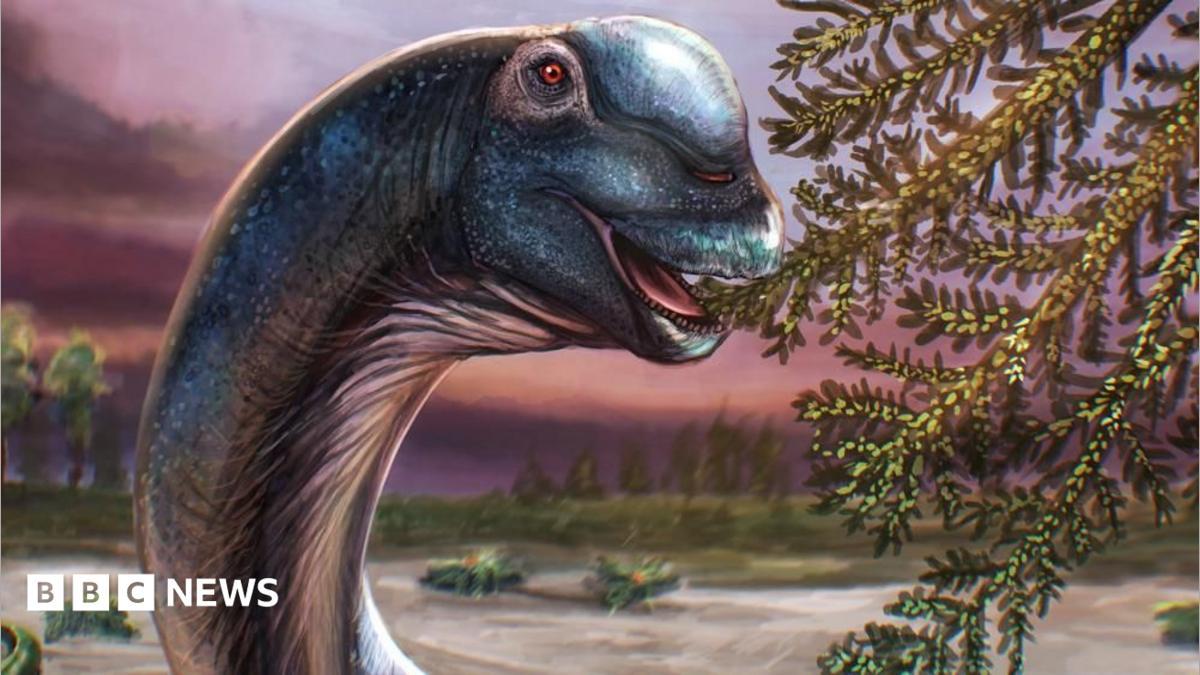
Paleontologists identified a new somphospondylan titanosauriform dinosaur species, Nagatitan chaiyaphumensis, from fossilized bones found in Thailand’s Chaiyaphum province, with the animal roaming what is now northeastern Thailand around 113 million years ago. The study estimates Nagatitan measured 27 m (89 feet) in length and weighed between 25 and 28 tons, based on analysis of spine, rib, pelvis and leg bones from the Khok Kruat Formation.
Lead author Thitiwoot (Perth) Sethapanichsakul, a Ph.D. student at University College London, said, “Our dinosaur is big by most people’s standards — it likely weighed at least 10 tons more than Dippy the Diplodocus (Diplodocus carnegii).” Sethapanichsakul also framed the discovery as potentially the end of the search in the region, saying, “So this may be the last or most recent large sauropod we will find in Southeast Asia.”

Bones, naming, and setting
The fossils were excavated from the Khok Kruat Formation, and EurekAlert! says the bones were found at the edge of a pond in north-eastern Thailand 10 years ago and were analyzed to estimate a 27-ton animal measuring 27 metres long. EurekAlert! reports that the front leg bone was 1.78 metres long and that the dinosaur’s name combines “Naga” for a mythological aquatic serpent with “Titan” for giants of Greek mythology and “chaiyaphumensis” meaning “from Chaiyaphum”.
NPR adds that the sauropod comes from the late Early Cretaceous period, some 100 to 120 million years ago, and that researchers estimate its size from the spine, rib, pelvis and leg bones that were discovered. NNPR also quotes paleontologist Mathew Wedel, who was not involved in the project, saying the material is “not bad,” because “We’ve got several regions of skeleton represented.”N
Scientific Reports and implications
In Scientific Reports, the authors describe Nagatitan chaiyaphumensis as the first diagnostic sauropod specimen from the stratigraphically youngest fossil-bearing Mesozoic Thai unit, the Aptian–Albian (Lower Cretaceous) Khok Kruat Formation, and place it within Euhelopodidae using phylogenetic analyses under maximum parsimony with a data matrix containing 153 taxa and 570 characters. The paper estimates a body mass of 25–28 tonnes for Nagatitan and suggests it was part of a broader middle Cretaceous body size increase in Asian titanosauriforms, facilitated by rising temperatures and expanded suitable habitat.
National Geographic Explorer Sita Manitkoon, a project leader, said the discovery provides insight into how changes in ancient climate and vegetation opened the doors for gigantic dinosaurs to develop, and she described the find as “the most complete sauropod specimen discovered from the Khok Kruat Formation.” The study’s broader context is that somphospondylan titanosauriforms were globally distributed and that the discovery “expands the known diversity of Southeast Asian sauropods and improves our understanding of titanosauriform biogeography within the region.”