Technology and Science · updated 1h ago · 2 min read
Pennsylvania Health Officials Report Fifth Measles-Associated Death In Lancaster County
Fifth measles-associated death in Pennsylvania confirmed; unvaccinated Lancaster County resident. Outbreak near one thousand cases statewide, about 943 cases across 39 counties.
Whether political vaccine actions drive the outbreak.
10 of 11 outlets skipped it: offit warns cases could be underestimated and virus is highly contagious.
17outlets compared
Same story, two versions
tap a side to read it in full
Democracy Now!
“continue to defund public vaccination programs and push debunked claims that vaccines cause autism.”Read the original ↗
FOX 29 Philadelphia
“Pennsylvania and Maryland Local perspective: Pennsylvania has emerged as a major hot spot for the outbreak.”Read the original ↗
Democracy Now! frames the outbreak through vaccine politics and undercount estimates. The mainstream outlets focus on reported case counts and outcomes.
Fifth death in Lancaster
Pennsylvania health officials reported a fifth measles-associated death in the state, identifying the deceased as an unvaccinated resident of Lancaster County. The Pennsylvania Department of Health said the death was reported to the United States Centers for Disease Control and Prevention (CDC), and the state said it has recorded 943 confirmed measles cases across 39 counties so far in 2026. The updated case count as of Wednesday is 943 across 39 counties, and 119 cases were reported in just the last seven days.
“The Pennsylvania Department of Health says there has now been a fifth measles-related death in the state.”
Pennsylvania has reported 943 total cases since the outbreak began in April, including at least 176 hospitalizations, and all but four of the cases have been among people who were not fully vaccinated. The outbreak has been centered in Lancaster County, which is where about 40% of the state’s measles cases have been concentrated.

Counting dispute and politics
The CDC only counts two measles death on its dashboard, and CNN said the CDC noted that "this number is subject to change; CDC will update its reporting as additional information becomes available and relevant reviews are completed."
The CDC had confirmed only two measles-related deaths nationwide as of Tuesday without naming the states, amid a disagreement between Pennsylvania Governor Josh Shapiro and US Health Secretary Robert F Kennedy Jr over how such deaths are defined.

Robert F Kennedy Jr wrote on the social media platform X on August 26 that "The announcement appears to have been premature, and the deaths may even have been altogether fabricated by one of the Governor’s hopeful staffers," as Pennsylvania reported five measles-associated deaths.
Pennsylvania health officials requested assistance from the CDC’s Epi-Aid program but Dr. Debra Bogen said the request would be rescinded "if CDC is unable to transparently and accurately communicate information about those measles-associated deaths."
HHS press secretary Emily Hilliard told CNN that "If requested, CDC stands ready to deploy epidemiologists to support the state’s identified needs," while the dispute continued over how to classify deaths.
Vaccination push and risk
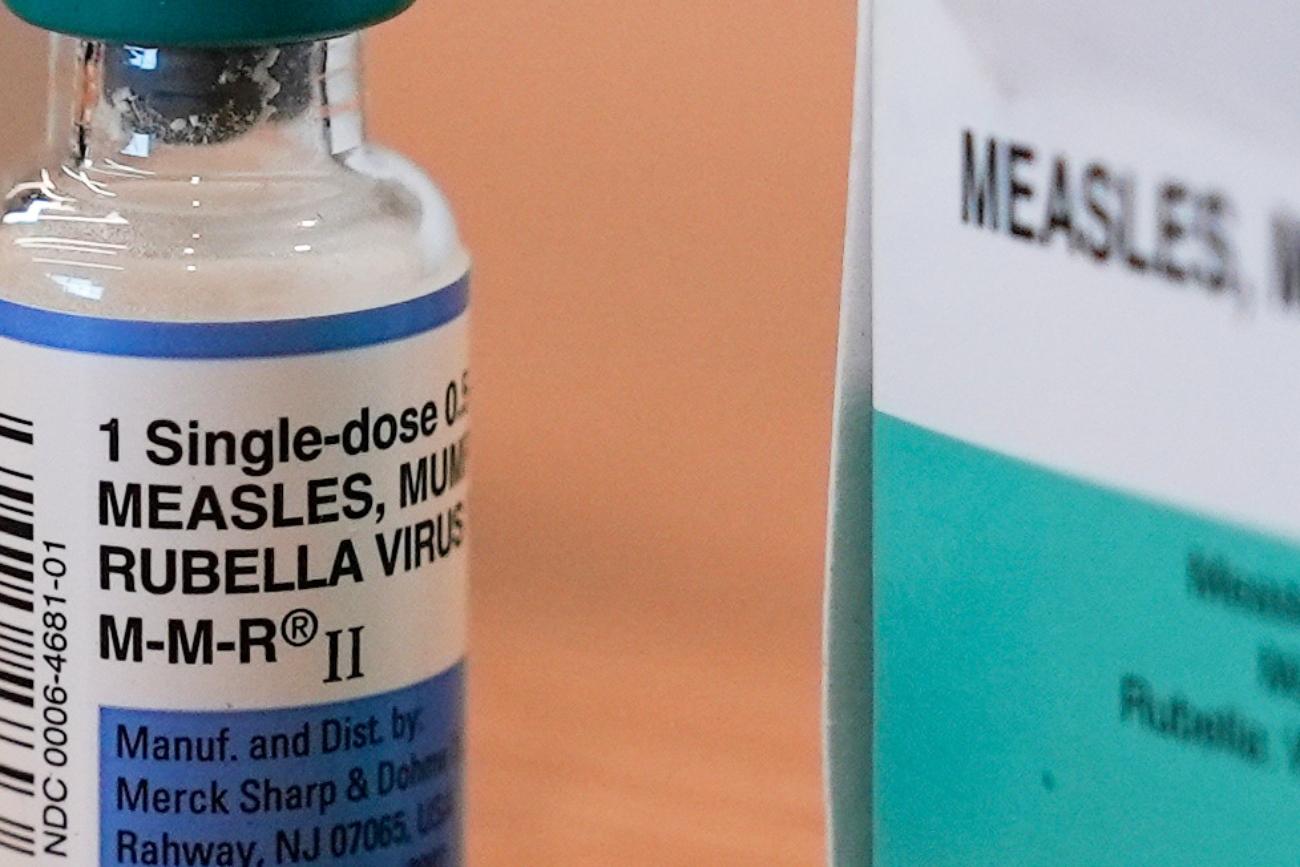
Pennsylvania health officials said more than 53,000 MMR vaccine doses were given this month, and 6abc Philadelphia reported that the figure is more than double the typical rate.
“53,000 doses of the MMR vaccine have been given this month, more than double the typical rate.”
The state administered more than 53,000 MMR vaccine doses statewide in September, and protection is most commonly conferred through the MMR shot.
The MMR vaccine prevents 97% of measles cases, and only four of the confirmed cases involved vaccinated individuals, representing less than 1% of the state’s total cases.
Amesh Adalja, a senior scholar at the Johns Hopkins Center for Health Security, told Reuters that "Every one of these deaths was preventable," and only four of the state's 943 cases have been in vaccinated people.
Dr. Stephen Diamantoni told CNN that "Measles generally, as well as many other respiratory illnesses, does tend to get worse over the fall and winter months," as he warned the outbreak could worsen with the seasons.