South America28 March, 20262 min read
President Gustavo Petro Ratifies 1989 Mercenary Convention, Bans Recruitment And Financing
This article is an automated aggregation of coverage from news outlets. Our editorials offer in-depth analysis curated by the NewsCord team.
UN says over 10,000 Colombians recruited as mercenaries in foreign wars worldwide. Recruits have fought in Ukraine, Sudan, and the DRC, per UN findings.
Surging Colombians in foreign conflicts
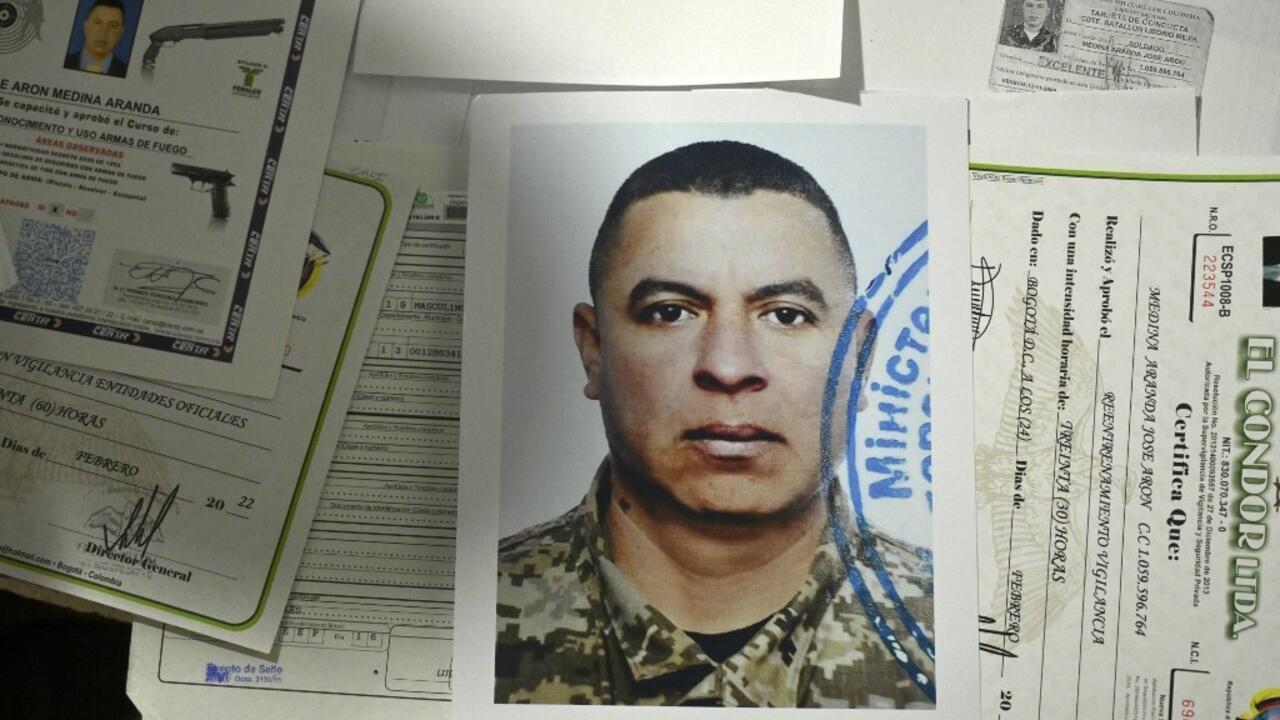
UN experts warn of a new, high-stakes global pipeline: more than 10,000 Colombians have been recruited to fight in Ukraine, the Sudan, the DRC and other conflicts over the past decade, a scale that signals a systemic mercenary market rather than a handful of cases. The recruitment is driven by the frailties of reintegration for former military and security personnel and the lure of attractive salaries, with online networks and social-media recruitment funneling workers into both legal and illicit assignments. In parallel, President Gustavo Petro signed Law 2569 to ratify the 1989 International Convention on Mercenaries, signaling a formal state stance and an intent to curb mercenary recruitment under international law.
“Over 10,000 Colombians are recruited into armed conflicts worldwide, both through legal and irregular means.”
Online recruitment and pay
Recruitment networks are now global and digital, with salaries commonly advertised between roughly $2,000 and $6,000 per month and recruitment channels that blend formal contracts with opaque terms. Platforms such as Facebook, Instagram, Telegram, TikTok and WhatsApp are repeatedly cited as conduits for real jobs and deceptive postings alike, while word-of-mouth remains a persistent route through former colleagues. The scale of deception is notable: some recruits are offered unclear contracts and restricted mobility once abroad, sometimes amounting to coercive conditions and human-trafficking dynamics.
Regulation and policy response
The UN Working Group on Mercenaries commended Colombia’s new legal step, and multiple articles detail how Petro’s government is aligning with international norms to curb mercenarism.
“This phenomenon worries Colombia, where the government is trying to stem this leakage toward foreign wars.”
The law’s intent is to prohibit recruitment, financing and training of mercenaries, while inter-agency and international cooperation, public awareness, and better economic opportunities are urged to prevent future foreign deployments.
Mercenary corridors and journeys
A web of corridors ties Colombia to Darfur, Ukraine and beyond: investigators trace a route from Europe and the Gulf to Libya, Somalia and Sudan, with UAE-linked networks playing a pivotal role. France 24 maps a path from a Bulgarian factory to Sudanese militias, showing Colombians traveling through Paris to the UAE and then into Libya before reaching Sudan. Other reports describe the RSF’s recruitment of Colombians since 2024, often routed via the UAE or Libya, with passports or documents surfacing as evidence of travel through key hubs like Paris and Abu Dhabi.
Human costs and risks
Families say passports have been seized and information about relatives abroad is hard to obtain. Victims describe coercive recruitment and trafficking-like conditions.
“‘This is human trafficking,’ says one of the victims interviewed by the Colombian media.”
Investigations also point to a broader pattern of exploitation in which private security firms, unregulated arms, and drone technologies multiply the hazards for recruits and their families. Sudan’s war and other theatres remain active as Colombian mercenaries are deployed.
