Russia22 October, 20252 min read
Putin Orders Nuclear Missile Drills Amid Summit Collapse with Trump
This article is an automated aggregation of coverage from news outlets. Our editorials offer in-depth analysis curated by the NewsCord team.
Putin personally supervised strategic nuclear forces drills involving missile launches. The exercises included launches of Yars intercontinental ballistic missiles and Sineva missiles.
7 outlets told this the same way.
Russian Nuclear Drill Overview
Russian President Vladimir Putin ordered strategic nuclear drills that involved the entire nuclear triad of Russia. These drills coincided with the collapse of a planned summit between Putin and Trump on the issue of Ukraine. Local reports detailed that the exercise included the launch of a Yars intercontinental ballistic missile from the Plesetsk facility.
“The exercises involved all components of Russia’s nuclear triad: a Yars intercontinental ballistic missile was launched from the Plesetsk facility, a Sineva missile was fired from a submarine in the Barents Sea, and Tu-95 bombers conducted long-range cruise missile launches.”
The drills also involved a Sineva missile launched from a submarine in the Barents Sea. Additionally, Tu-95 bombers were used to launch long-range cruise missiles during the exercise. Broader coverage emphasized the Kremlin's insistence that these maneuvers were scheduled well in advance.

Western mainstream media described the event as a long-planned simulation of nuclear weapons use. The drills served to demonstrate Russia's nuclear capabilities as well as to test command-and-control systems.
Summit Delay and Venue Dispute
Accounts differ on how to describe the summit’s fate and what led to the delay.
Several outlets agree Budapest was the intended venue and that the Kremlin emphasizes preparation.

WHEC reports Trump announced the Budapest meeting was on hold to avoid wasting time.
WHEC also quotes Kremlin spokesman Dmitry Peskov saying the summit requires thorough preparation.
The Daily Mail reports the summit was initially proposed to take place in Budapest and has been postponed after tense discussions between U.S. Secretary of State Marco Rubio and Russia’s Sergei Lavrov.
The Daily Mail adds that Viktor Orban and Russian officials indicate preparations continue.
In contrast, DIE WELT bluntly states the meeting was canceled.
Military Drills and Tensions
Multiple outlets portray the drills as both a show of force and a command-and-control exercise. WHEC reports the drills aimed to practice procedures for authorizing nuclear weapon use. DIE WELT says they tested military command capabilities, and both note the Kremlin’s claim they were planned in advance.
“The exercises involved all components of Russia’s nuclear triad and aimed to practice procedures for authorizing nuclear weapon use.”
Local reporting catalogs the weapons used across the triad. Daily Mail situates the exercises within heightened tensions over Ukraine, including Russia’s stated demands on territory and a stalled peace push by Trump.
Diplomatic Tensions Over Ukraine Ceasefire
The diplomatic backdrop is portrayed with different sticking points depending on the outlet. WHEC ties the postponement to Russia’s opposition to an immediate ceasefire in Ukraine. Daily Mail reports that Lavrov rejected the idea of freezing the current front lines.
An official described the Rubio‑Lavrov call as productive despite no immediate plans for a meeting. Daily Mail also cites Hungarian Prime Minister Viktor Orban and Russian officials as signaling that preparations persist. WHEC underscores Peskov’s demand for thorough preparation.
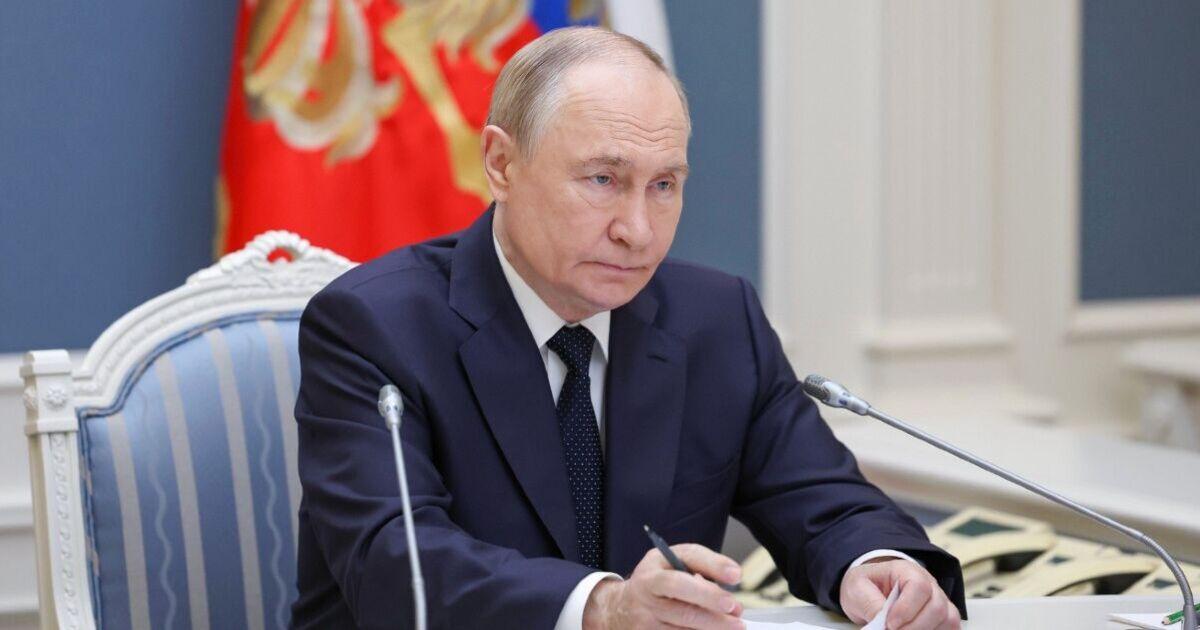
Overview of Russian Nuclear Exercise
The exercise demonstrated all components of Russia’s nuclear forces. Reports from different outlets provided consistent details but used varying names and levels of specificity. Local sources and DIE WELT identified specific platforms such as a Yars intercontinental ballistic missile, a Sineva submarine-launched missile in the Barents Sea, and Tu-95 bombers launching long-range cruise missiles.
“The exercises involved all components of Russia’s nuclear triad: a Yars intercontinental ballistic missile was launched from the Plesetsk facility, a Sineva missile was fired from a submarine in the Barents Sea, and Tu-95 bombers conducted long-range cruise missile launches.”
In contrast, WHEC summarized the nuclear triad without specifying the systems involved. These differences highlight local reporting’s focus on the launch sequence compared to broader summaries emphasizing capability and purpose.
