Russia23 August, 20262 min read
Russia Sabotages European Weapons Factories, Using Criminal Groups to Avoid NATO Article 5
This article is an automated aggregation of coverage from news outlets. Our editorials offer in-depth analysis curated by the NewsCord team.
Russia conducts new sabotage attacks on European defense factories supplying Ukraine Intelligence sources allege Moscow recruits local criminal networks to carry out operations
6 outlets told this the same way.
Sabotage, Article 5 test
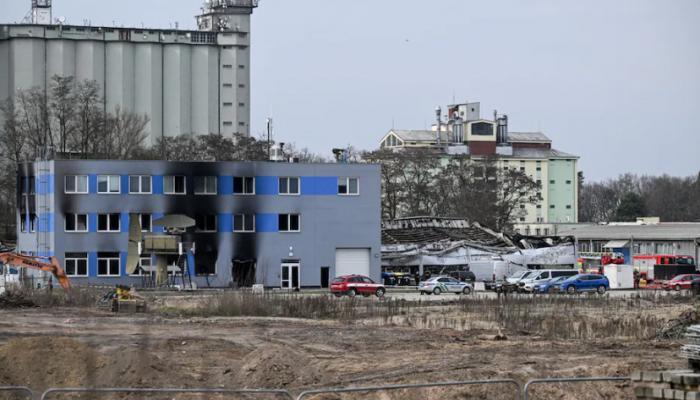
Western intelligence sources cited by The Telegraph say Russia has launched a new wave of sabotage against European weapons factories by recruiting members of local criminal groups to keep attacks below the threshold that would trigger NATO’s mutual defense clause under Article 5. The Telegraph reports that Latvia detained three of its citizens on suspicion of setting fire to a drone manufacturer in neighboring Estonia, with a building belonging to Tallinn-based Milrem Robotics set on fire on the night of August 15.
The Telegraph also links the Milrem arson to a broader pattern of suspected or confirmed sabotage targeting military supply chains supporting Ukraine across NATO territory. RBC-Ukraine, citing The Telegraph, says the operations were “deliberately organized to remain below the threshold that would trigger a collective NATO response under Article 5” while Moscow could test the Alliance’s reaction.

How Russia recruits
Normunds Mežviets, head of Latvia’s State Security Service, is quoted in The Telegraph saying, “In our experience, we don’t see GRU officers travelling here physically to our country.” The Telegraph adds that GRU officers “stay in Russia where it’s safe” and cultivate contacts within criminal gangs to act as intermediaries, using messaging apps such as Telegram.
RBC-Ukraine says the GRU now favors remote recruitment of criminals or local intermediaries, particularly via Telegram, and that perpetrators “may therefore be unaware that they are indirectly working for Moscow.” The Telegraph’s account also frames the covert nature of the attacks as a deliberate attempt to sow discord among allies, with Eastern member states such as Poland and the Baltic countries “much more vocal about Russian aggression” than countries farther west like Italy and Germany.
Escalation risk for NATO
NATO Secretary-General Mark Rutte is quoted in vijesti.me describing sabotage operations attributed to Moscow as “dangerous and irresponsible,” calling on the Alliance to be ready to respond in a “clear, swift and decisive” manner. The Telegraph says Russia’s “hybrid war” is aimed at escalating tensions between Nato’s allies and deterring support for Ukraine, and it ties the strategy to a steady stream of unexplained attacks across Europe since Vladimir Putin’s invasion of Ukraine in February 2022.
The Telegraph reports that explosions have occurred at major arms manufacturers in Italy and Bulgaria this month alone, and it also cites earlier incidents including a fire that almost destroyed a Czech plant making drones and thermal optics for Ukraine with four suspects detained. The stakes are framed in The Telegraph as a test of how far Moscow can go without provoking a NATO response, while the same article says Russia very rarely leaves evidence that would allow the attacks to be directly attributed to Moscow.