Iran · 12 September, 2026 · 3 min read
Saudi Arabia Shuts East-West Pipeline After Drone Attack From Iraq, Iraq Confirms Origin
Drone attack launched from Iraqi territory led Saudi East-West pipeline to shut down. Iraqi government confirmed attacks originated from its territory and closed three Iran crossings.
Who US officials suggest is responsible for the pipeline attack.
10 of 12 outlets skipped it: iraq dismissed Maysan operations commander after tracing attacks there.
39outlets compared
Same story, two versions
tap a side to read it in full
ABC7 Bay Area
“Trump said Iran was "probably" responsible for the pipeline attack, but tried to calm concerns.”Read the original ↗
One cites probabilistic US attribution, another frames attribution as established proxy responsibility.
Pipeline attack traced to Iraq
Saudi Arabia shut down its East-West pipeline as a “precautionary measure” after the facility came under drone attack, with the kingdom blaming drones that came from Iraq and saying it would not retaliate to give Iraq “an opportunity to take the necessary measures.”
“Saudi Arabia closed its East-West pipeline after the vital oil transport route was the target of an air attack”
Iraq’s government confirmed the attacks originated from its territory and pledged to investigate while dismissing two senior officials, as it faced “mounting pressure to prevent local militias from aiding other Iran proxy groups across the region.”

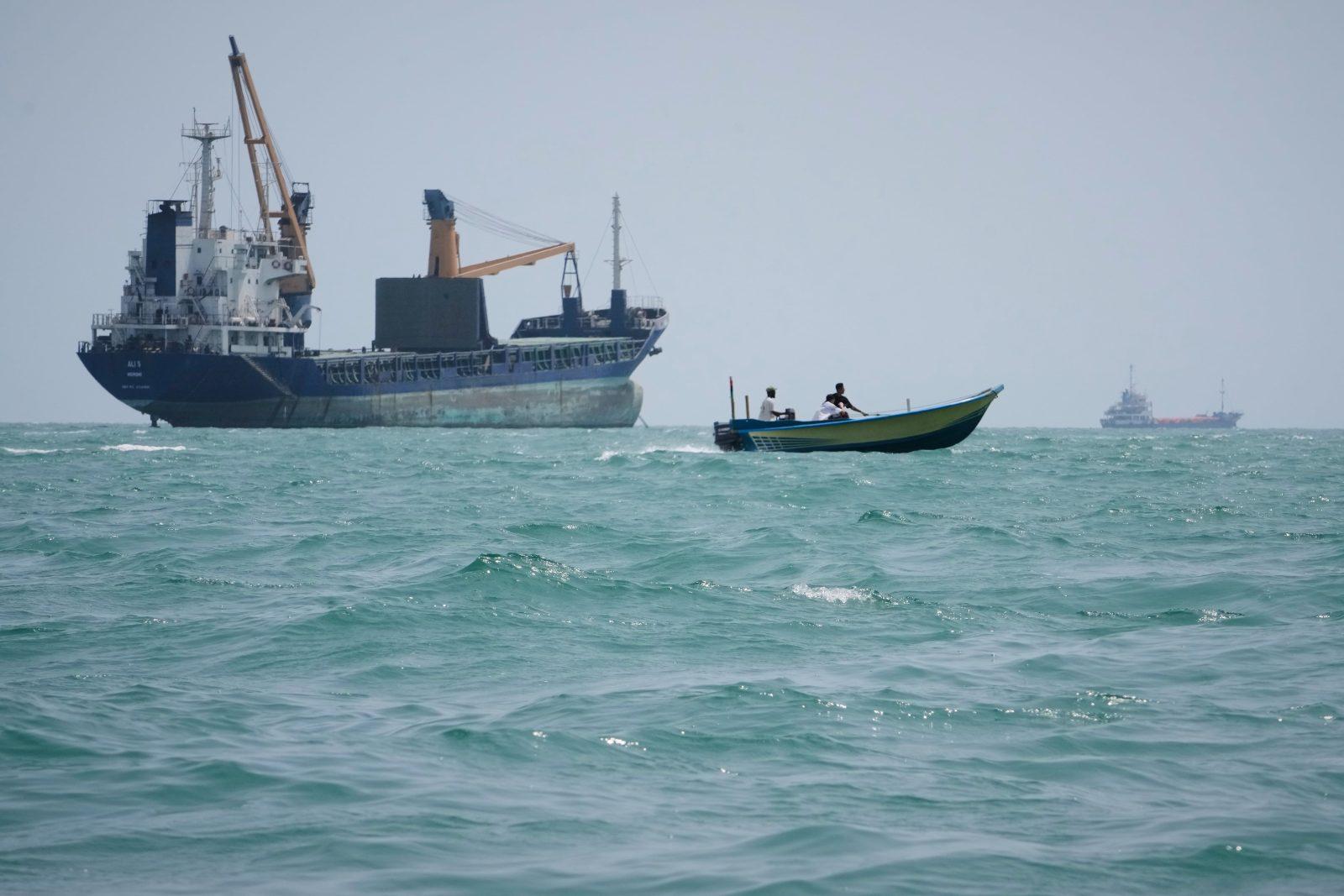
The dispute unfolded as Iran-backed Houthi rebels advanced across Yemen’s west coast, seizing an island in the Bab el-Mandeb Strait, a key shipping lane through which around 12% of global trade passes.
U.S. President Donald Trump, speaking to reporters in Dublin, said Iran was “probably” responsible for the pipeline attack but tried to calm concerns, adding that his administration has “had discussions” with the Houthis.
The Reuters report also said the 1,200-km (745-mile) East-West pipeline had helped Saudi Arabia avert disruption to maritime traffic in the Strait of Hormuz during the six-month U.S.-Iran war.
Trump, militias deny, Iraq acts
An umbrella group of Iran-backed militias in Iraq denied involvement in the east-west Saudi oil pipeline attack while praising the Houthis for their “ongoing battlefield victories against Saudi forces,” and said it would cooperate with Iraq’s investigation.
Iraq’s Prime Minister Ali al-Zaidi ordered an investigation into the operations command of Maysan province, dismissed the province’s commander, and later said the provincial police chief was also dismissed, as Iraq raced to contain fallout from the accusations.

Asked about the region on Saturday while speaking to reporters in Dublin, Trump said, “The Houthis called us, and they don’t want to fight with us,” and added, “They would much prefer not having us involved, and they’re letting most ships go through.”
The Associated Press reporting also described Iraq as under pressure to set a Sept. 30 deadline for nonstate groups to disarm, but noted that several of the most powerful militias have said they will not comply.
In a separate Reuters account, Saudi Arabia said it would not respond militarily and reserved the right to “take all necessary measures” to protect its interests, while Iraq condemned the attacks and ordered closure of Shalamcha border crossing with Iran.
Regional escalation and energy stakes
The pipeline shutdown and the Houthi advance raised the risk of wider escalation, with Reuters warning the two attacks reported Friday—on the pipeline and on Perim Island—could mark a dangerous escalation while diplomatic efforts to end the war have stalled.
“The two attacks reported Friday — on the pipeline and on Perim Island — could mark a dangerous escalation”
Reuters said the Houthis seized Friday the strategic Perim Island, located at the mouth of the Red Sea in the Bab el-Mandeb strait, and reported that Crown Prince Mohammed bin Salman phoned Trump last week asking for U.S. military help to combat the Houthis.
The Reuters report also tied the stakes to energy flows, saying the East-West pipeline carried between 4 and 5 million barrels per day in recent months and that Saudi Arabia’s crude transported through the pipeline to the Red Sea had been the main alternative oil source in the Middle East.
In parallel, Iraq closed two key border crossings with Iran—Shalamcheh and Chazabeh—until further notice, with Iranian state media saying the measure would halt all passenger and commercial traffic through the two crossings.
NBC News framed the broader consequence as a regional squeeze on oil flow, saying the East-West pipeline had helped Saudi Arabia bypass the blocked Strait of Hormuz and that the shutdown reverberated as attacks by Iran-backed Houthi rebels threatened to deepen the world’s energy crisis.