USA24 August, 20262 min read
Scott Bessent Unveils Expanded U.S. Sanctions Against Iran, Iran Economy Minister Ali Madanizadeh Vows Response
This article is an automated aggregation of coverage from news outlets. Our editorials offer in-depth analysis curated by the NewsCord team.
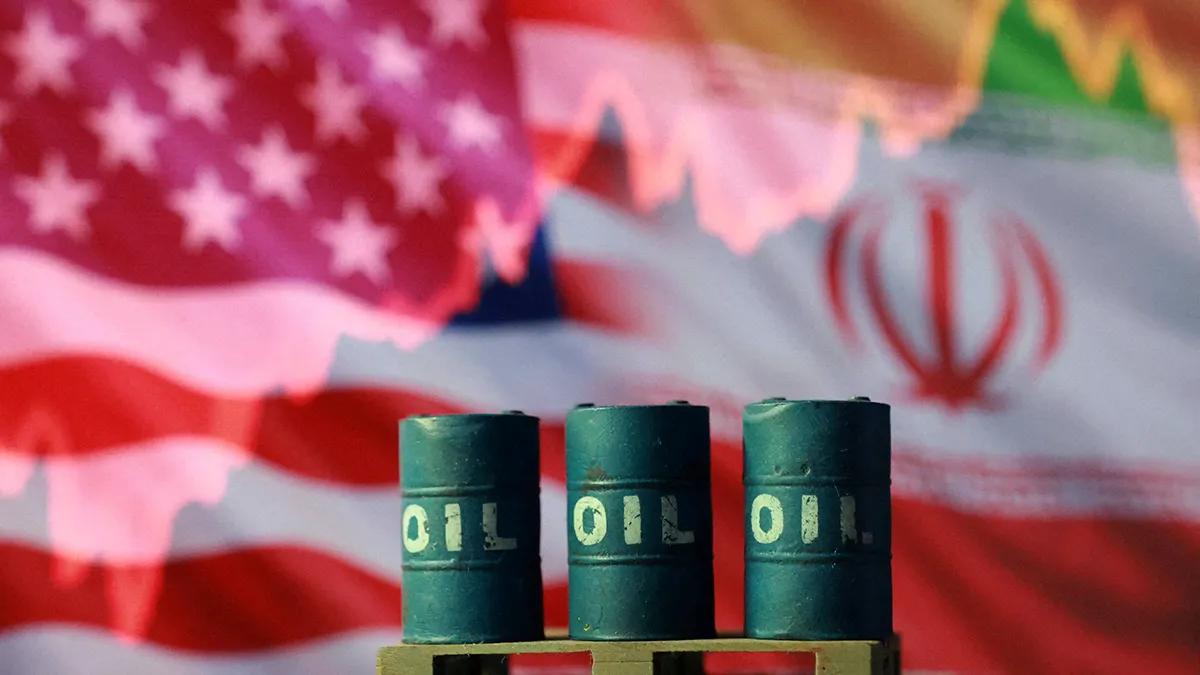
Treasury unveils Operation Economic Outcast to sever Iran’s remaining economic lifelines. Sanctions target Iran’s global trading partners, threatening access to the U.S. dollar system.
Al Jazeera was read line by line by the Watchdog: 2.2. See the score →
Economic D-Day Sanctions
U.S. Treasury Secretary Scott Bessent unveiled an expanded sanctions campaign on Monday aimed at cutting Iran’s economic lifeline, while stopping short of the “most punishing sanctions” and declining to identify targeted countries or when penalties would take effect.
Reuters reported that the Treasury Department announced new sanctions on 60 individuals, entities and vessels, and that the list did not feature any of the Chinese financial institutions suspected of facilitating Iran's oil trade.

In Washington, Bessent said countries that continued trading with Iran risked being forced out of the dollar-based financial system, and he framed the approach as giving countries time to comply with the new directive.
Iran’s response came through Iranian Economy Minister Ali Madanizadeh, who told state television, "We are fully prepared for the U.S. sanctions."
The sanctions push was also described by the CBC as an “economic D-Day” intended to warn countries that sever business ties with Iran or risk being cut off from the dollar-based financial system.
China Question and Threats
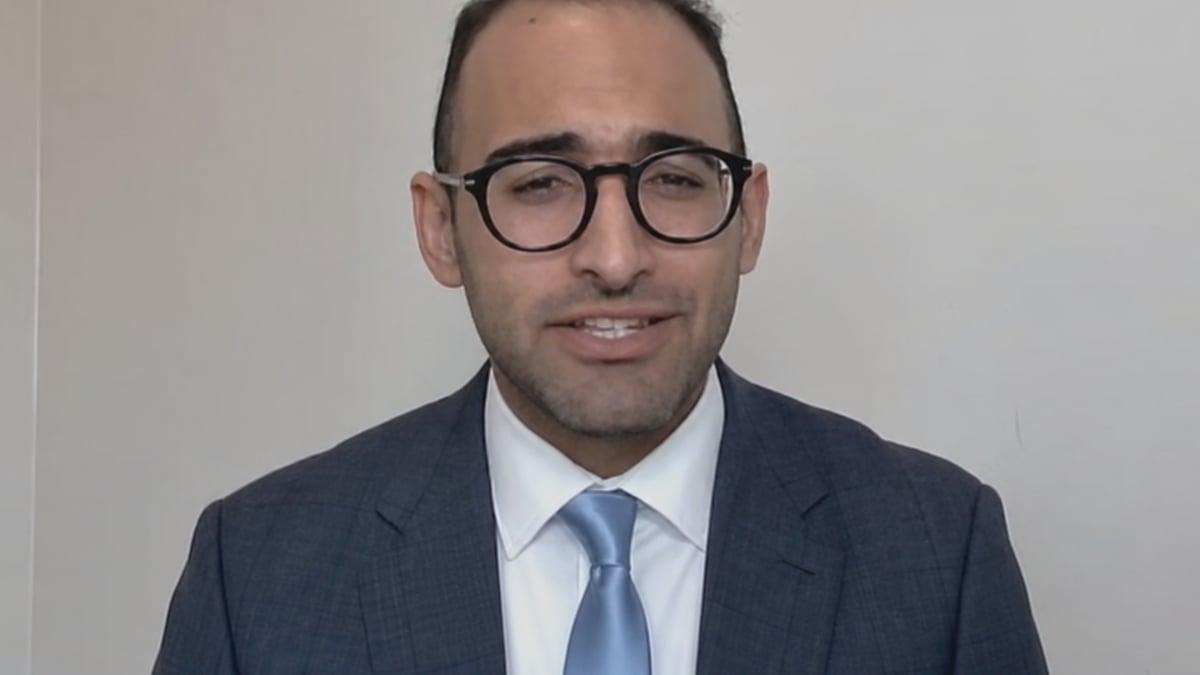
Multiple outlets centered the campaign’s biggest test on China, with the Guardian saying it was unclear how far the Trump administration was prepared to go in confronting China, Iran’s biggest trading partner, which had signalled its resistance to U.S. economic pressure. Bessent told reporters, "We want to make clear here today that no one is above the reach of US sanctions," and the Guardian quoted him adding that facilitators “will be targeted.” Al Jazeera reported that Brett Erickson, a sanctions expert and managing principal of Obsidian Risk Advisors, said willingness to target China would indicate “the United States plans to wage this economic war for a prolonged period of time.”
Iran also vowed retaliation, and the Guardian quoted Maj Gen Ali Abdollahi saying retaliation could take the form of land, sea or air operations or cyber-attacks. In the same dispute over pressure tactics, China’s embassy in Washington told reporters, "sanctions and pressure do not help resolve the problem."
Stalled Diplomacy, Next Moves
The sanctions drive unfolded as diplomatic efforts remained stalled, with Reuters noting that Iran and the United States signed an interim peace deal in June but the “Islamabad memorandum” quickly faltered. Reuters also said mediator Pakistan made "significant progress" in the latest talks with Tehran focused on measures such as prevention of further escalation of the conflict and the reopening of the Strait of Hormuz. The Hill described the campaign as “Operation Economic Outcast,” with Bessent warning that if countries did not respond, “then you will see the ramifications of their actions.”
The Hill reported that Bessent held back naming and shaming specific governments or publicizing timelines, while saying officials from the Defense, Treasury and State departments were calling counterparts demanding action in severing ties with Tehran. In parallel, the Guardian reported that the U.S. defense secretary, Pete Hegseth, said, "By no means are we foreclosing using kinetic strikes anywhere in the strait of Hormuz or around Iran," keeping military options in view alongside the financial pressure.