Sudanupdated 1h ago3 min read
Archive photo · 10 December 2023Sudan Says Ethiopia Aids RSF Drone Attacks, Shutting Power Across Eastern Sudan
“Analyst Qureshi Awad questioned whether Sudan could establish a credible legal case, saying it had not provided sufficient evidence to prove where the drones were launched.”
“Sudan’s military government has claimed that Ethiopia is aiding the paramilitary Rapid Support Forces (RSF) – which it has been fighting since April 2023 – in carrying out the attacks.”
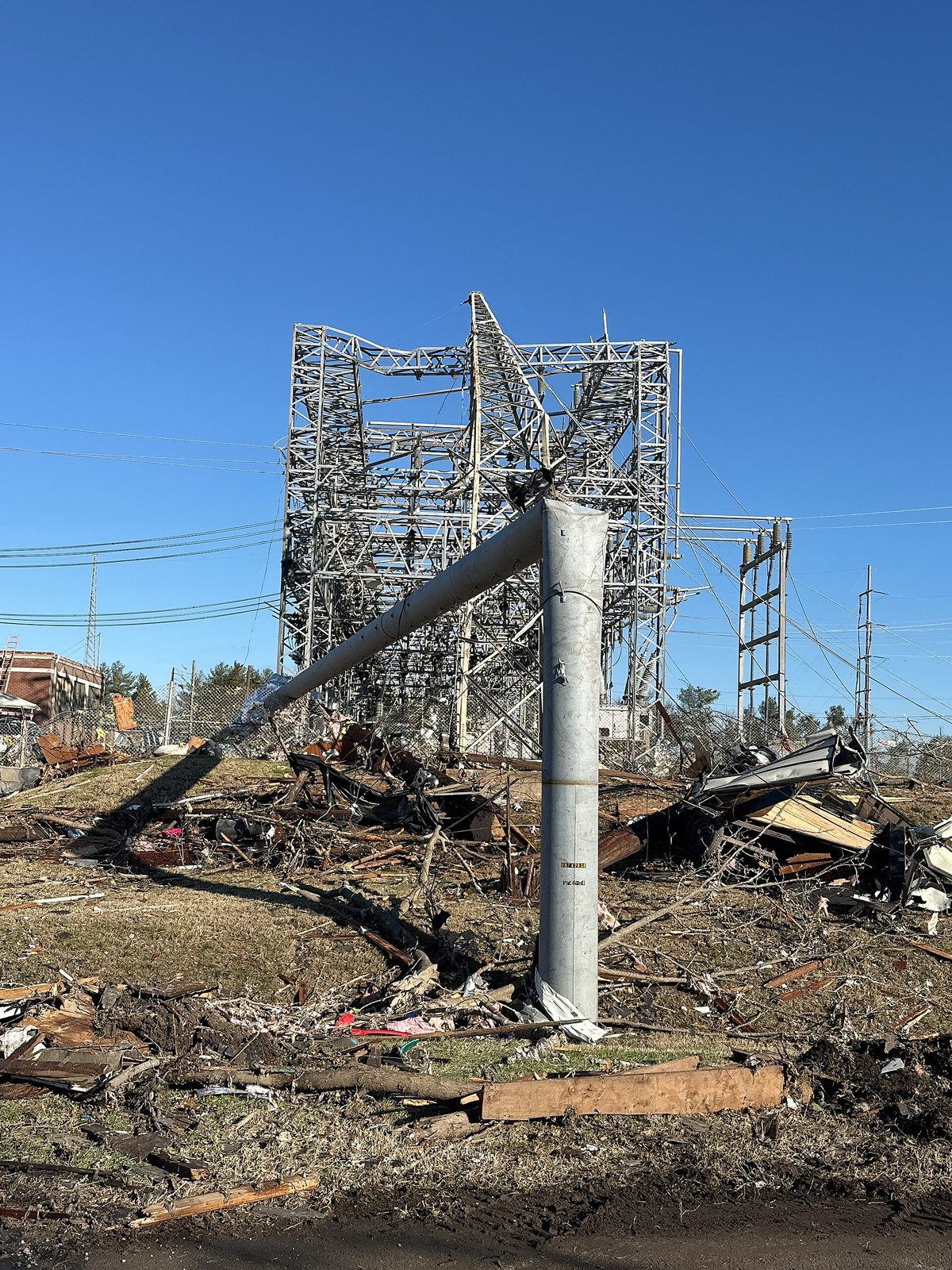
Photo: NOAA / NWS Nashville, Tennessee / US federal government, Public domain · Cropped for layout
This article is an automated aggregation of coverage from news outlets. Our editorials offer in-depth analysis curated by the NewsCord team.
Sudan says RSF used Ethiopian territory to launch drone strikes on civilian infrastructure. Drone strikes hit electrical substations in eastern and northern Sudan, triggering outages.
Save coverage image
Power grid hit
Drone strikes hit three electricity substations in eastern and northern Sudan, and the attacks on Monday caused widespread power outages across parts of the country, according to Al Jazeera. Facilities in New Halfa and Aroma in eastern Kassala state were hit early on Monday, and the al-Ghazali substation in Sudan’s Northern State was also targeted, according to local media. The attacks brought the number of strikes reported to target Sudan’s electricity network to 18 over the past week.
Sudan’s military government claimed that Ethiopia was aiding the paramilitary Rapid Support Forces (RSF) in carrying out the attacks, and it said the army also reported on Monday that RSF members defected by surrendering to its forces in Damazin, the capital of southeastern Blue Nile state. The army added that the group’s commander provided information concerning the management of military operations in Damazin, including “Ethiopian support” for the RSF.
UN and AU complaints
Sudan filed formal complaints with the UN Security Council and the African Union’s Peace and Security Council, accusing Addis Ababa of allowing the Rapid Support Forces to use Ethiopian territory to launch drone strikes against civilian infrastructure and electricity stations, according to Anadolu Ajansı. Sudan’s Foreign Ministry submitted documents showing, according to the government, that the RSF used Ethiopian territory to launch explosive-laden and missile-equipped drones against civilian facilities and vital infrastructure. Sudan described the alleged use of Ethiopian territory as a hostile act and accused Addis Ababa of violating the UN Charter, and it called on Ethiopia to halt hostile actions.
Dabanga Radio TV Online reported that Sudan’s Sovereignty Council said 187 drones had been launched from inside Ethiopian territory in 70 attacks between February and October, and it identified sites including Asosa Airport and the Bahr Dar base as alleged launch locations. Dabanga Radio TV Online quoted analyst Qureshi Awad questioning whether Sudan could establish a credible legal case, saying it had not provided sufficient evidence to prove where the drones were launched.
Evidence and consequences
The Sudanese Sovereign Council’s affiliated advisory body submitted a report containing evidence of Ethiopian involvement in armed drone attacks against Sudan, and it said the report was based on criminal, technical, geospatial, and documentary evidence. The report identified a flight-control computer recovered from a long-range attack aircraft shot down at El-Obeid on September 20, 2026, and it said the memory contained a programmed mission of twelve segments starting at 10.7220 degrees north, 34.7662 degrees east, near Gezani. The report recorded seventy attacks between February 15 and October 27, 2026, attributed to Ethiopian launch areas, and it said the incident annex recorded specified quantities including 187 one-way attack drones and 82 missiles launched by strategic drones.
The report also said Sudan’s analysis of two border data sets identified the programmed takeoff point 1.7 kilometers inside Ethiopia, and it described a route 134.04 kilometers long. The report called on Sudan to verify end users and determine whether related export commitments were breached, and it said Sudan urged the United Nations Security Council and the African Union’s Peace and Security Council to consider the matter promptly and take the necessary steps to ensure all member states comply with international law.