Sudan13 October, 20253 min read
Sudanese Air Force Massacres 20 Civilians at Social Event in North Darfur
This article is an automated aggregation of coverage from news outlets. Our editorials offer in-depth analysis curated by the NewsCord team.
Sudanese Air Force warplanes bombed a social event in El Koma, North Darfur. At least 20 civilians, including women, children, and elders, were killed in the air raid.
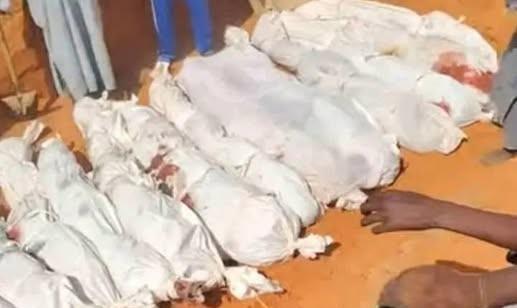
6 outlets told this the same way.
Sudan Conflict and Civilian Impact
African sources report that Sudanese Air Force warplanes bombed a social event in El Koma, North Darfur, killing at least 20 civilians including women, children, and elders. Many more people were injured in the attack, with local leaders calling it a crime against humanity and holding the army leadership responsible. Community bodies also allege that El Koma has been repeatedly targeted with airstrikes and chemical weapons since the war began.
“At least 20 civilians, including women, children, and elders, were killed and many injured when Sudanese Air Force warplanes bombed a social event in El Koma, North Darfur.”
In the wider context, Asian and West Asian sources emphasize the scale and spread of the war across Sudan. They note tens of thousands of deaths, mass displacement, and frequent drone warfare, including in the capital, Khartoum. Together, these accounts highlight both the specific massacre in North Darfur and the broader conflict’s escalating human toll.

Condemnation of El Koma Killings
Local and national bodies have condemned the El Koma killings in the strongest terms. The El Zayadiya Shura Council accuses the army of repeated airstrikes and even chemical weapons use since the war began. The council calls the bombing a crime against humanity and holds army leadership responsible.
The Sudan Founding Alliance (Tasees) describes the attack as part of systematic crimes amounting to genocide. Tasees warns that continued airstrikes will worsen suffering. Displaced Darfuris and refugees in Chad rallied to support the ICC conviction of Ali Kushayb for war crimes and crimes against humanity.

They urge justice and accountability, not revenge, and call for the surrender of other wanted figures, including former president Omar Al-Bashir. West Asian and Asian sources situate these calls within a war marked by widespread hunger, displacement, and ongoing attacks. These attacks include drone strikes in Khartoum.
Conflict and Civilian Impact in Darfur
The massacre in El Koma unfolds amid a war that has reshaped control and intensified risk to civilians, particularly in Darfur. West Asian coverage outlines a fractured map: the RSF controlling Darfur and parts of the south, the army holding the center, east, and north, alongside ongoing long‑range drone attacks and power outages.
“The war has split Sudan, with the RSF controlling Darfur and parts of the south, and the army holding the center, east, and north.”
Asian reporting highlights frequent drone incidents in Khartoum, with air defenses intercepting over a dozen suicide drones and no side claiming responsibility. African and other sources, meanwhile, spotlight Darfuris’ on‑the‑ground reality — from deadly airstrikes on social gatherings to displaced communities rallying for justice — reflecting how civilians in Darfur remain exposed to escalating violence even as battles rage elsewhere.
Conflicting Reports on Attacks
Attribution of responsibility varies depending on the location of the attack. For the El Koma killings, African and other sources report that Sudanese Air Force warplanes bombed the gathering. Local leadership holds the army responsible for the El Koma attack, with allegations of chemical weapons use since the war began.
In Khartoum, Asian reports indicate that neither side has claimed responsibility for that day’s drone attacks. West Asian coverage states that drones have been used mainly by the RSF and that the army shot down most of the latest barrages. These differing accounts highlight that responsibility is clearer in El Koma reports but more contested or officially unclaimed in Khartoum’s drone conflict.
Calls for Justice and Protection
Demands for protection and justice are prominent. The El Zayadiya Shura Council urges authorities and international organizations to protect civilians, document crimes, hold perpetrators accountable, and secure humanitarian access. Tasees frames the bombing as part of systematic crimes amounting to genocide and warns that continued airstrikes will worsen suffering.
“The Council urged Sudan’s political leaders and international human rights organizations to protect civilians, document the crimes, hold perpetrators accountable, and ensure humanitarian aid access.”
Displaced people and refugees rally for accountability, celebrating the ICC conviction of Ali Kushayb and insisting on handing over other wanted figures, including Omar Al-Bashir. Concurrently, regional coverage highlights the extreme risks to civilians, including UN warnings of potential mass ethnic killings around El-Fasher and the broader humanitarian emergency across Sudan. The crisis has also drawn attention from the Saudi cabinet, which is monitoring the situation closely.