Sudan26 July, 20263 min read
Sudanese Army Captures Bara and Three Areas in North Kordofan After RSF Operations
This article is an automated aggregation of coverage from news outlets. Our editorials offer in-depth analysis curated by the NewsCord team.
Sudanese army and allied forces captured Bara and three other areas in North Kordofan. Towns seized include Jabra al-Shaikh and Umm Siyala, securing key supply routes.
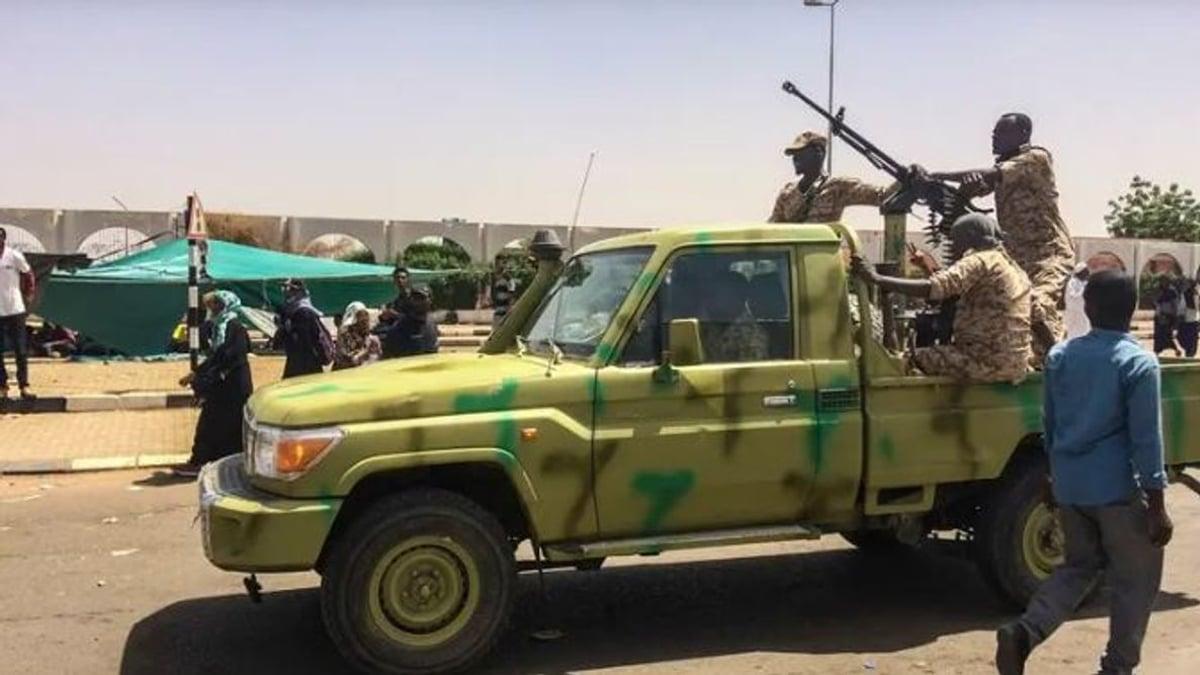
Army takes Bara
Sudan’s Darfur Governor Minni Arko Minnawi said Saturday that the Sudanese army and allied forces captured the town of Bara and three nearby areas in North Kordofan State after operations against the Rapid Support Forces (RSF). In a statement posted on Facebook, Minnawi said the army, Joint Forces and Popular Resistance had taken control of Bara, Umm Garfa, Umm Sayala and Jabra Al-Sheikh, describing the move as “not the end of the battle, but the beginning of a new phase of decisive action.” Anadolu reported that military sources said the Sudanese army and allied forces had seized full control of Umm Sayala near Bara after clashes with the RSF, and that the advances had not been independently verified through official statements from either side as of 1740 GMT.
The reported gains came a day after Sudanese authorities said the army had regained control of the Burbur area south of El-Obeid following an RSF attack that killed 15 civilians and wounded seven others. Anadolu said Sudan has been engulfed in conflict between the army and the RSF since April 2023, a war that has killed tens of thousands of people and displaced nearly 13 million, triggering one of the world’s worst humanitarian crises, according to UN estimates.
Competing narratives
The BBC framed the Saturday advance as a strengthening of the Sudanese army’s positions on the eastern and northern axes leading to El-Obeid, saying the army’s General Command announced it could “liberate the towns of Barra, Jabra al-Shaikh, and Umm Saila” after fierce battles. Minnawi’s Facebook message echoed the same language, with the BBC quoting him: “What has been achieved today is not the end of the battle, but the beginning of a new phase of decisive action.” The Sudanese Army and allied forces said they inflicted losses in personnel and equipment on the RSF, while the Sudanese army had announced the city’s recapture on March 5 of the previous year before the RSF managed to seize it again ten days later, according to the BBC.
The BBC also said the latest army advance does not represent a decisive turning point, noting that the RSF still controls large swathes of Darfur and maintains fighting capabilities in parts of Kordofan, including the ability to carry out long-range attacks using drones. In parallel, the BBC described an American proposal for a 90-day humanitarian pause, reporting that Reuters said the Sudanese government agreed to several terms but insisted that any agreement include the withdrawal of the RSF from all cities it has occupied since May 11, 2023.

Humanitarian and strategic stakes
The BBC linked the military escalation to American moves aimed at achieving a 90-day humanitarian pause as a prelude to negotiations for a permanent ceasefire, describing a UN-backed mechanism to implement limited military withdrawals prioritizing North Darfur and North Kordofan to facilitate humanitarian access. It reported that the UN estimates about 33.7 million people in Sudan will need humanitarian assistance in 2026, and that about 19.5 million Sudanese face acute food insecurity, while the UN warns that about 825,000 children under five could suffer from severe acute malnutrition this year. The BBC said the UN calls on both sides—the Sudanese army and the RSF—to cease fighting and agree on a humanitarian truce that would open safe corridors for humanitarian aid.
Meanwhile, the Anadolu report said North Kordofan has witnessed intensified fighting in recent months and that El-Obeid has come under repeated RSF drone attacks targeting the city’s main power station, fuel depots and other civilian sites. With Bara’s capture described as easing pressure on Al Obeid, the National reported that Bara is less than 50km away from Al Obeid and that the army’s control of the road linking northern Kordofan to Omdurman secures a supply route to the army garrison inside Al Obeid.