South America20 March, 20263 min read
Surovell and team date Monte Verde at 8,000 years ago, revising earliest American habitation timeline.
This article is an automated aggregation of coverage from news outlets. Our editorials offer in-depth analysis curated by the NewsCord team.
Occupation dated 6,300–7,000 years younger than earlier estimates. Study published in Science confirms reevaluation of Monte Verde's age.
Dating Revision
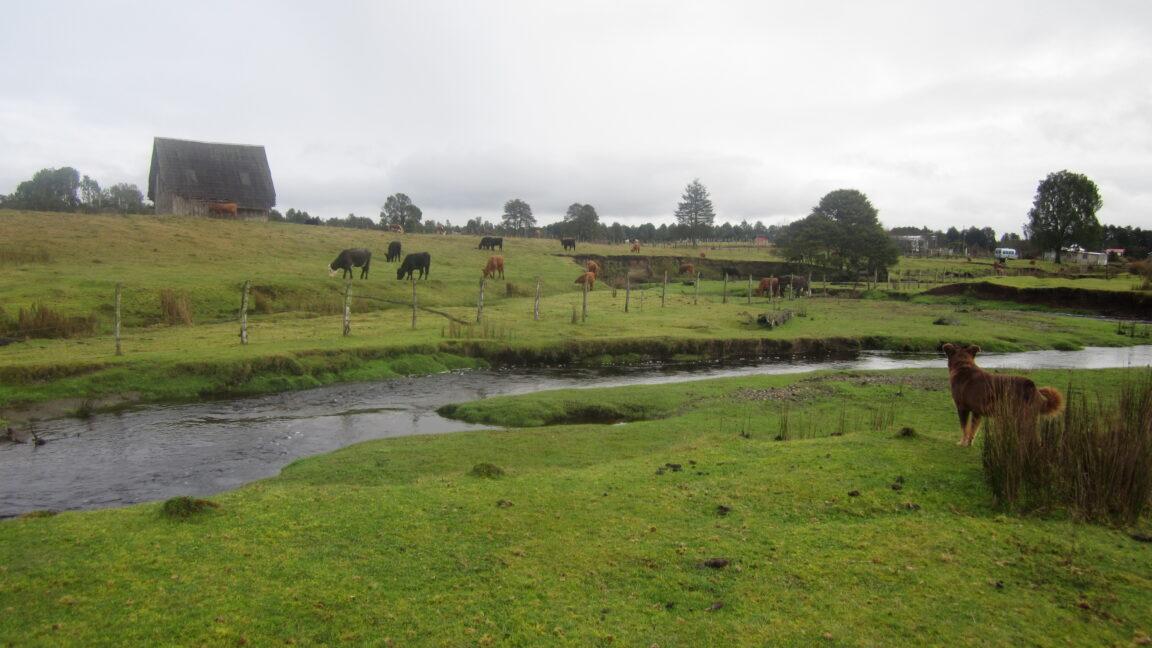
Archaeologists led by Todd Surovell have fundamentally revised the timeline of human habitation in the Americas by re-dating the Monte Verde archaeological site in southern Chile from approximately 14,500 years ago to just 8,000 years ago. This landmark revision challenges decades of archaeological consensus about when the first humans reached the Americas and settled in the Southern Cone.
“A landmark site in the peopling of the Americas is several thousand years younger than we thought. While that means very different things about the site itself, it doesn't change the big picture as much as the researchers who generated the new date are claiming.”
The Monte Verde site, previously considered the oldest evidence of human presence in the Americas and the cornerstone of the 'pre-Clovis' model, has been reinterpreted through new geological analysis. This finding means that the site cannot be older than 8,200 years before present according to the researchers' analysis, fundamentally changing our understanding of the peopling of the Americas.
Methodological Arguments
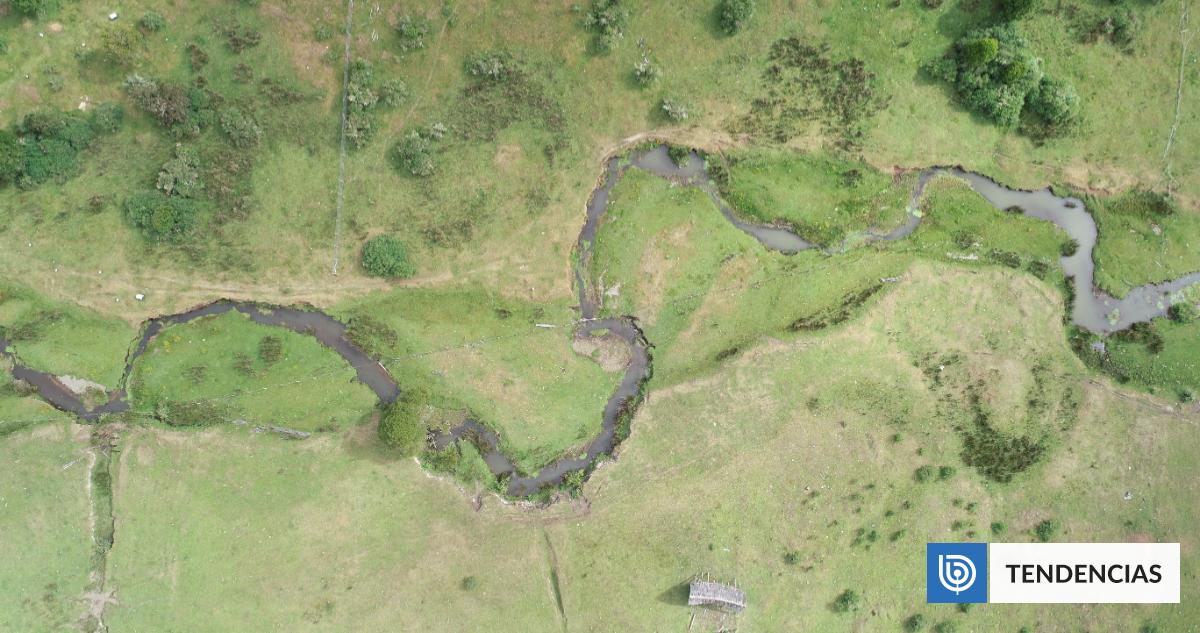
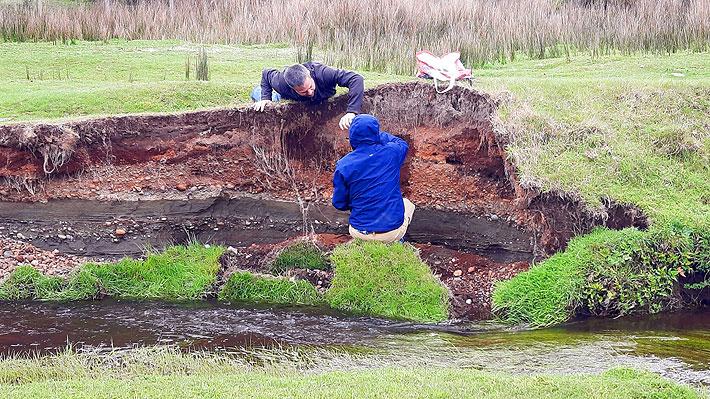
Surovell and his team employed rigorous scientific methods to challenge the original dating of Monte Verde, identifying three key arguments that support their revised chronology. The researchers discovered that materials at the site had been redeposited through natural geological processes, with wood and other organic materials from older layers being transported to younger strata through erosion and fluvial activity.
A critical piece of evidence was the identification of an 11,000-year-old volcanic ash layer that serves as a regional stratigraphic marker, with the Monte Verde artifacts found above this layer rather than beneath it as would be expected for a 14,500-year-old site. Additionally, optically stimulated luminescence dating of sediments showed that the lower layer is 18,000 years old while the upper layer containing the artifacts is only 8,000 years old, indicating an erosion process that removed any intermediate record of ancient human occupation.
Theoretical Impact
The revised dating of Monte Verde carries significant theoretical implications for understanding the peopling of the Americas, particularly regarding the long-standing 'Clovis First' hypothesis. During the 20th century, archaeological consensus held that the first inhabitants arrived approximately 13,000 years ago via the Clovis culture, but Monte Verde's original 14,500-year dating challenged this paradigm and became the emblem of the 'pre-Clovis' model.
“Monte Verde is about as far from the Bering Land Bridge as you can get without leaving the continents, so its age was the first piece of evidence that people were well-established in the Americas before the end of the last Ice Age. But it hasn't been the last, so Surovell and his colleagues' findings don't actually change what we now know about the peopling of the Americas—and they definitely don't put the 'Clovis First' hypothesis back on the table.”
With Monte Verde now re-dated to 8,000 years, the study suggests that human settlement of the Americas followed a more conventional timeline aligned with genetic data and other archaeological evidence. However, researchers emphasize that this revision doesn't completely overturn existing knowledge about early human migration, as other sites continue to support the pre-Clovis model and the broader understanding that humans were well-established in the Americas before the end of the last Ice Age.
Alternative Sites
With Monte Verde losing its status as the oldest site in the Americas, the archaeological focus shifts to other Chilean sites that now represent the earliest confirmed human presence on the continent. According to the researchers, the oldest confirmed sites in Chile would be concentrated in the central and northern regions, including Quebrada Santa Julia at 12,900 years, several sites in the former Tagua Tagua lagoon at 12,700–12,600 years, and other sites in the Atacama Desert with similar chronologies.
César Méndez, deputy director of the Applied Anthropology Studies Unit at the Pontifical Catholic University, explains that these alternative sites now provide more coherent evidence for human migration patterns, aligning Chilean archaeological findings with continental genetic data. The study also notes that artifacts from the re-dated Monte site now make more sense when viewed within the context of Middle Holocene chronology (6,000-8,000 years ago), with similar spear points appearing in shell middens in Chiloé between 5,000 and 6,000 years ago.
Scientific Debate
The scientific community remains divided on the new dating of Monte Verde, with some researchers welcoming the revision while others express skepticism about the methodology and conclusions. The study, published in the prestigious journal Science after rigorous peer review, represents four years of meticulous work that required legal backing and procedures before Chile's National Monuments Council to obtain samples without archaeological excavation.
“The new study was meticulously reviewed by Science before publication and will spark a broad debate among archaeologists, since Monte Verde would cease to be the oldest settlement in the Americas. The researchers caution that Monte Verde should not be singled out when discussing the peopling of the Americas, noting that there are many sites in Chile and in South America that illuminate the peopling, and that Monte Verde, being a more recent site, should no longer be central to the discussion.”
Proponents of the new dating argue that it resolves several archaeological inconsistencies at Monte Verde, such as the scarcity of stone tools that would be expected for working the large amounts of wood originally proposed at the site. However, critics point out that the original researchers who excavated Monte Verde were not involved in this recent assessment, and some suggest that the redeposition theory may be an oversimplification of complex geological processes.