Technology and Science24 August, 20263 min read
Taiwan Prosecutors Indict Nvidia And Super Micro Employees Over Illegal AI Server Exports To China
Nine individuals indicted in Taiwan, including Nvidia Taiwan manager and Super Micro staff. Alleged illegal export of high-end AI servers to China, bypassing U.S. export controls.
11 outlets told this the same way.
Indictments in Keelung
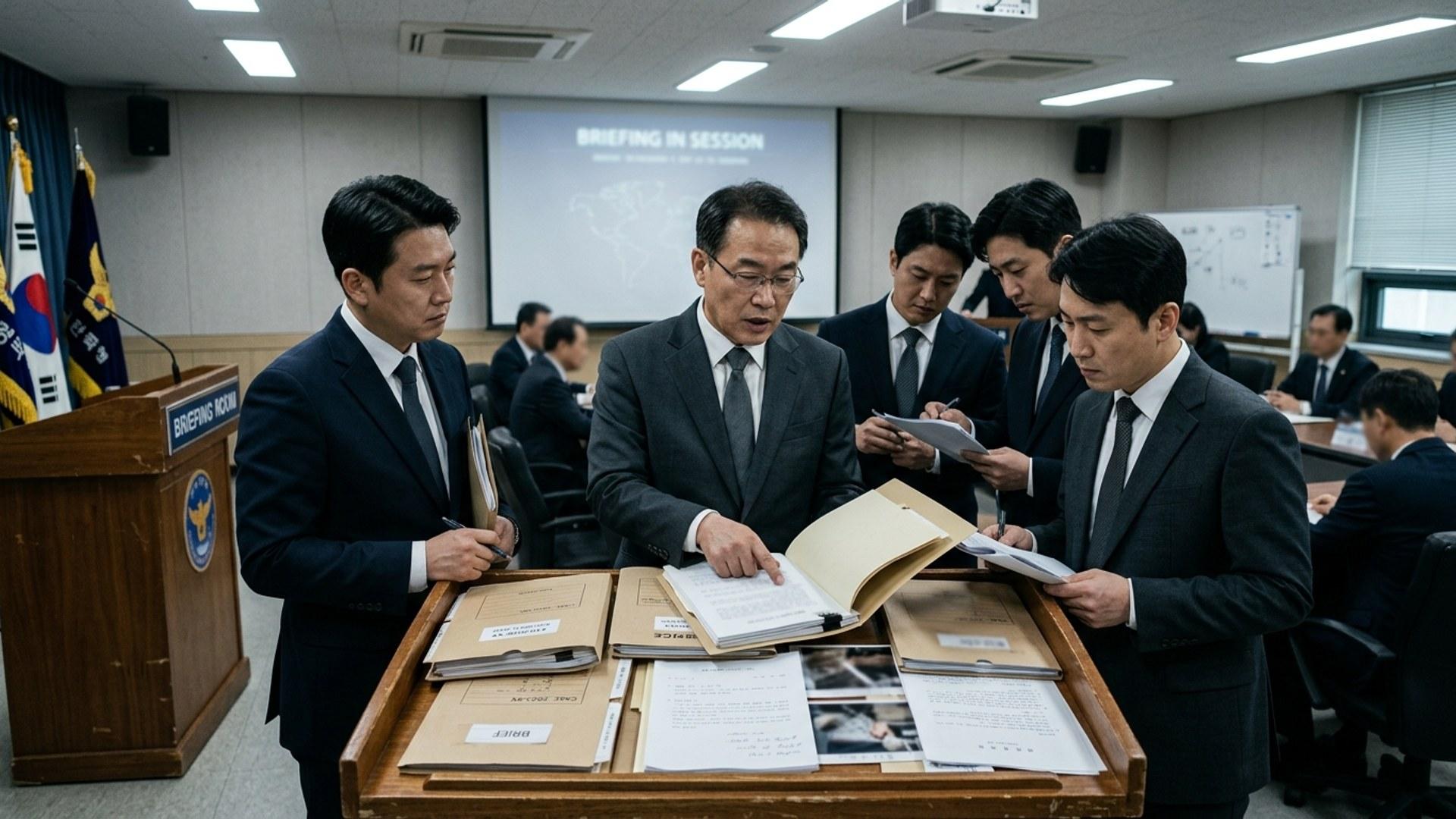
Taiwan prosecutors in the port city of Keelung indicted nine people over an alleged illegal export of artificial intelligence servers to China, including employees of Nvidia and Super Micro, according to Reuters. The alleged scheme centered on 130 B300 servers ordered from Super Micro, with prosecutors saying false end-user documents stated the servers would be installed and used at a rented server facility in Taiwan. Reuters said 74 of the 130 servers were ultimately exported and delivered to Chinese customers through routes that included direct shipments to China as well as transhipments through Indonesia, Japan and Hong Kong, while the remaining 56 were intended for a company in Japan but were stopped after Taiwan customs officials detected irregularities.
In a separate but related case described by Reuters, a ninth defendant was charged with siphoning funds from a distributor company involved, and prosecutors said the defendants were "fully aware" of the export controls and "colluded with one another at various levels for enormous profit". The Taiwan case was also described by Focus Taiwan as involving defendants including a distribution manager surnamed Chang at Nvidia’s Taiwan office and sales managers surnamed Lin and Wang at Supermicro’s Taiwan branch, with prosecutors charging them with breach of trust and forgery.

Inside controls, forged paperwork
Reuters reported that prosecutors said the defendants were "fully aware" that both Nvidia and Super Micro have "rigorous internal control procedures" regarding exports, but that they "colluded with one another at various levels for enormous profit". Ars Technica added that Taiwan’s investigation found co-conspirators attempted to falsify documents to make it appear that 130 B300 servers were installed and in use at a Taiwan facility, and it cited Reuters in saying 74 were exported and delivered to Chinese customers while 56 were blocked after Taiwanese customs officials detected irregularities. Ars also reported that a suspect linked to a related case remains at large, accused of the "siphoning of funds from a distributor company involved" in helping China get access to restricted Nvidia chips.
In the Taiwan indictment coverage, Focus Taiwan said buyers must be on Nvidia’s whitelist and provide documentation on end users and end uses for verification by the two companies, with resale prohibited, and that for orders of more than eight servers sales personnel and technicians were required to conduct site inspections. Focus Taiwan further described how, in February 2025, two men surnamed Chen from Flying Tiger Technology allegedly sought to resell the advanced AI servers for profit after obtaining a position on the whitelist, and prosecutors said they concealed that Chief Telecom lacked sufficient electricity capacity and bandwidth to accommodate 130 servers.
Exports, routes, and penalties
The alleged export routes and quantities were central to the case as Reuters said 74 servers reached Chinese customers via direct shipments and transhipments through Indonesia, Japan and Hong Kong, while the remaining 56 were stopped by Taiwan customs officials. Focus Taiwan said prosecutors alleged the scheme began in February 2025 and that the defendants concealed that Chief Telecom lacked sufficient electricity capacity and bandwidth to accommodate 130 servers, leading Supermicro to agree to sell 130 servers to Flying Tiger. Taiwan News described the investigation as beginning after the Coast Guard Administration uncovered suspected illegal exports of the servers, and it said prosecutors indicted nine defendants on charges including breach of trust, document forgery, and special breach-of-trust under the Securities and Exchange Act.
Taiwan News also reported that prosecutors requested prison terms ranging from 18 months to five years for the alleged server-export offenses, and it said they requested the statutory maximum of five years for Chang and three other defendants. In the related financial allegations, Focus Taiwan said Ho, Lin and Lu were separately charged with aggravated breach of trust under the Securities and Exchange Act, after prosecutors said Ho allegedly issued four false invoices to Lu to conceal the flow of illicit proceeds, resulting in the diversion of about NT$39.16 million in Albatron assets.