Technology and Science21 August, 20262 min read
Tesla Halts Solar Roof Development, Redirects Solar Roof Pages to General Solar Section
This article is an automated aggregation of coverage from news outlets. Our editorials offer in-depth analysis curated by the NewsCord team.
Tesla terminates Solar Roof, will no longer supply tiles, only conventional solar panels. Decision attributed to lack of viability and high costs after a decade since 2016 debut.

Tesla winds down Solar Roof
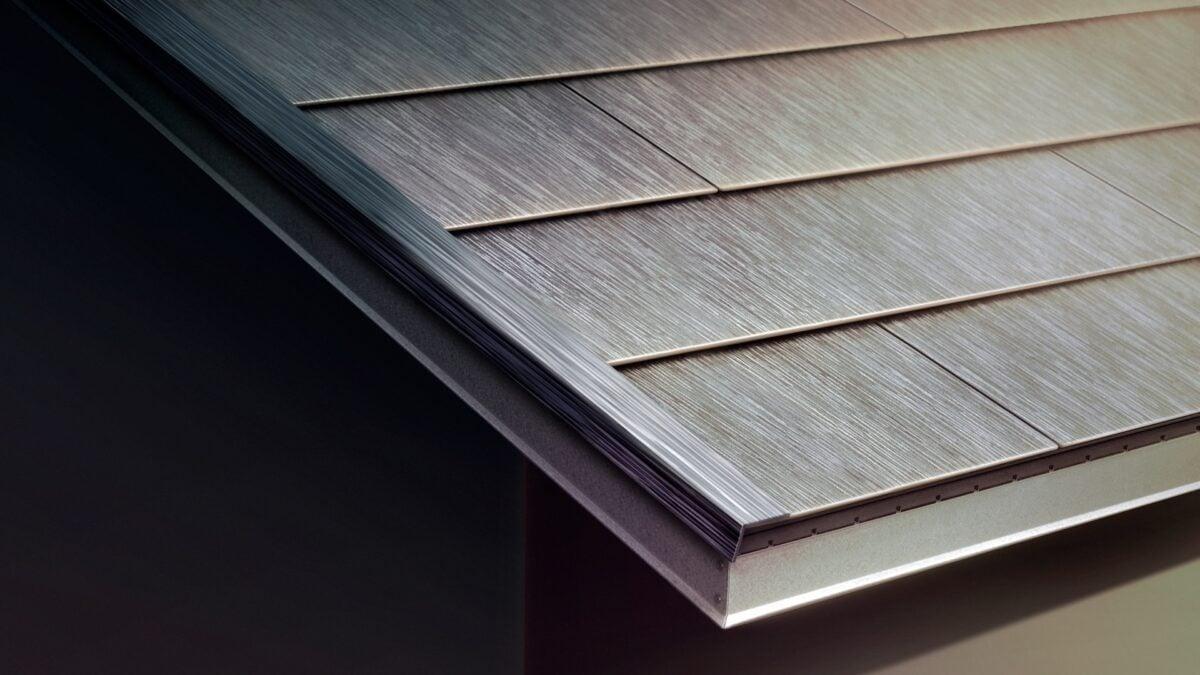
Tesla has effectively halted development of Solar Roof, a solar roofing system with photovoltaic cells embedded in tiles designed to resemble premium shingles, terracotta, or slate, after nearly a decade of high costs and limited demand. TechCrunch confirmed that Tesla’s Solar Roof page now redirects to the company’s general solar energy section, and support pages are being redirected in the same way. At launch, Tesla planned to install up to 1,000 solar roofs per week, but in 2022 the pace was estimated at roughly 20–40 installations per week.
TechCrunch also reported that some installation companies may still offer Solar Roof to customers, with one installer saying fulfillment depends on the schedule of a particular project. The shift away from Solar Roof is framed as a retreat from a product that combined the functions of a roof and a home power plant, which the sources say proved significantly more expensive and complex to manufacture and install than conventional solar panels.

Why the tiles struggled
The sources tie Solar Roof’s slowdown to pricing and manufacturing complexity, with Tesla positioning the system as a way to generate power without installing conventional panels on top of an existing roof. TechCrunch reported that people received quotes of $200,000 to install one, and it also described how the tiles were unique to the system even if the project may have used standard cells. TechCrunch said Tesla had to design and buy its own manufacturing equipment, and when sales didn’t materialize as expected, the per-unit cost of that equipment went up.
TechCrunch also cited reports of non-solar parts warping and roof underlayment melting under direct sun exposure, alongside underproduction concerns that the sources connect to heat. The sources further describe a cooling problem, saying voltage tends to decline by about 0.5% for every one-degree Celsius increase in temperature and that Tesla’s ventilation gap was much smaller than in conventional panel-based systems.
What comes next
Even as Tesla pulls back, the sources say solar roofing has not disappeared entirely, pointing to GAF and Merlin Solar as continuing to develop similar solutions. TechCrunch said two solar installers told it their company was still offering the solar roof, though one said availability would depend on the timeline of the project, suggesting Tesla may be offloading existing inventory. Wood Mackenzie data cited by the sources estimated Tesla installed only around 3,000 solar roof systems over seven years, far below Tesla’s 1,000 installations per week goal.
“GAF and Merlin Solar continue to develop similar solutions.”
The sources also describe Tesla’s broader pivot toward conventional solar systems, with TechCrunch saying Tesla is pushing buyers to its traditional solar panels and that other companies like GAF and Merlin Solar are still angling for the market. In the sources’ framing, Tesla’s decision threatens the integrated solar-roof idea by showing how difficult it is to turn a technologically appealing concept into an affordable mass-market product.