Iran13 September, 20262 min read
Iran’s Judiciary Chief Mohseni-Ejei Joins BRICS Judicial Meetings in New Delhi
This article is an automated aggregation of coverage from news outlets. Our editorials offer in-depth analysis curated by the NewsCord team.
Iran’s judiciary chief participates in BRICS judicial meetings in New Delhi. Tehran Times frames event as Iran using judicial diplomacy amid global power shift.
6 outlets told this the same way.
Outlets did split on Iran Reviews US Negotiation Proposals As Pakistan And Qatar Mediate Strait Of Hormuz Dispute →
Mohseni-Ejei in BRICS
Iran’s Judiciary Chief Gholam-Hossein Mohseni-Ejei visited India at the head of a high-level Iranian delegation and participated in BRICS judicial meetings in New Delhi. The Tehran Times says the agenda included “participation in specialized panels and working groups” and “bilateral meetings with judicial officials from BRICS countries,” alongside discussions on global trade and international legal cooperation.
The Tehran Times frames the visit as an opportunity to move “from being rule-takers to becoming participants in rule-making,” linking judicial diplomacy to economic security through judicial cooperation and enforcement of judgments. In a separate account of Mohseni-Ejei’s role at home, Khabaronline describes a meeting in which a member of the thirteenth government asked whether the current government would deal with derelictions, and Mohseni-Ejei replied that in the case of two convicted ministers “they were not derelict but had committed crimes.”

Radicals clash over Dabash
Khabaronline says Mohseni-Ejei’s remarks about the two convicted ministers were enough to “reopen the wound of the radicals” angry about the imprisonment of those ministers and the Dabash Tea file. In Khabaronline’s description of the media fight, Rajanews criticized Mohseni-Ejei for focusing on verdicts of two ministers who were “18th and 22nd defendants in this case.”
Khabaronline also quotes Mizan News Agency responding to Rajanews by saying “in cyberspace they reacted to this issue,” and it adds that observers asked whether there is a “red line called Dabash Tea corruption” entering national political discourse. The same dispute is echoed in خبرآنلاین, which reports Mohseni-Ejei said the Agriculture Minister “was found guilty in two separate cases,” while Rajanews asked “what is the purpose of reopening cases that were controversial and criticized when announced?”

Judicial priorities and fallout
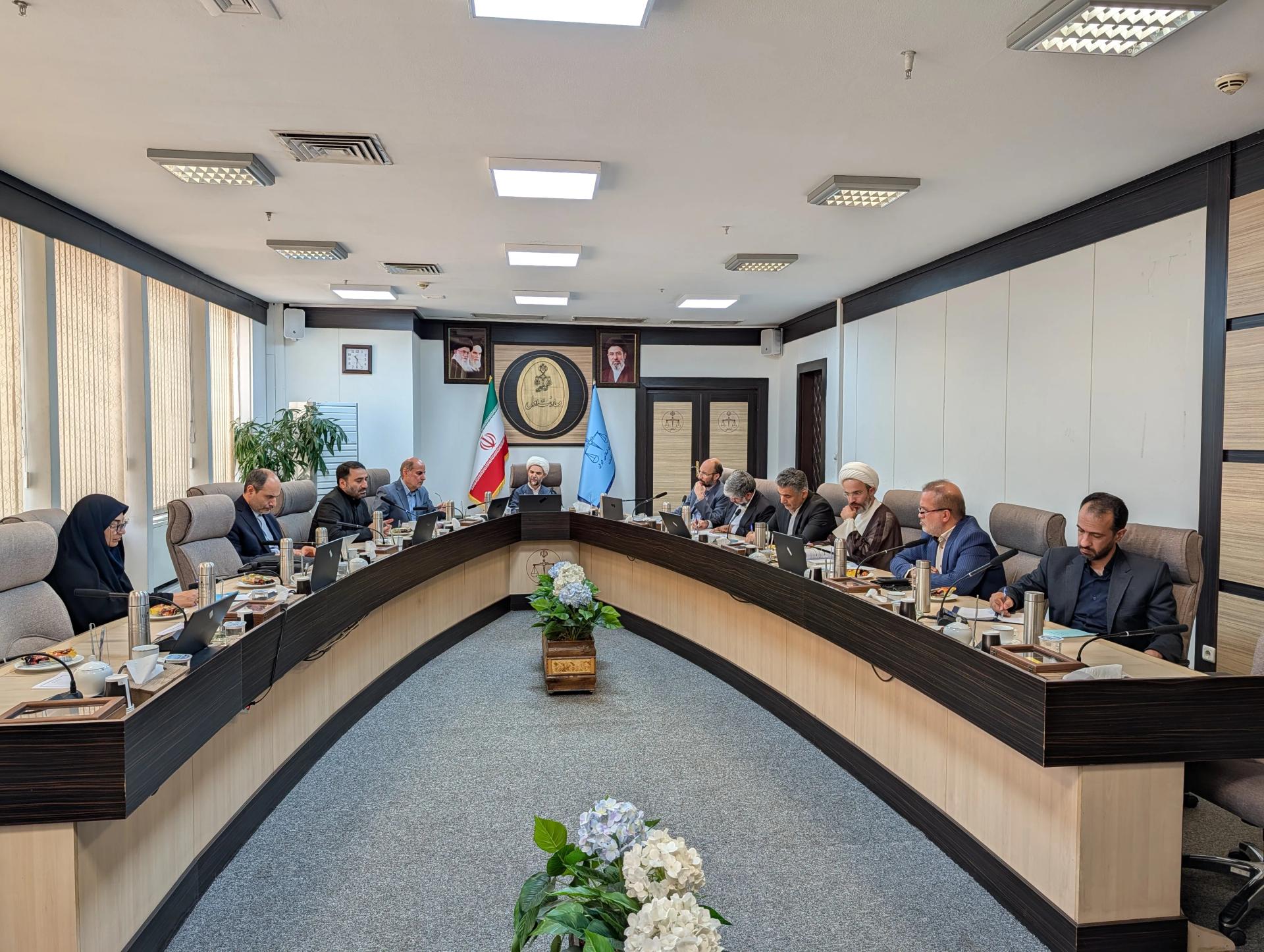
خبرگزاری صدا و سیما reports that Hojjat-ul-Islam wal-Muslimeen Hamzeh Khalili, First Vice President of the Judiciary, said the goal of reforming the productivity system is “to create fairness in evaluation and to encourage real work.” The same report says Khalili emphasized that the new productivity evaluation system should be the basis for measuring actual performance, and that the judiciary is in a “fourth stage” with remaining work until the system is fully completed.
Khabaronline and آخرین خبر both tie Mohseni-Ejei’s public stance to the broader Dabash Tea dispute, with آخرین خبر quoting the head of the judiciary’s response to a question about the previous government’s ministers: “The ministers of the previous government have committed crimes, not merely failed to act.” In Tehran Times’ framing of Mohseni-Ejei’s BRICS participation, the visit is presented as a judicial diplomacy effort connected to global trade and international legal cooperation, with judicial cooperation described as supporting “enforcement of judgments” and other transnational mechanisms.