Iran14 September, 20263 min read
Israeli Army Seizes Ali al-Taher Tunnels, Kills Eight Hezbollah Members in Southern Lebanon
This article is an automated aggregation of coverage from news outlets. Our editorials offer in-depth analysis curated by the NewsCord team.
Israeli army seized Ali al-Tahir tunnels in southern Lebanon. Eight Hezbollah members were killed during the operation.
Ali al-Taher Ridge Seized
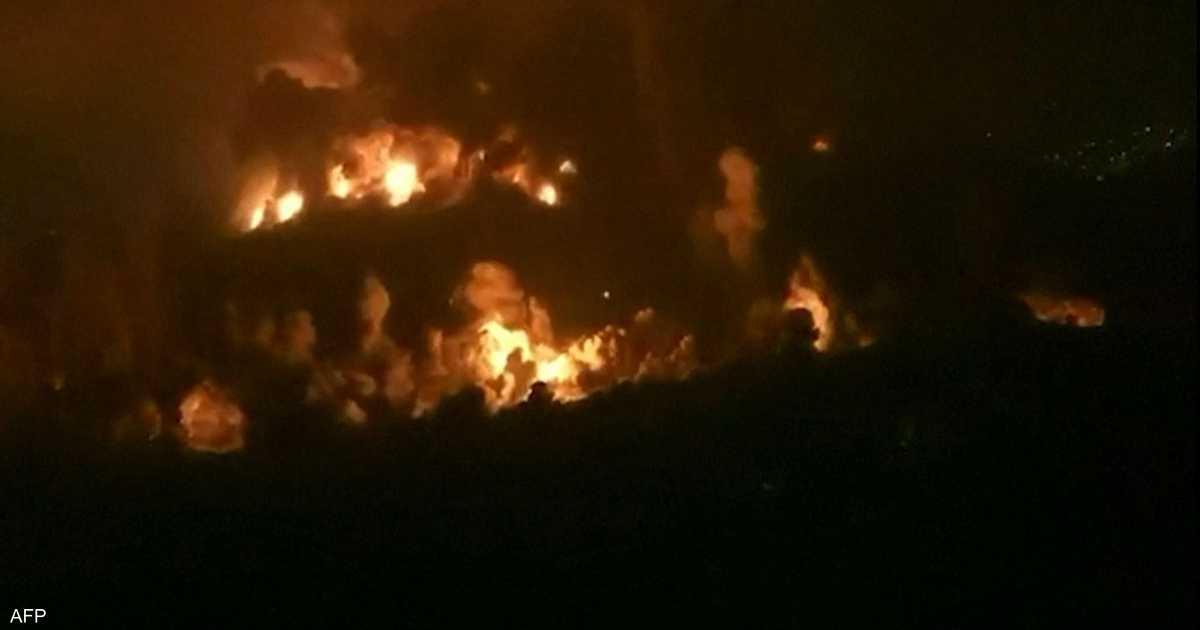
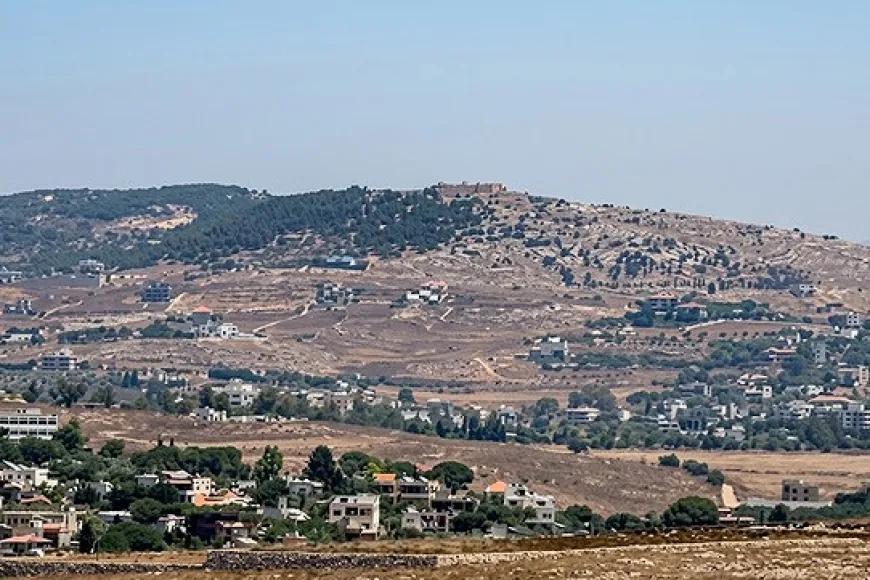
The Israeli army took control of the Ali al-Taher tunnels in southern Lebanon after an operation in which it secured and destroyed Hezbollah’s underground infrastructure on the Ali al-Taher Ridge. The Jerusalem Post said IDF Northern Command sources revealed Hezbollah was attempting to establish a presence within the boundaries of the Yellow Line, with one example cited as the village of Al-Mansouri in the Majdal Zoun municipality. The Jerusalem Post also quoted Prime Minister Benjamin Netanyahu warning Hezbollah on Monday that Israel would retaliate against any attacks, saying, "If you haven't learned the lesson by now, and you choose to attack us again, you will suffer even heavier blows,".
In a separate account, Naharnet said Israel seized the ridge earlier this month and blew up its tunnels with 1,100 tons of explosives, causing what was recorded as a 4.1-magnitude earthquake in the area. Daily Beirut reported that Iran denied any Iranian elements were trapped and said 48 Hezbollah members were in two tunnels that were invaded, while adding that eight of them were killed during the operation.
Iran Denies, Hezbollah Pushback
Iran’s position on the tunnels dispute was presented through Revolutionary Guard-linked denials, with Daily Beirut saying the Revolutionary Guards issued a statement declaring that the accusations about the kidnapping of Iranian elements inside the Ali Tahir tunnels "have no basis." The same Daily Beirut report said the Israeli Channel 14 described circulating reports about Revolutionary Guards remaining inside the tunnel network after Israel took control, while noting Channel 14 provided no independent evidence to confirm those claims. In parallel, The Jerusalem Post said the IDF countered Hezbollah’s encroachment through IAF strikes, artillery fire, and combat engineering units, rather than involving IDF ground troops in the skirmishes it described.
Elnashra quoted Maariv arguing that Hezbollah had not surrendered yet and that "It did not surrender, and it is likely it will not surrender soon," while describing Hezbollah’s understanding that there was "no return" to compare the Ali al-Taheer battle with the Karbala battle. Elnashra also asserted that Hezbollah heard cries for help from about fifty of its fighters in tunnels that the Israeli army had closed in on them, and that Hezbollah understood Iran was no longer at its side.

Security Zone and Next Raids
After the Ali al-Taher tunnel fight, Israel announced it intended to consolidate its military presence on the Ali Taer heights and prevent Hezbollah from returning there, with Daily Beirut citing Israeli Defense Minister Israel Katz saying the region has become part of what Israel calls a "security zone" within Lebanon. Daily Beirut said Katz connected any possible future Israeli withdrawal to the disarmament of Hezbollah throughout Lebanon and described the area Israel wishes to keep as spanning about 700 square kilometers, from the coast westward through the Qalat ash-Shaqif area to Mount Sheikh in the east. i24NEWS said that after Ali al-Tahir, the Israeli army intensified raids and engineering operations in al-Mansouri to prevent Hezbollah from re-consolidating and building a military infrastructure in the area.
i24NEWS described al-Mansouri as lying within the Yellow Line near Majdal Zoun, and said residents were evacuated during the fighting and have not yet returned. The Jerusalem Post added that the IDF had been working to counter Hezbollah’s Yellow Line encroachment for at least five weeks, despite only now making the information public.