Iran13 September, 20263 min read
Iran Launches Remote Work and One Car-Free Day to Cut Gasoline Consumption
This article is an automated aggregation of coverage from news outlets. Our editorials offer in-depth analysis curated by the NewsCord team.
Iran orders remote-work for government staff to cut gasoline consumption. Quotas for pricey cars over 1 billion tomans remain; removal denied.
6 outlets told this the same way.
Outlets did split on Iran Reviews US Negotiation Proposals As Pakistan And Qatar Mediate Strait Of Hormuz Dispute →
Remote work to cut fuel
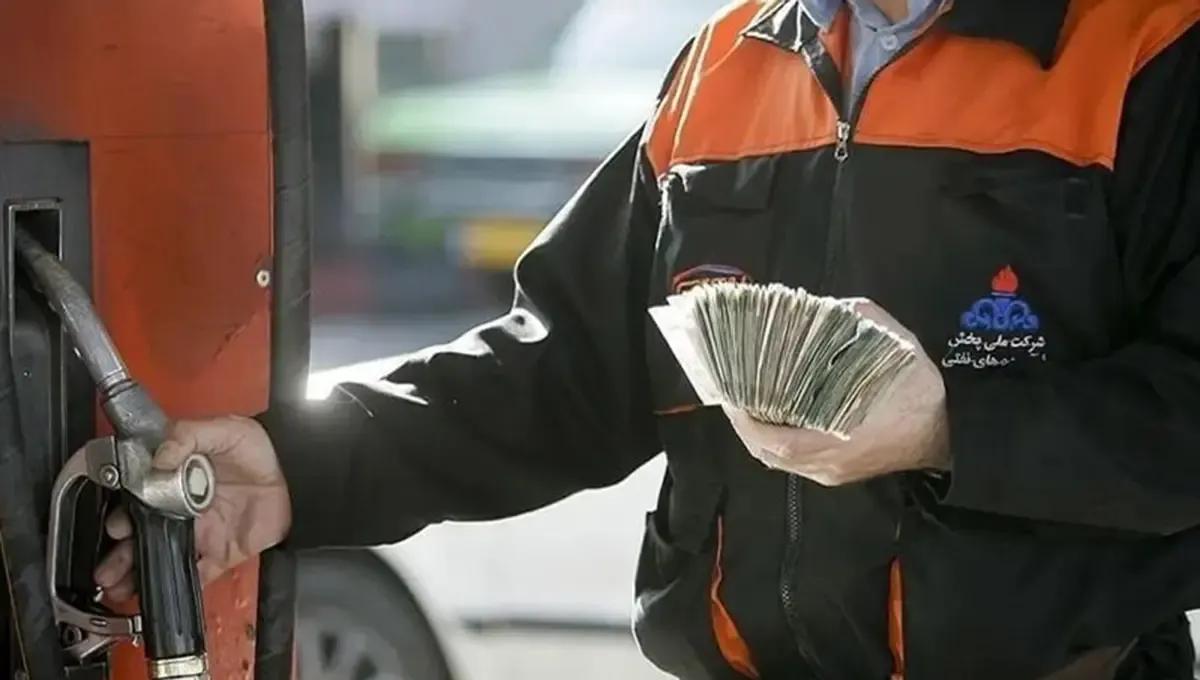
The Iranian government is seeking to implement a remote-work program for its employees to reduce gasoline consumption by having some employees or some government departments work entirely remotely from their homes using computers and the Internet. The plan is paired with a “one car-free day” program requiring government employees not to use their private cars for one day per week and instead use the public transport network to help reduce gasoline consumption. The article says gasoline consumption in Iran recently rose to about 135 million liters per day, while refinery production reached about 112 million liters, with part of the deficit covered by converting petrochemical products.
It adds that at times daily consumption exceeded 140 million liters and even 150 million liters, and that even if refineries operated at full capacity, domestic production alone would not be sufficient to meet consumption. The same source attributes the gap to factors including limited refinery capacity, incomplete modernization, investment problems, and international sanctions affecting Iran’s ability to develop refinery capacity, upgrade equipment, access technology, and attract foreign capital.
Price and quota changes
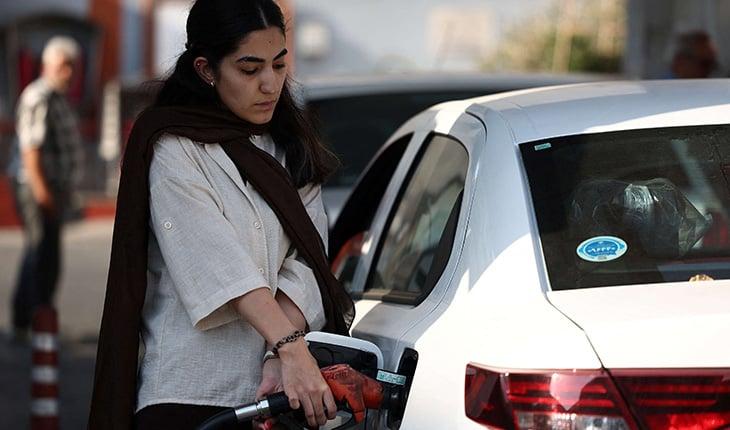
The National Iranian Oil Products Distribution Company denied removal of the gasoline quota for new-number cars, saying the previous quotas remain in place for the majority of private vehicles except government vehicles, imported vehicles, free zones, and second and subsequent vehicles for owners of multi-vehicle households. The denial states that eligible private passenger cars will still receive 60 liters of 1500-toman gasoline and 50 liters of 3000-toman gasoline monthly, while it says the issue of increasing the price cap for vehicles over 1 billion tomans is being examined in a related working group. The Smart Fuel System administrator said domestically produced and CKD cars valued at more than one billion tomans that have recently been numbered will not be eligible for gasoline at the first- and second-tier prices of 1,500 and 3,000 tomans, and their quota will be calculated at the third-tier price.
That same report says zero-kilometer cars will receive 110 liters of gasoline per month at the price of 10,000 tomans, with the quota loaded onto the vehicle’s Smart Fuel Card. It also says the cap on the 1,500-toman gasoline quota in fuel cards is set at 180 liters, and that this reallocation change means owners of vehicles that would otherwise qualify will not be able to access 1,500- and 3,000-toman gasoline.
Conflicting announcements and anxiety
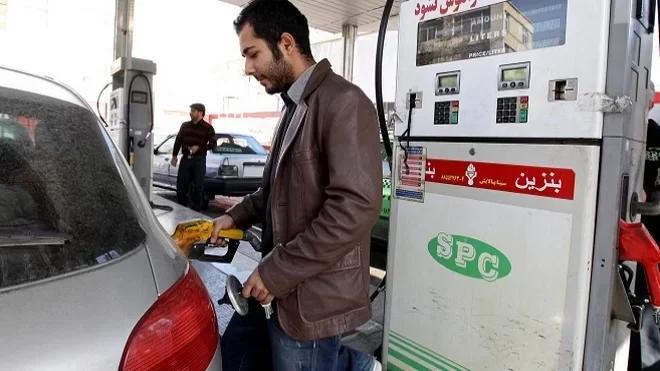
The Eghtesad News Agency report says it was the second time in the past month that news about gasoline is announced and then denied, describing how the head of the Fuel Smart System announced at 3:00 PM that new-numbered cars with prices above one billion toman would not receive the 1,500- and 3,000-toman fuel quotas. It says hours later the National Iranian Refining and Distribution Company uploaded a press release at 21:48 stating that the issue of raising the ceiling beyond one billion toman is under review and that only the third rate from 5,000 to 10,000 tomans has increased. The same report recounts an earlier “87,000-toman gasoline saga” in Kerman Province, where the Deputy for Coordinating Civil Affairs of Kerman Province announced gasoline would be supplied at 87,200 tomans per liter from 22:00 before the plan was stopped and supply continued as before.
It adds that Masoud Pishgian said in a television interview that gasoline would not become more expensive than 10,000 tomans, and that later the head of the Plan and Budget Organization said it was decided that from then on only the government spokesperson would announce policies and the deputy minister of oil would comment on technical matters. The report then links the repeated confirmations and denials to public concern, citing ISPA polling results that show more than 66% of Iranians are worried about energy shortage and its bottlenecks.