Iran · updated 1h ago · 2 min read
White House Official Says Iran’s Hormuz Influence Is Shrinking Week by Week
Iran's influence over the Strait of Hormuz is waning week by week. Oil flows through Hormuz at 10–11 million barrels per day and rising.
US claims traffic is improving, while tracking shows single-digit transits.
8 of 9 outlets skipped it: iran lists 77 ships it says violated its Hormuz protocols.
15outlets compared
Same story, two versions
tap a side to read it in full
Al Jazeera
“we’re back to two-thirds or north of two-thirds of the previous flows.”Read the original ↗
Reuters
“Commodity vessel transits through the Strait of Hormuz fell to a single digit per day”Read the original ↗
Highlights competing measurements of flow levels affecting market confidence.
Hormuz Pressure and Oil Flows
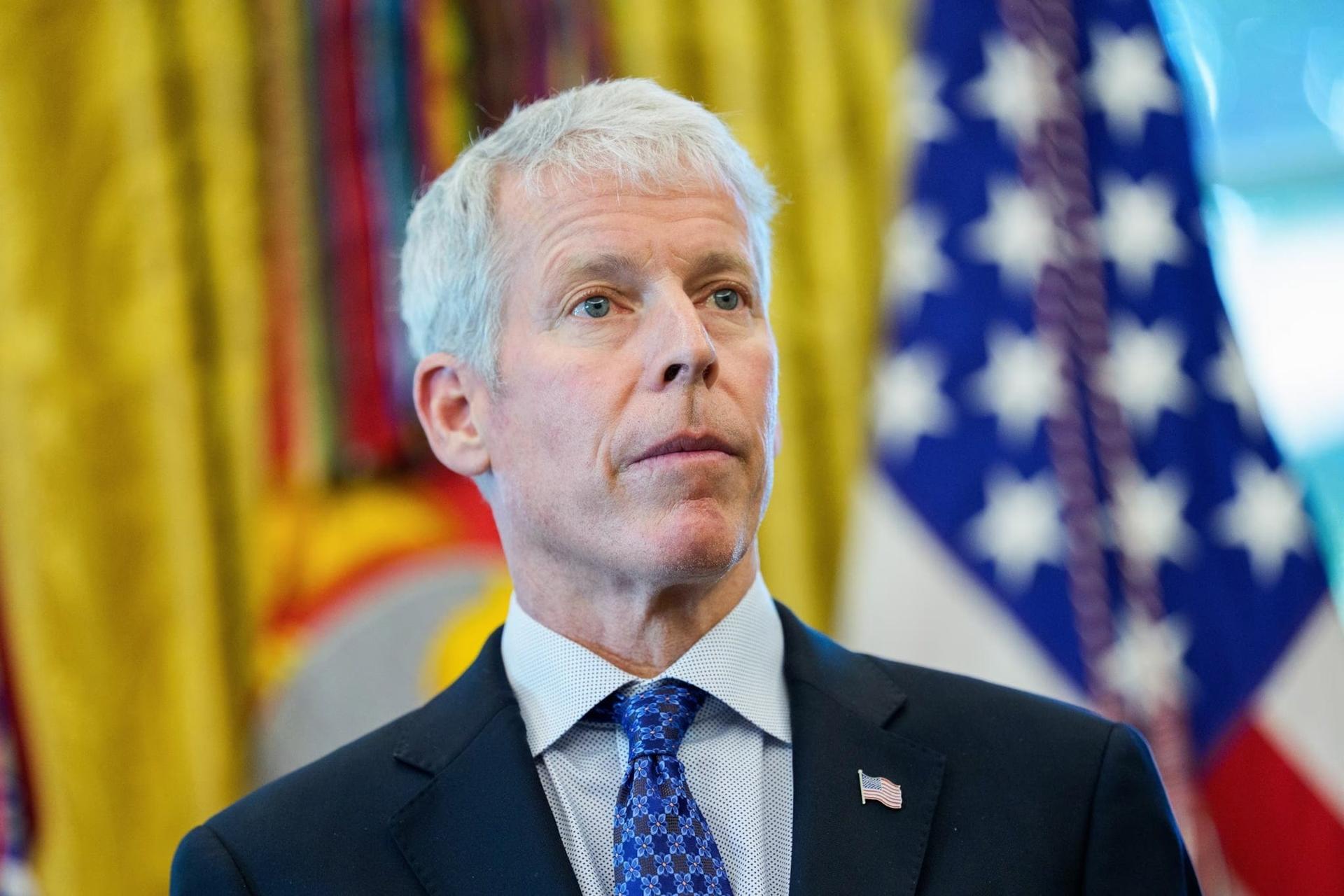
A senior White House official said oil is flowing through the Strait of Hormuz at a rate of between 10 and 11 million barrels per day, adding that Iranian influence over the strait is shrinking week by week.
“oil is flowing through the Hormuz Strait at a rate of between 10 and 11 million barrels per day”
The same official, cited by Agence France-Presse, said alternative routes laid out by the U.S. Navy are bearing fruit and pointed to the Iranian currency falling to a record level while inflation is hitting its all-time high.

The official also predicted, “one way or another,” the Iranian regime would abandon, wholly or partly, its quest for nuclear weapons.
In parallel, the U.S. military said it has escorted 1 billion barrels of oil out of the Persian Gulf through the Strait of Hormuz in the last couple months, and Adm. Brad Cooper said there have been more than 2,000 commercial ships transit the strait under U.S. protection.
Trump, Visas, and Gulf Talks
The White House official said Washington has granted entry visas to some members of the Iranian delegation attending United Nations General Assembly meetings and noted the delegation will be smaller in size compared to last year.
The official also said President Donald Trump values Gulf partners and will meet with them to hear their concerns, stressing the importance of maintaining diplomatic engagement with them as a group.

Trump signed a sanctions bill into law after it was approved in Congress, expanding sanctions, tariffs, and a ban on Russia while extending existing sanctions on Iran.
The legislation gives Trump authority to impose tariffs of up to 100% on major buyers of Russian oil and gas, and the House of Representatives approved the bill on Thursday after passage in the Senate in August.
Escalation, Readiness, and Stakes
An Iranian political adviser, Mohammad-Bagher Zolghadr, said Iranian fighters “will not open the Strait of Hormuz until the criminal Donald Trump and the butcher Benjamin Netanyahu are removed from power,” calling it “the first stage of our people’s revenge.”
“will not open the Strait of Hormuz until the criminal Donald Trump”
Zolghadr also said the Iranian population had resisted an assault intended to defeat the country within days and described that objective as “a false illusion.”
In a separate declaration, Brigadier General Hassan Hassanzadeh, commander of the IRGC in Greater Tehran Province, said the Iranian Armed Forces had reached a higher level of readiness to answer any further attack and that production and development of Iranian missiles and unmanned aerial vehicles were proceeding continuously and “at full speed.”
The same IRGC commander said missile forces, drone technology and air-defense systems were central components of the program intended to guarantee Iran’s highest possible level of combat readiness.