Full story
Apache Down, Strikes Follow
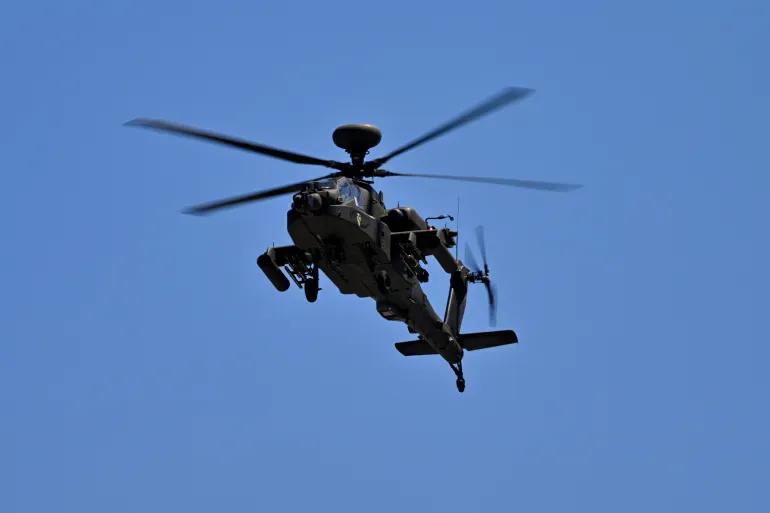
U.S. President Donald Trump blamed Iran for downing an Army AH-64 Apache attack helicopter during a patrol near the Strait of Hormuz, and the U.S. military launched airstrikes as Iran retaliated Wednesday.
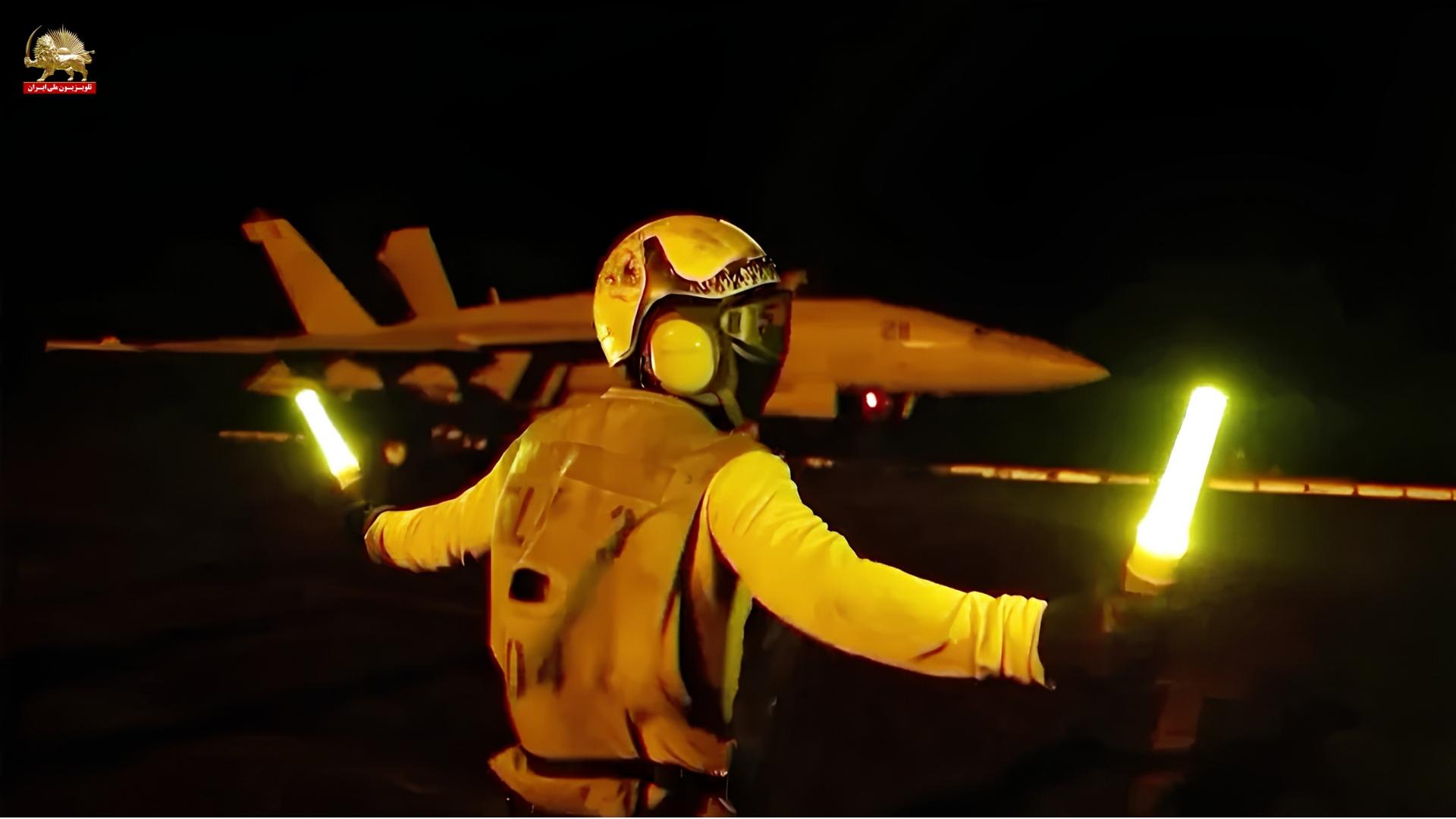
The U.S. Central Command said its fighter jets conducted strikes targeting “air defense, ground control stations, and surveillance radar sites,” and Iran acknowledged strikes around Bandar Abbas and Qeshm Island without giving details on damage.

Iran also said it targeted an air base in Jordan hosting U.S. forces, a move that was not immediately acknowledged by American or Jordanian officials.
The crash triggered a rescue operation in which a drone boat rescued two aviators at 3:30 a.m. local time Tuesday, about two hours after the aircraft went down during a patrol off the coast of Oman, and Trump said both service members were “safe and uninjured.”
Gulf States Sound Alarms
After the U.S. strikes, Iran launched attacks in Bahrain and Kuwait, where both sounded alerts and fired air defenses in response, while Jordan reported it intercepted five Iranian missiles.
Bahrain Defense Forces said that “Iran continued its systematic hostile approach through its criminal missile and drone attacks targeting civilians,” and it added that its air-defense systems succeeded in intercepting and destroying Iranian aerial attacks.

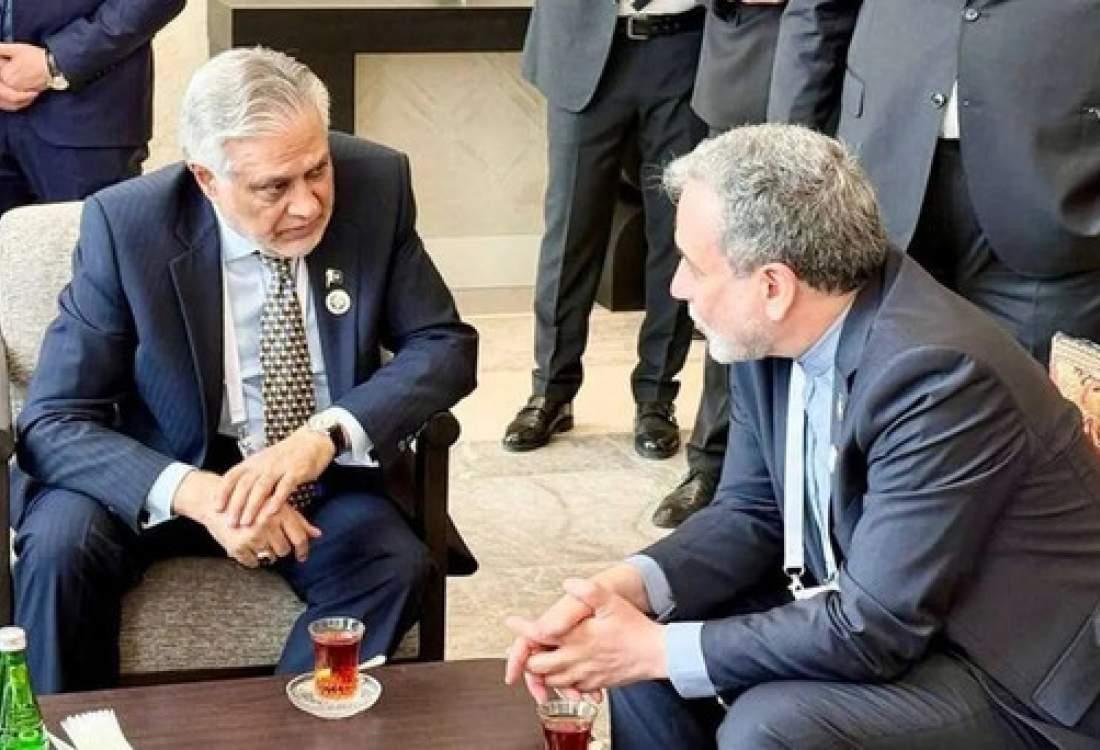
Iran’s Foreign Minister Abbas Araghchi said foreign forces near Iran’s territory “are at constant risk” and later vowed that there would be a response to the new U.S. strikes.
The clash also fed into the fragile ceasefire calculus, with NBC News reporting that the Strait of Hormuz was closed for all ships and that any ships trying to transit will be targeted, citing an Iranian military statement posted on Telegram by the state-owned IRIB news agency.
Ceasefire, Negotiations, and Costs
The renewed exchange of strikes came as officials struggled to turn the April ceasefire into a deal to permanently end the conflict, with AP saying the war has shaken the global economy and driven up energy prices while making basics like food more expensive.
“Fighting between the United States and Iran has escalated once again, spreading beyond the Strait of Hormuz and drawing Gulf states into the confrontation, after a US Army helicopter crashed near one of the world’s most strategically important waterways on Tuesday”
AP also reported that officials have been unable to convert the ceasefire into a permanent end to the conflict “particularly as Israel intensifies and expands its military campaign in Lebanon against the Iranian-backed militia Hezbollah,” linking the Iran fight to wider regional pressure.
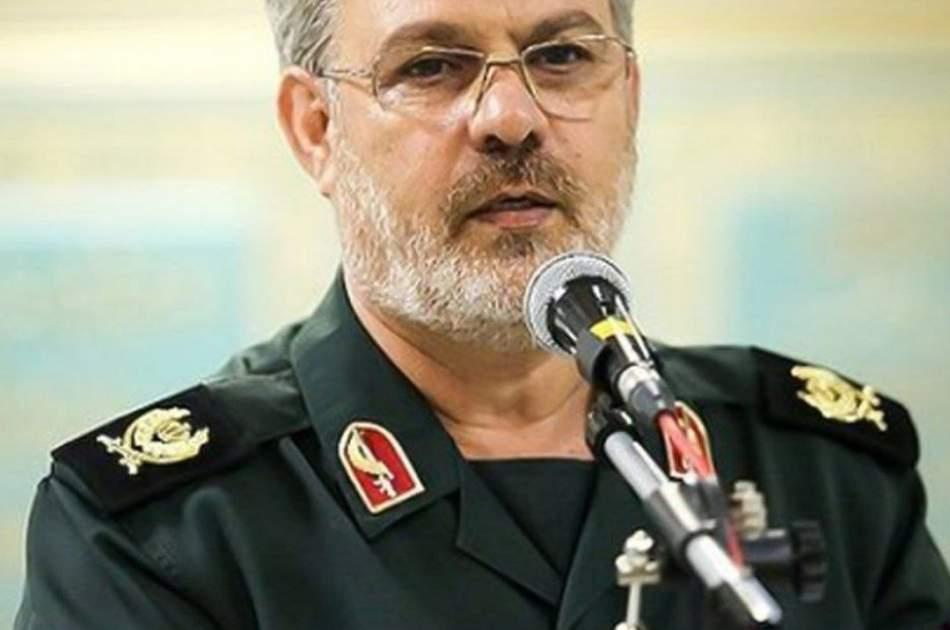
In Washington, NBC News said Defense Secretary Pete Hegseth told reporters at Central Command headquarters at MacDill Air Force Base in Tampa, Florida that the U.S. military will be attacking Iran tonight, and he said the U.S. has been “protecting commercial shipping going through the Strait of Hormuz.”
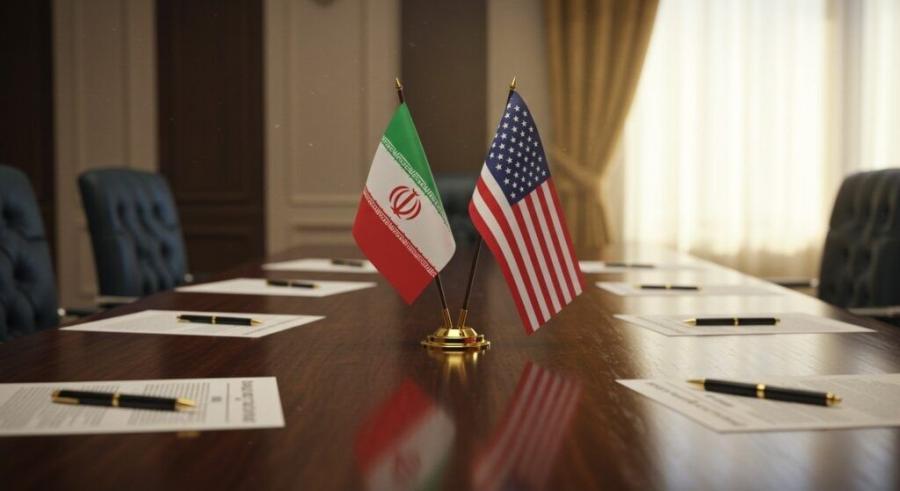
The stakes for diplomacy were underscored by the way both sides framed the next steps, with Araghchi warning that foreign forces should leave and with Trump insisting the U.S. “must, of necessity, respond to this attack,” even as the two sides remained in talks without a deal emerging.