Russiaupdated 7m ago3 min read
Trump Agrees With Vladimir Putin To Expand Russian Diesel Exports, Easing Sanctions
This article is an automated aggregation of coverage from news outlets. Our editorials offer in-depth analysis curated by the NewsCord team.
Trump and Putin agreed to Russian diesel exports; 300,000 tons immediately, with shipments planned. The deal drew bipartisan backlash in the U.S. and risked undermining sanctions on Russia.
59 outlets told this the same way.
Diesel deal and an energy ceasefire
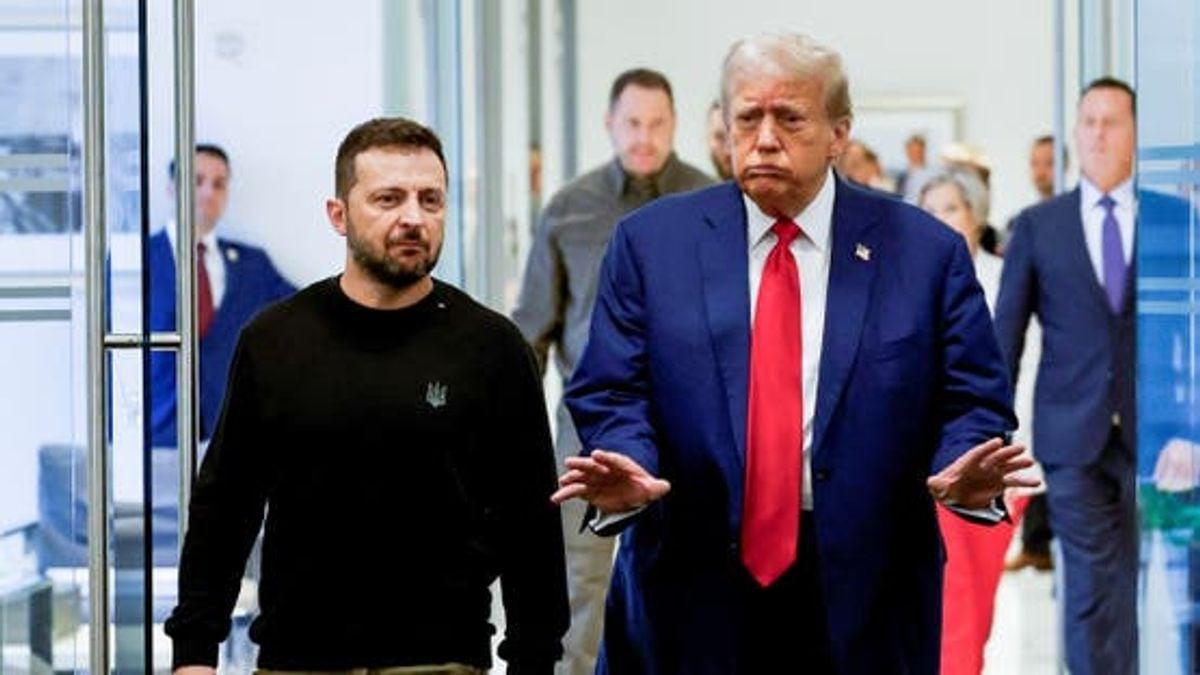
Donald Trump pursued a five-day campaign of diplomatic concessions and cover for Russia after speaking with Vladimir Putin on Friday, including an agreement to unleash millions of tons of Russian diesel onto global markets and easing sanctions designed to starve Moscow's war revenues. Trump then lashed out at Volodymyr Zelensky for striking Russian refineries and demanded that Kyiv replace its leader, before declaring an immediate "energy ceasefire" on Sunday.
Russia’s Alexander Novak told a news programme Vesti that Russia could reach supply volumes of 3.5 million tonnes per month to global markets by the end of the year, "just as was the case before the crisis," while Trump’s deal was described as expected to bring 300,000 tonnes of diesel to global markets in October, half a million tonnes in November, and a million tonnes in December. Trump also framed the dispute as a matter of American costs, posting "Diesel Prices for Americans and, indeed, the World, will be COMING DOWN, IN RECORD NUMBERS, AND FAST!" as Europe reacted by backing Ukraine and placing war funding "front and centre" of a European Council summit.
Europe splits over pressure
European leaders prepared to demand tougher sanctions on Moscow at a summit on Thursday, as EU governments rejected Trump’s claim to have secured an energy ceasefire between Russia and Ukraine. Polish Prime Minister Donald Tusk told a security conference in Warsaw on Monday, "Russia is not interested in deescalation, ceasing fire or peace," and he said he would ask partners to consider seriously increasing sanctions against Russia.
Kaja Kallas said Brussels wanted to see clear evidence that Moscow intended to respect the proposed halt to attacks on energy infrastructure, and she said, "We haven’t yet seen that also Russia will stick to it." Friedrich Merz argued that "Russia will only negotiate in good faith under pressure," and he said that after Moscow's attacks on Ukraine's civilian energy supply, Europe must even tighten sanctions further.
Numbers, assets, and what’s at risk
Russia and European officials clashed over the scale of energy flows, with Russia saying European Union countries bought $320.7 billion worth of its energy resources since 2022 and European Commission figures putting the number at $209 billion from March 2022 to July 2026. Alexander Novak said Russian hydrocarbons deliveries to Europe continued despite sanctions-related restrictions, adding, "we continue to supply energy resources in certain areas for which exemptions have been granted," while Swedish Foreign Minister Maria Malmer Stenergard contrasted Russia’s figure with the 218.7 billion euros ($244 billion) in support the EU had sent to Ukraine.
“‘For the period from 2022 to today, this figure amounts to $320.7 billion.”
Trump also posted on Truth Social that "The European Union paid Russia 250 Billion Dollars for Energy," and he said he made the right choice for the American people, as Scott Bessent accused Europeans of "hypocrisy" for continuing to finance Vladimir Putin while criticizing the diesel agreement. The dispute over energy and sanctions played out alongside a broader economic warning from the International Monetary Fund, which said eurozone growth was expected to slow to just 1.1% in 2026 as Russia’s war against Ukraine and escalating conflict in the Middle East push energy prices higher.