
USA · 10 August, 2026 · 3 min read
Trump Extends Jones Act Waiver 90 Days, Narrows Foreign Ship Rules for U.S. Ports
Extends Jones Act waiver for 90 days enabling foreign-flag ships to move energy between ports. Narrowed scope requires voyage-by-voyage reviews of exemptions.
Predicted impact on retail gasoline prices is disputed.
9 of 10 outlets skipped it: cato says Congress should change the Jones Act rules.
10outlets compared
Same story, two versions
tap a side to read it in full
MMezha. Новини України.
“The expected reduction may amount to only a few cents per gallon.”Read the original ↗
The Hill
“Past analyses have found that waiving the Jones Act could have a modest impact on bringing down gasoline prices”Read the original ↗
Shows competing assessments of consumer price benefits and political stakes.
90-Day Extension, Narrowed
President Donald Trump extended for 90 days a waiver from the Jones Act, which allows foreign-flagged vessels to transport oil and other cargo between U.S. ports, and the decision was finalized on August 10. The move takes effect on August 17 and comes as the war with Iran disrupts global crude oil supplies and contributes to rising fuel costs, with the administration aiming to ease logistical constraints and curb further increases in gasoline and other energy prices. White House spokeswoman Taylor Rogers said the extension is intended to ensure uninterrupted access to critical resources for the U.S. military and key industries.
The updated rules narrow the scope of the relief by requiring each voyage by a foreign vessel between U.S. ports to be considered separately, rather than allowing broader blanket exemptions. U.S. government data cited in the coverage says approximately 208 Jones Act waivers were issued during the roughly four-and-a-half-month period ending August 3.
Pushback and Case-by-Case
The White House said the narrower approach follows pressure from domestic shipbuilders and their allies in Congress, who warned that waivers allow foreign ships to erode the U.S. maritime industry.
The Hill reported that the administration limited the waiver to certain commodities, including gasoline, diesel, crude oil, petrochemicals, natural gas and fertilizer, and required the Defense Department to consult with the U.S. TMaritime Administration on whether Jones Act-compliant vessels are available before deciding whether the waiver applies to an individual voyage.
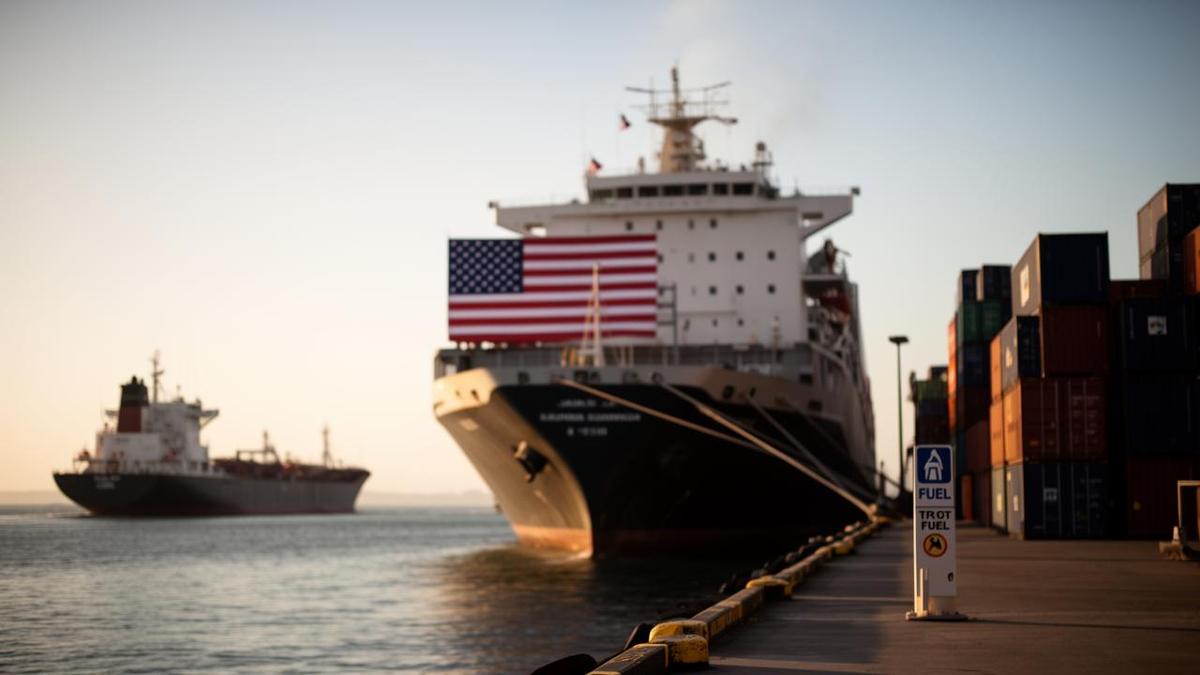
In a statement, Taylor Rogers said, “Data shows the waiver has driven a significant increase in domestic deliveries of essential products such as gasoline, diesel, and jet fuel.”
Kristin Whitman of the American Petroleum Institute praised the administration’s action, saying, “We commend the administration’s leadership in extending the Jones Act waivers, a critical action that will keep American energy moving.”
Other coverage also framed the change as a shift away from blanket exemptions toward voyage-by-voyage review, with the Pentagon consulting the Maritime Administration to decide which voyages are exempt from the 1920 law.
Markets, Midterms, and Stakes
The extension is positioned against fuel-price pressure tied to the Iran war, with the Hill citing that as of Monday the average U.S. gasoline price was about $4.01 per gallon, according to AAA.T
CNBC reported that the newest 90-day extension should last until mid-November, past the date of the midterms, while also noting that the latest extension was narrowed to apply only to vessels hauling certain energy resources.
The Hill said past analyses found that waiving the Jones Act could have a modest impact on bringing down gasoline prices, and it cited a JPMorgan projection that a Jones Act waiver could save East Coast drivers about 10 cents per gallon.T
Coverage also said the waiver has been used heavily since March, with U.S. Maritime Administration data referenced as showing 210 voyages completed that otherwise would have been deemed unlawful.
The stakes described in the reporting include whether the policy can keep energy moving and reduce price volatility while also addressing concerns from the U.S. maritime industry that foreign operators gain more than consumers.