Iran26 March, 20262 min read
Trump Extends Strike Deadline To April 6, Demands Iran Dismantle Nuclear Program And Limit Missiles
This article is an automated aggregation of coverage from news outlets. Our editorials offer in-depth analysis curated by the NewsCord team.
Trump extended the pause on striking Iranian energy facilities to April 6 at Tehran's request. Deadline to reopen Strait of Hormuz extended to April 6 amid negotiations; Iran tightens control.

New extension and peace framework
Trump’s latest move reframes the crisis as an extended negotiating phase rather than a pure escalation: he has extended the deadline for striking Iranian energy infrastructure to April 6 at Tehran’s request, while the White House touts a 15-point peace framework as the path forward. The 15-point plan reportedly includes sanctions relief, a rollback of Iran’s nuclear program, limits on missiles, and the reopening of the Strait of Hormuz.
“Energy strikes: President Donald Trump said the US will hold off on targeting Iranian energy sites another 10 days as 'talks are ongoing' with Tehran.”
Iranian officials say they are reviewing the U.S. plan but publicly deny they are negotiating in formal terms. Non-Western outlets flagged skepticism about Washington's willingness to negotiate despite the appearance of talks.
Demands and counterproposals
On substance, the U.S. approach is explicit: sanctions relief in exchange for steps toward ending the war, including dismantling components of Iran's nuclear program, limits on missiles, and reopening Hormuz, according to intermediaries. Iran's counterproposal reportedly centers on a halt to killings of Iranian officials, war reparations, an end to the fighting, and Iran’s sovereignty over the Strait of Hormuz.
Analysts note that Tehran seeks robust guarantees against renewed attacks, and that public posture in Iran remains wary of making concessions. Iranian observers warn that U.S. terms are still perceived as coercive, even as talks continue.

Leverage and Hormuz gambit
One notable concession cited by outlets is Tehran's demand that 10 oil-carrying ships pass through Hormuz as a 'present' to the United States. Iran's control over Hormuz is central, with critics fearing that the strait remains a de facto toll booth. Analysts point to the possibility that Iran aims to weather escalation by prolonging the conflict and pressuring markets.
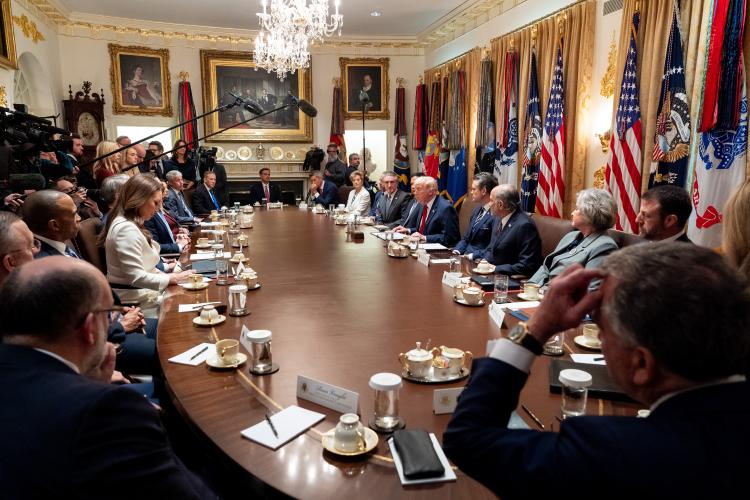
“Trump also revealed at the Cabinet meeting that Iran’s 'present' to the U.S., which he mentioned earlier this week, was the passage of 10 oil-carrying ships through the Strait of Hormuz.”
Energy markets and Hormuz
Investors across Asia are deeply worried about when the war will end. Oil prices gained again Thursday and Asian shares were mostly lower as a de-escalation of the Iran war remains uncertain. The Strait of Hormuz remains central to energy markets, with observers noting its strategic leverage in any potential deal.
Regional responses and forward path
Tehran’s skepticism toward Western guarantees and Islamabad’s mediation reflect a broader pattern of cautious diplomacy. US and Iranian statements remain at odds about whether talks are truly negotiations or public theater. Middle East Eye highlights Trump’s Thursday remark about not striking power plants yet at Tehran’s request, underscoring how domestic and regional dynamics shape the rhetoric.
“US President Donald Trump said on Thursday that he would not yet strike Iranian power plants as previously threatened, after a request from the government in Tehran.”
Pakistan’s reported mediation role signals a potential channel for de-escalation even as market pressures persist. Fortune warns that the outcome could hinge on whether Washington uses Hormuz leverage to back down or to reset broader regional objectives.