Iran12 April, 20261 min read
Trump Orders U.S. Naval Blockade of Strait of Hormuz After Failed Iran Talks
Trump announced immediate naval blockade of the Strait of Hormuz. Blockade blocks ships entering or leaving the strait.

Trump Blockades Hormuz
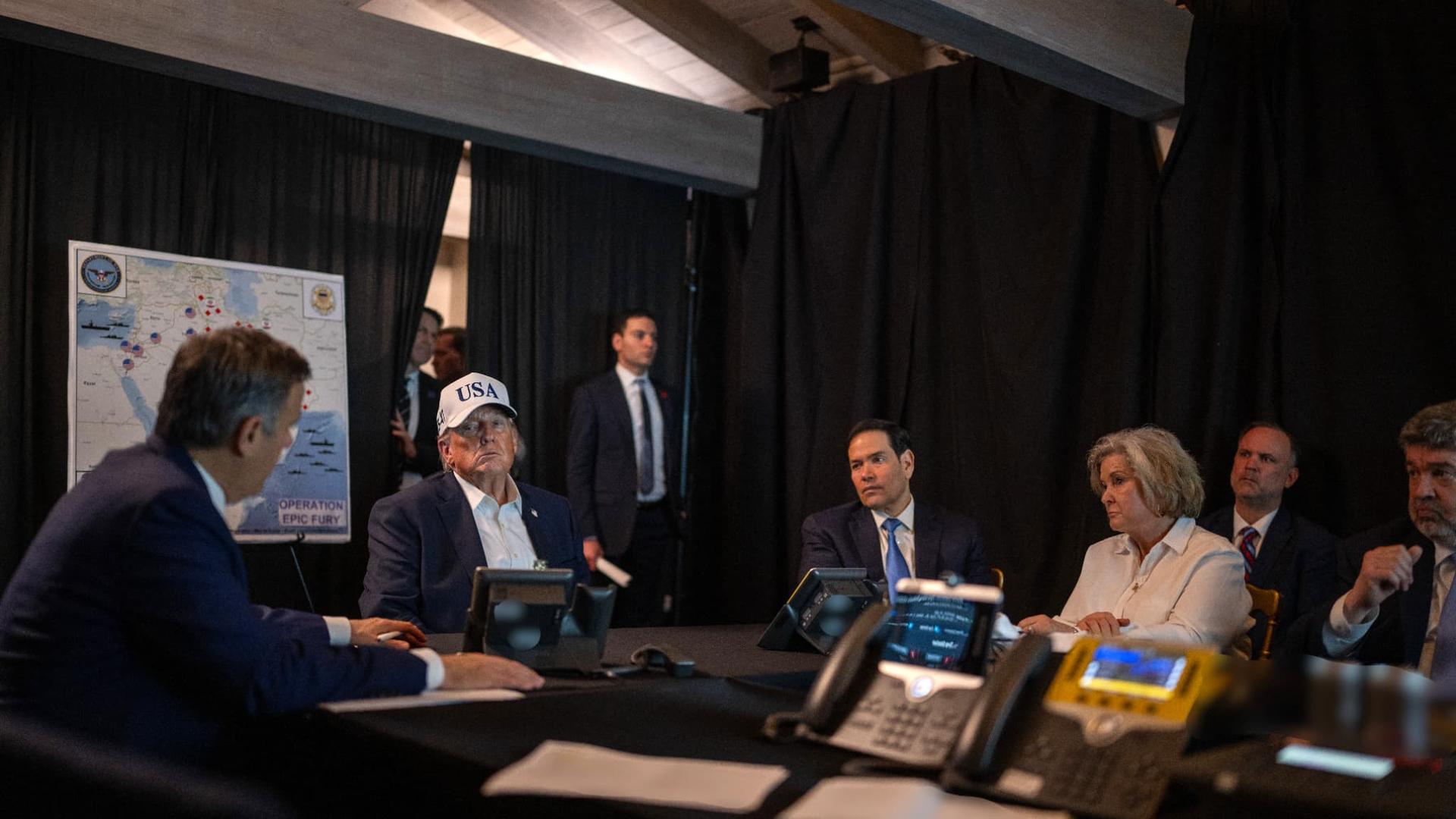
President Trump announced a U.S. naval blockade of the Strait of Hormuz after 21 hours of peace talks ended without an agreement. Trump declared that the Navy will begin blockading any and all ships trying to enter or leave the Strait of Hormuz. He added that the Navy would seek and interdict every vessel that has paid a toll to Iran, calling it an illegal toll.
The announcement came after the U.S. and Iran failed to reach a deal on Iran's nuclear program. The blockade escalates the conflict over a waterway that carries about 20% of global oil supplies.
Talks Collapse Over Nuclear
The 21-hour talks represented the highest-level negotiations since 1979. Trump said the talks went well but the only sticking point was Iran's nuclear program. Vance said the U.S. needs an affirmative commitment that Iran will not seek a nuclear weapon.
Iranian parliament speaker Qalibaf blamed the U.S. for failing to build confidence. The talks also faltered over control of the Strait of Hormuz.
Iran Responds Defiantly
Iran's chief negotiator said we will not bow to any threats. Iran's president said an agreement is achievable if the American government abandons its totalitarianism. Iran's navy chief called Trump's blockade threat ridiculous.
The war had already killed at least 3,000 people in Iran. The blockade risked escalating tensions with China.
Global Economic and Political Fallout
The blockade threatened to rattle global energy markets. Experts warned oil prices could spike above $150 per barrel. The United Kingdom clarified it would not be involved in the blockade.
The war had caused widespread destruction across six countries. The blockade raised questions about how long the ceasefire could hold.
