Full story
Blockade, talks, and sanctions
President Donald Trump said on Wednesday that the U.S. might return to negotiations with Iran “at some point,” while also insisting the Strait of Hormuz blockade has been “extremely effective.”
“Maybe at some point”
Trump told reporters at a White House tech roundtable that “We have very draconian sanctions,” and he said “Right now, the Strait is open. A lot of boats are coming through.”
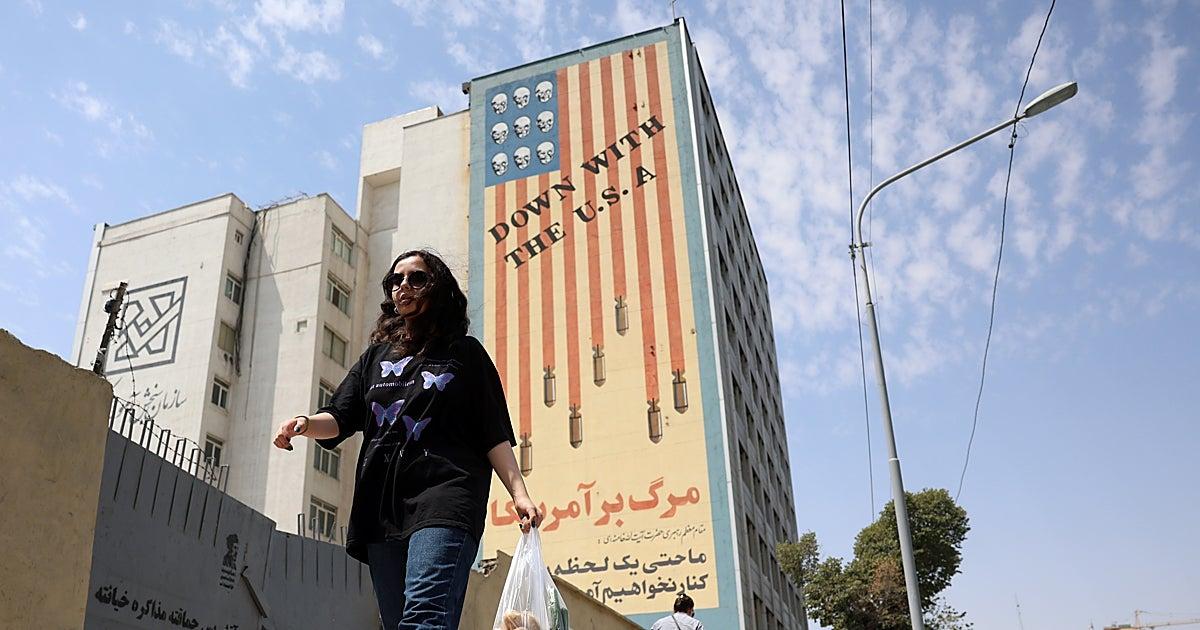
Reuters reported that Trump also said on Tuesday that “There are no talks or conversations going on, or scheduled, with the Islamic Republic of Iran,” and that “The Naval Blockade remains in full force and effect.”
In the same Reuters account, Iran’s senior official told Reuters the country was moving to a “fully offensive” military posture due to the diplomatic stalemate, while Reuters said there were no reports of fresh strikes by either side on Tuesday.
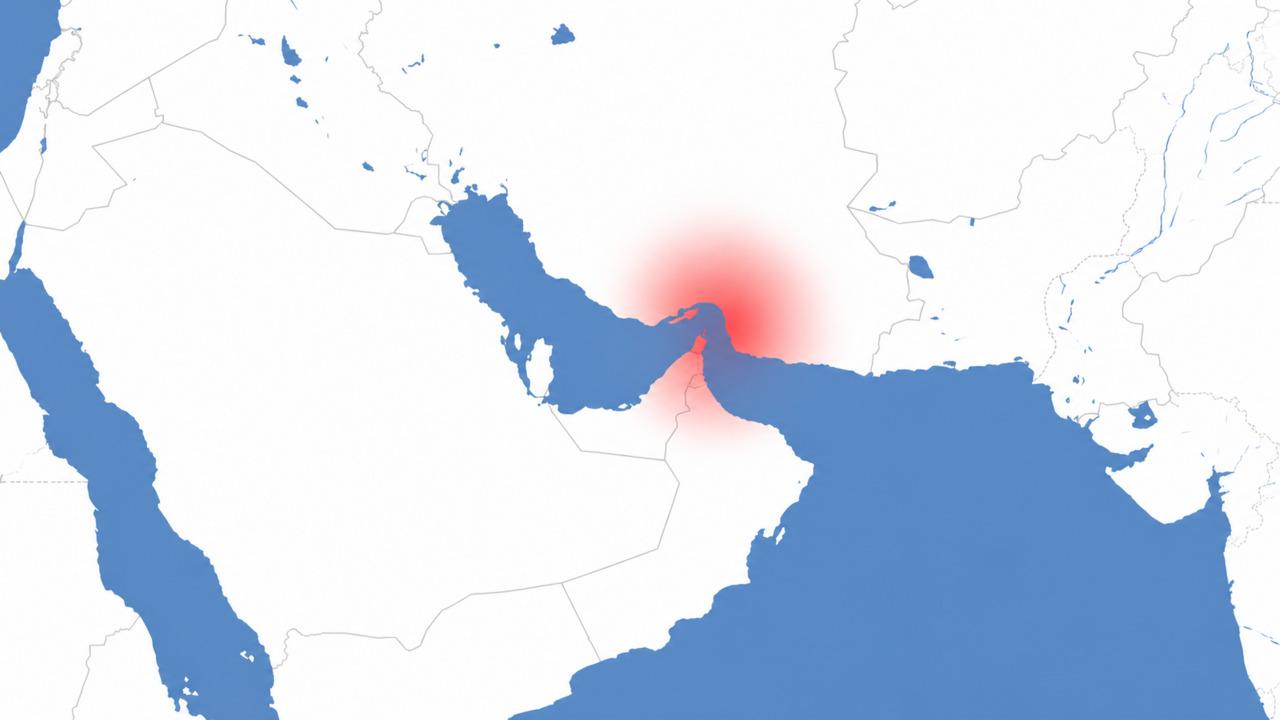
The dispute over the strait remained central as Reuters said a memorandum of understanding signed on June 17 set a 60-day time frame for a broader deal, which elapsed on Monday and Trump said he had no plans to extend it.
UAE cuts ties after missile
The United Arab Emirates said Wednesday it was suspending all trade and financial dealings with Iran after reporting an incoming missile threat, and Reuters reported the UAE Foreign Ministry suspended all trade activities, exchanges and financial transactions with Iran until further notice.
Reuters said the UAE Defense Ministry detected two ballistic missiles launched from Iran that were targeting “maritime traffic,” and it reported both missiles fell into the sea.

In response, Reuters reported Iran’s foreign ministry spokesperson Esmaeil Baghaei rejected the UAE comments and said the UAE’s “accusations” were “baseless.”
CBS News reported that the UAE said the missile threat came after issuing its previous day’s first warning to residents in weeks, and it also said the UAE faced its first missile attack in months on Tuesday though both fell harmlessly in the water.
Against that backdrop, Reuters said the receding prospects of a deal to end the nearly six-month conflict drove up oil prices again on Tuesday, while stock markets sagged and borrowing costs for major economies hit multi-decade highs.
Hardliners, offensive posture
CNN reported that Iran’s hardline leadership is devising a strategy emphasizing “offensive operations” as well as defensive action, and it said the strategy is being promoted as a way to continue confrontation with Washington.
“offensive operations”
CNN said an adviser to Khamenei, Mohammad Mokhber, stated that “the strategy of shifting the war to an offensive posture if Iran’s conditions are not met will undoubtedly transform the balance of power in the world.”
CNN also said the new head of Iran’s Supreme National Security Council, Mohsen Rezaie, belongs to a faction of the Islamic Revolutionary Guards Corps (IRGC) that believes “the only way to get concessions from the US is the continuation of fighting, exerting pressure on the US and a steady dose of pain on Donald Trump.”
In the same CNN account, IRGC officials told Iran’s semi-official news agency Fars that “Iran’s actions are defensive, although they may also take on an offensive aspect in the future,” and CNN said the IRGC was developing the ability to carry out operations “on enemy soil.”
The stakes in the reporting were tied to the Strait of Hormuz dispute and the expiration of the June memorandum’s 60-day time frame, with Reuters saying the agreement declared the “immediate and permanent termination of military operations on all fronts” but unraveled over control of the strait.