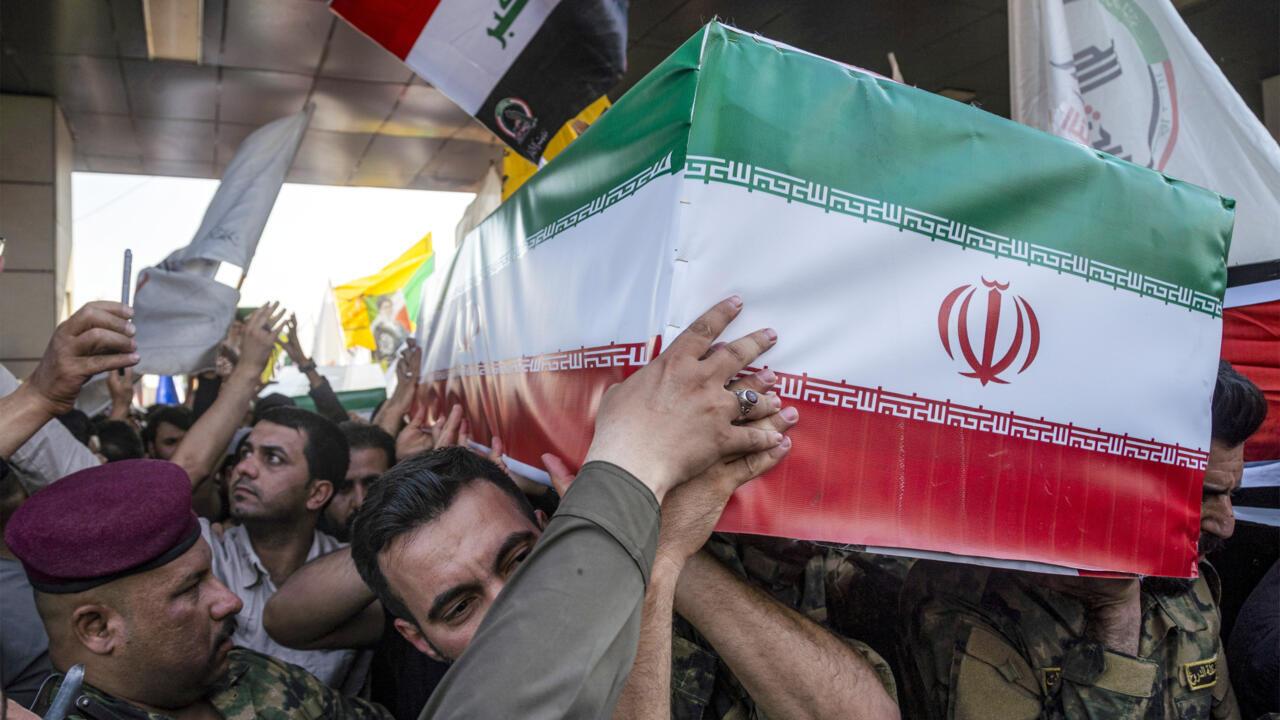
Full story
Deal signed, strait opens
Donald Trump declared that the deal’s “all signed” and said the strait of Hormuz was “already partially opened” as western leaders gathered at the G7 summit in Évian-les-Bains to prevent the US agreement with Iran from unraveling.
““The deal’s all signed. And the strait is already partially opened,” Trump said”
The memorandum of understanding (MOU) is set to be formally signed in Geneva on Friday, with the US vice-president, JD Vance, and the chief Iranian negotiator, Mohammad-Bagher Ghalibaf, expected to attend, while US officials said full details would be published in the next 24 to 48 hours.

Council on Foreign Relations reported that the United States and Iran reached an agreement on June 14 to settle a three-and-a-half month-long conflict that had closed the Strait of Hormuz, and that the initial pact would start with reopening the strait.
The ABC News account said the MOU would cease fighting on all fronts for 60 days and was expected to reopen the Strait of Hormuz to all traffic, while a senior administration official said the signatures were done digitally and a formal signing would happen in Geneva, Switzerland on Friday.
The ABC News report also quoted Iran’s Foreign Ministry spokesman Esmaeil Baqaei saying that, according to the MOU, Iran would provide “the security and safe traffic of the ships,” in cooperation with Muscat and in consultation with stakeholders.
Competing claims and pressure
While Trump said the strait would be fully opened by Friday and that the “strait is already partially opened,” NewsNation reported that Iranian President Masoud Pezeshkian said on Monday that the signed MOU is a draft and a final agreement has yet to be reached.
NewsNation also said Trump drew calls from his opponents to publish the text and that he told reporters, “Probably pretty soon. I would say after sometime after Friday… I think sometime in the very near future.”
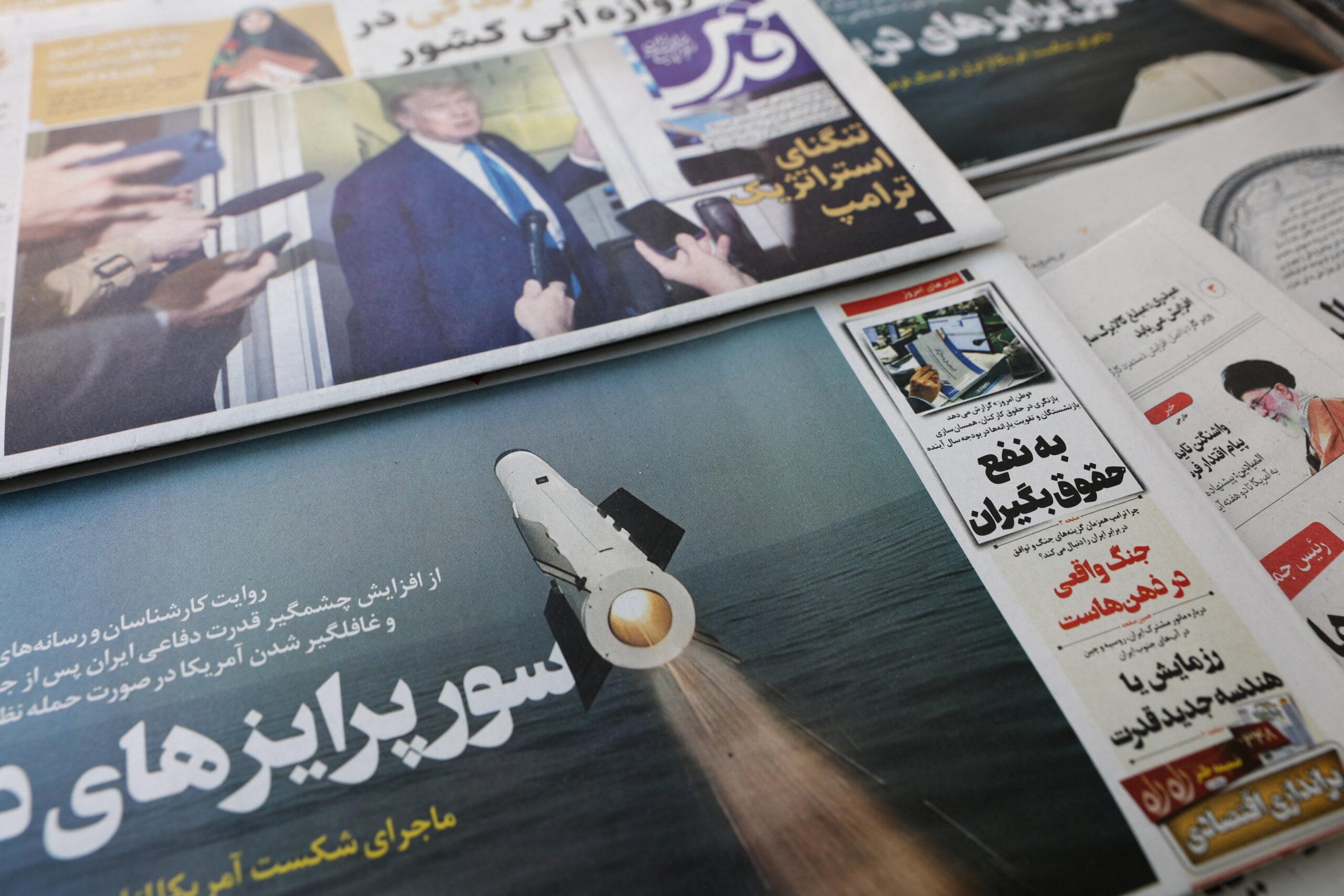
In parallel, the Guardian reported that Israeli breaches of the ceasefire in Lebanon and Iran’s claims about its right to charge fees in the crucial waterway revealed the agreement’s “many loose ends,” and it quoted Netanyahu distancing himself from the negotiations by saying that it was “[Trump’s] decision”.
CBS News described Israeli Prime Minister Benjamin Netanyahu telling Trump that Israel won’t withdraw from Lebanon despite the Lebanon-related parts of the US deal with Iran, and it quoted Israel’s far-right National Security Minister Itamar Ben-Gvir saying on social media that it “does not bind us.”
CBS News also quoted EU chief Antonio Costa welcoming the deal to end “costly war” and calling for “the full restoration of freedom of navigation in the Strait of Hormuz,” while the Guardian reported Friedrich Merz warning that the ceasefire agreement must apply to Lebanon.
Nuclear talks and enforcement
The Guardian said technical discussions led by Vance would begin later this week, including “the more thorny issues of the fate of Iran’s nuclear programme,” which Trump declared must never be able to produce a nuclear weapon.
““Negotiations on the outstanding issues, especially on Iran’s nuclear program, will be long and difficult.””
Council on Foreign Relations reported that the two sides would begin sixty days of negotiations about sanctions and Iran’s nuclear program after the MOU starts with reopening the Strait of Hormuz, and it quoted Steven Cook saying, “Negotiations on the outstanding issues, especially on Iran’s nuclear program, will be long and difficult.”
The ABC News report said the MOU’s outline includes “verifying that [Iran is] not building a nuclear weapon and not funding radicalism and terrorism in the region,” while also emphasizing that the U.S. Navy warned its blockade would remain in place until the agreement was formally completed.
PressTV quoted General Mohammad Akrami-Nia, spokesperson of the Iranian Army, saying, “We will maintain the level of readiness of the armed forces more than ever before” and “increase our defence capabilities during the agreement period,” as Tehran implemented the MoU.
PressTV also warned that “If the enemy violates the provisions of the agreement or memorandum of understanding, we will quickly and forcefully return the military situation in the region to the conditions before the agreement,” as it described the deal as including an immediate and permanent halt to US-Israeli hostilities on all fronts, including Lebanon, and terminating the US naval blockade against Iran.