Iran16 May, 20263 min read
Trump Warns Iran After Israeli and U.S. Strike Destroys Bridge B-1 Near Tehran
This article is an automated aggregation of coverage from news outlets. Our editorials offer in-depth analysis curated by the NewsCord team.
U.S. airstrikes destroy B-1 Bridge between Tehran and Karaj; Iran prioritizes reconstruction. Trump renewed threats of severe strikes against Iran following the bridge attack.
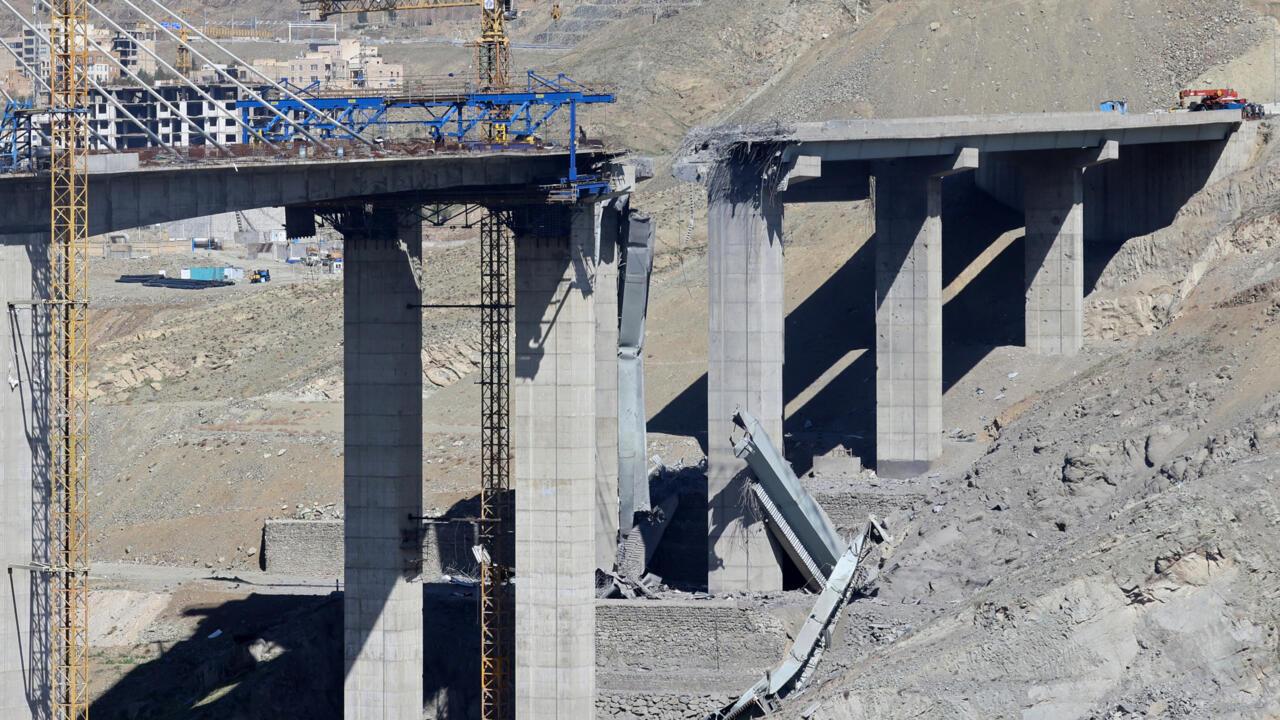
Bridge B-1 strikes and threats
U.S. President Donald Trump warned Iran’s leadership of further military action after the destruction of Bridge B-1, saying in a post on his official Truth Social account that the country’s largest bridge has collapsed and will not return to service, adding, 'More will come later!'
The statements came after an airstrike carried out by the Israeli occupation army and American forces targeting the strategic Bridge B-1, located about 40 kilometers west of Tehran, which the Fars News Agency said killed at least two people and cut the main road linking Tehran to Karaj.

The bridge’s strategic importance was described by Mizan News Agency, affiliated with the Iranian judiciary, as 'the longest bridge in the Middle East,' designed to shorten travel time between Tehran and Karaj from a full hour to just 10 minutes.
In a separate account, بوابة الشروق said Trump’s threats followed an operation in which American bombers targeted the B-1 Bridge under construction between Tehran and Karaj, and it described Iran’s Friday surprise of shooting down an American F-15 fighter over southwestern Iran and another aircraft of the E-10 over the Hormuz Strait.
The same source said the downing of the two American aircraft and damage to two Black Hawk helicopters forced Trump, for the first time since the war began on February 28, to acknowledge that “America is at war,” and it framed the losses as part of a broader escalation beyond Trump’s earlier simplifications.
Iranian responses and escalation
Iranian officials and military-linked outlets responded to Trump’s threats with promises of broader attacks, with the Khatam al-Anbiya Headquarters saying, “This war will continue until your humiliation, your permanent and inevitable remorse, and your surrender,” before adding: “Await our most crushing and destructive operations.”
In the same framing, France 24 reported that the Iranian army vowed to launch 'crushing' attacks on the United States and Israel in response to threats by U.S. President Donald Trump to direct 'very severe' strikes within the next two weeks or three.
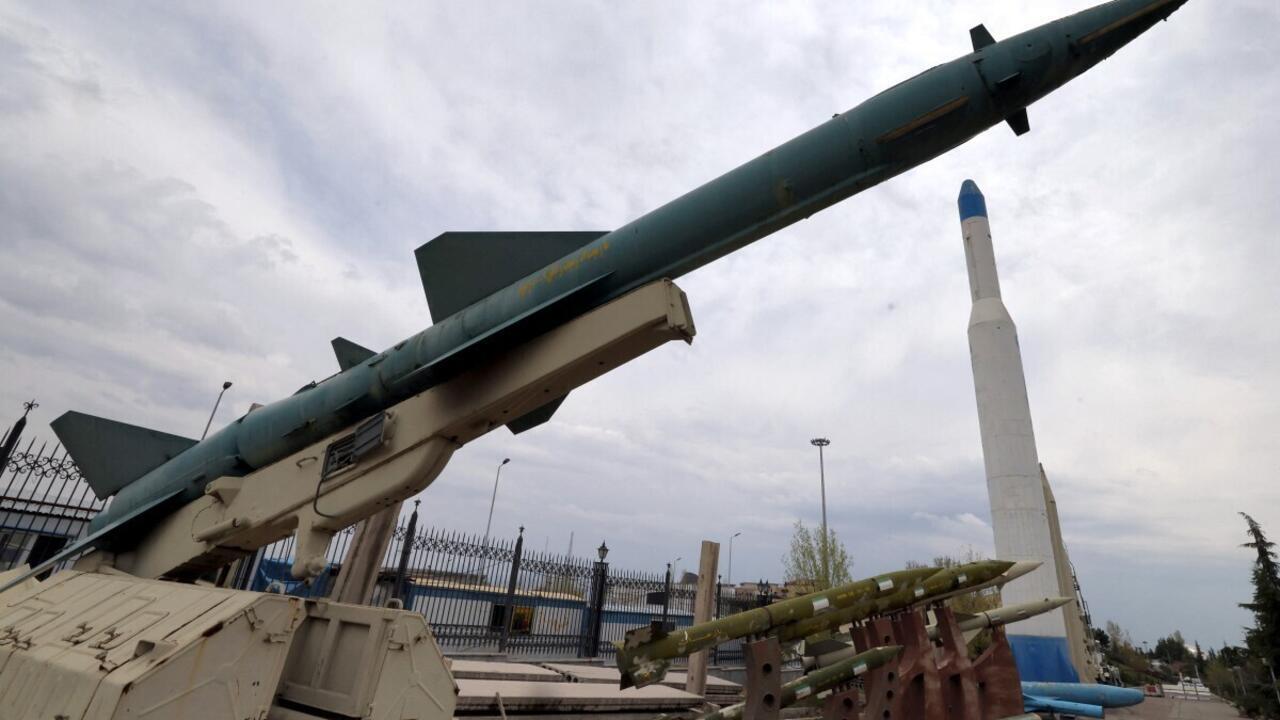
The Kuwaiti army reported intercepting missiles and drones launched toward its territory, while France 24 said the Israeli army reported it intercepted Iranian missiles with four minor injuries recorded in Tel Aviv and no reports of further injuries.
France 24 also said Trump threatened to target energy infrastructure 'vigorously and perhaps simultaneously' if no agreement is reached, and it reported that Trump linked a ceasefire to reopening the strait.
In parallel, the war’s immediate battlefield included the bridge strike in Karaj, with France 24 saying a main bridge in Karaj was targeted in two stages while Trump praised the operation, saying that 'the largest bridge in Iran is collapsing,' threatening more.
Rebuilding and what’s at risk
After the bombing, مونت كارلو الدولية reported that Iran announced the start of rebuilding the B1 Bridge, which connects Tehran and the city of Karaj, at a cost of about $21 million, and it said the first phase began with removing the rubble with an expectation to complete the project in less than a year. The same report said the bridge stood about 180 meters high and 350 meters long, with construction costs estimated at about $400 million, and it added that the bridge had reached about 99% completion before it was bombed and was scheduled to open in late April. Iranian Foreign Minister Abbas Araghchi said in a post on X that “attacking civil infrastructure will not force the Iranians to surrender,” and he added that “every bridge and every building will be rebuilt anew, and this time more sturdily.”
CNN reported that its Matthew Chance got rare access to the site of Iran’s Karaj B1 Bridge that was heavily damaged in deadly US airstrikes in April, and it said a local official told CNN that reconstruction is the focus. The same CNN piece described that CNN operates in Iran only with government permission, but maintains full editorial control over what it reports, while the broader dispute over infrastructure and negotiations continued to hinge on whether an agreement is reached “before it’s too late,” as Trump renewed the call after praising the strike.