Global Politics20 November, 20262 min read
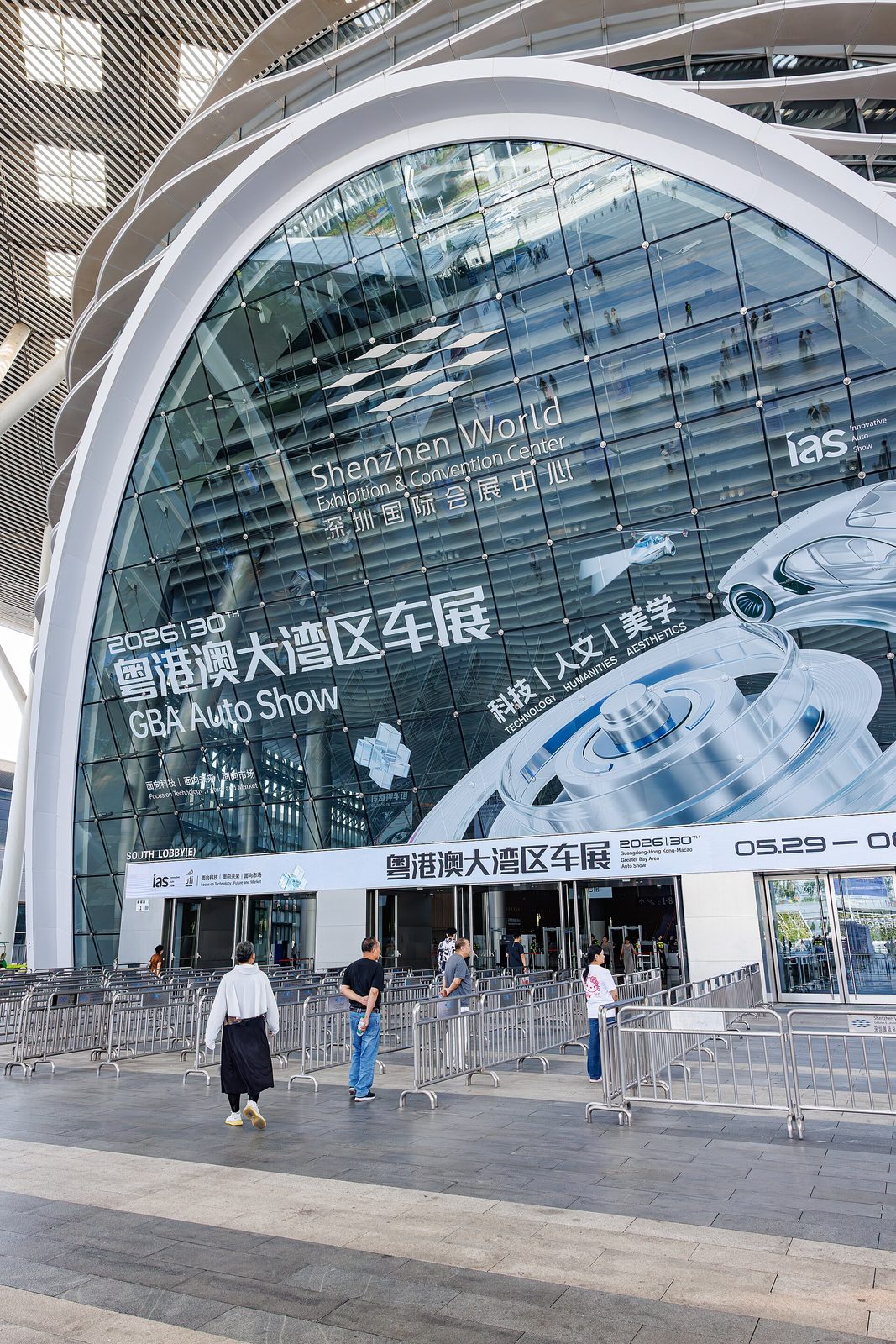
Archive photo · 1 June 2026Trump, Xi, Putin Pledge More Refined Petroleum Supplies in Shenzhen Joint Statement
23 Western Mainstream16 West Asian5 Other7 Other source typesPhoto: Dinkun Chen, CC BY-SA 4.0 · Cropped for layout
This article is an automated aggregation of coverage from news outlets. Our editorials offer in-depth analysis curated by the NewsCord team.
Pledged to boost global refined petroleum supplies among US, China and Russia. Issued a joint 'peace declaration' to reduce nuclear risks and reform the UN.
Save coverage image
Shenzhen energy pledge
President Donald Trump, President Xi Jinping, and President Vladimir Putin met in Shenzhen and issued a joint statement saying they “plan to increase the production and supply of refined petroleum products for the benefit of all nations” while reaffirming “the importance of stable energy flows.” President Trump also framed the summit’s diplomacy around nuclear risk, saying “As the world's three largest nuclear powers by far, the United States, Russia, and China are uniquely positioned” to discuss reducing nuclear weapons and the risk of their use.
Analysts questioned whether the refined-fuel pledge could translate into global fuel gains, and Hamad Hussain said the statement should be viewed as “political noise rather than the first step toward boosting global fuel supplies.” Analysts also pointed to constraints on implementation, with Al Jazeera describing the US as having “little to no spare refining capacity” and Russia as being constrained by “continued Ukrainian attacks on its energy infrastructure.”
Wars left off agenda
President Trump returned to Washington after the trilateral meeting in China, and the ABC News account said the symbolic four-point “peace declaration” made no mention of Russia's war with Ukraine or the war with Iran. President Putin commented through a translator on Ukraine during opening remarks, saying “Our countries have numerous shared interests in the settlement of regional conflicts, including obviously the conflict in Ukraine.”
The Al Jazeera account said the leaders pledged to increase refined petroleum supplies while the wars in Iran and Ukraine continued to “upend global energy markets,” and it tied the pledge to disruptions in the Strait of Hormuz. The South China Morning Post account said Western sanctions on Moscow could limit the impact of efforts to boost refined fuel supplies, and it quoted Xu Wenjun saying “There remains no meaningful breakthrough on Russia sanctions, spanning both energy and finance.”
What comes next
The Business Times reported that the “peace declaration” also pledged to uphold the immunity enjoyed by state officials in international courts, and it said the document was released by Xinhua and the Kremlin. Daryl Kimball, executive director of the Arms Control Association, said the meeting could at best start a process, warning “We need more than diplomatic theater and photo opportunities between Xi, Putin and Trump at Apec.”
The Al Jazeera analysis said the trilateral statement should be treated as political noise, and it cited Frederic Schneider saying “Previous efforts to increase supply [like the US-Russian diesel deal] went nowhere.” The Oz Arab Media account added that the Trump administration discussed reopening refineries and that Valero Energy agreed to buy and refurbish part of a refinery near Houston, which could add 165,000 barrels per day by the end of 2027.