Business · 01 August, 2026 · 3 min read
Turkey and Iraq Sign One-Year Deal to Keep Iraq-Turkey Crude Pipeline Operating to Ceyhan
One-year extension guarantees continued flow through Kirkuk–Ceyhan pipeline. Capacity set at 750,000 barrels per day via the Ceyhan route.
What the interim agreement is backdated to, and under what terms.
7 of 8 outlets skipped it: deal is expected to be backdated to July 27.
15outlets compared
Same story, two versions
tap a side to read it in full
The Batesville Daily Guard
“The agreement will remain in effect for one year while the two countries finalize”Read the original ↗
Financial Post adds backdating terms; AP omits July 27 detail
One-year pipeline extension
Turkey and Iraq signed a one-year agreement to keep the Iraq-Turkey crude oil pipeline operating, with Turkish Energy Minister Alparslan Bayraktar announcing the deal on Saturday after a “productive” meeting in Ankara with Iraqi Oil Minister Bassem Mohammed Khudair.
“Turkey and Iraq have signed a one-year agreement to continue the operation of the Iraq-Turkey crude oil pipeline”
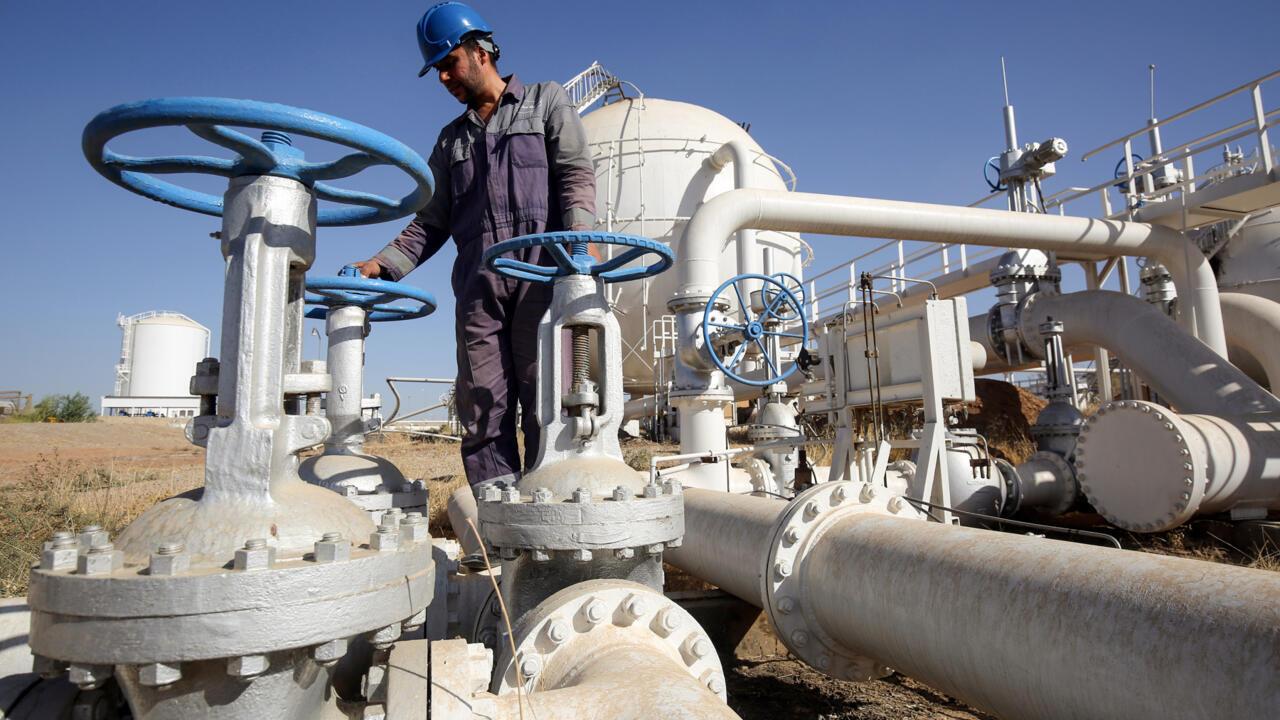
The agreement extends a decades-old arrangement that expired earlier this week and provides for continued transit of Iraqi crude through Turkey to the Turkish Mediterranean port of Ceyhan, where the pipeline connects Iraqi oil fields to Turkey’s main export outlet.

The deal sets a “minimum export volume of 750,000 barrels of Iraqi crude per day through the pipeline,” according to Iraqi Oil Minister Bassem Mohammed Khudair al-Abadi, and it runs from Kirkuk in northern Iraq to Ceyhan.
The Batesville Daily Guard reported the agreement will remain in effect for one year while the two countries finalize a broader framework agreement covering cooperation in the oil, electricity and water resources sectors.T
Iraq’s reliance on oil revenues and the disruptions to shipping through the Strait of Hormuz since the U.S.-Iran war began in February were cited as part of the context for the extension.
Capacity, flows, and conditions
The interim arrangement covers a transit capacity of 750,000 barrels per day, while the Iraq-Turkey pipeline has a maximum capacity of around 1.5 million bpd, according to Firstpost and the Batesville Daily Guard.T
Firstpost said actual flows have remained significantly lower in recent years, with Turkish data putting current shipments at around 170,000 bpd largely originating from oil fields in Iraq’s Kurdistan region.

In a separate account, Financial Post (Bloomberg) said the interim agreement allows for a “reserved” export capacity of as much as 750,000 barrels per day, and that such flows are contingent on security improvements, full production in Iraqi Kurdistan oil fields, and the completion of infrastructure to transport larger volumes of crude oil from southern to northern Iraq.F
The Batesville Daily Guard reported the Iraq-Turkey pipeline has been largely idle since 2023 after exports from Iraq’s semiautonomous Kurdish region were halted following legal and commercial disputes, though exports resumed in a limited capacity last year.T
Financial Post also said the extension was expected to be backdated to July 27, the expiry date of the previous deal that had been in place for 53 years.F
Strategic stakes and next steps
Iraqi Prime Minister Ali al-Zaidi called the agreement “an important strategic milestone to ensure the uninterrupted flow of our oil exports and strengthen economic cooperation,” framing the extension as a bridge while negotiations continue.
“Ali al-Zaidi called the agreement “an important strategic milestone to ensure the uninterrupted flow of our oil exports”
The Batesville Daily Guard said the signing came days after al-Zaidi visited Ankara for talks on security, trade, energy, transportation and water management, as well as joint infrastructure projects between the two neighbors.T
One project under consideration described by the Batesville Daily Guard is a pipeline that would connect southern Iraq’s Basra to western Iraq’s Haditha and from there to the Ceyhan port in Turkey and the port of Baniyas on Syria’s coast.T
Firstpost reported that Turkey has expressed interest in fully utilising the pipeline and eventually extending it to transport crude from Iraq’s southern oil fields, while Iraq seeks alternative routes as the Strait of Hormuz remains effectively closed owing to the U.S.-Iran war.
The National said Iraq planned to sign the one-year agreement to continue crude oil flows through the pipeline to the Turkish port of Ceyhan, with the development described as a prelude to a comprehensive deal aimed at raising export capacity to more than one million bpd after the completion of the Basra-Haditha-Kirkuk-Ceyhan pipeline.