Other · 20 August, 2026 · 2 min read
Eight Arab and Muslim Countries Condemn Israel’s Targeting of Gaza Healthcare Facilities
Eight Arab and Muslim states condemned ongoing Israeli violations in Gaza, targeting healthcare facilities. They urged Israel to comply with ceasefire obligations to prevent escalation.
48 outlets, one story, no spin found.
10 of 11 outlets skipped it: UNICEF: at least 300 children killed in 300 days since ceasefire.
The Jerusalem Post was read line by line by the Watchdog: 5.4. See the score →
48outlets compared
Joint Condemnation in Gaza
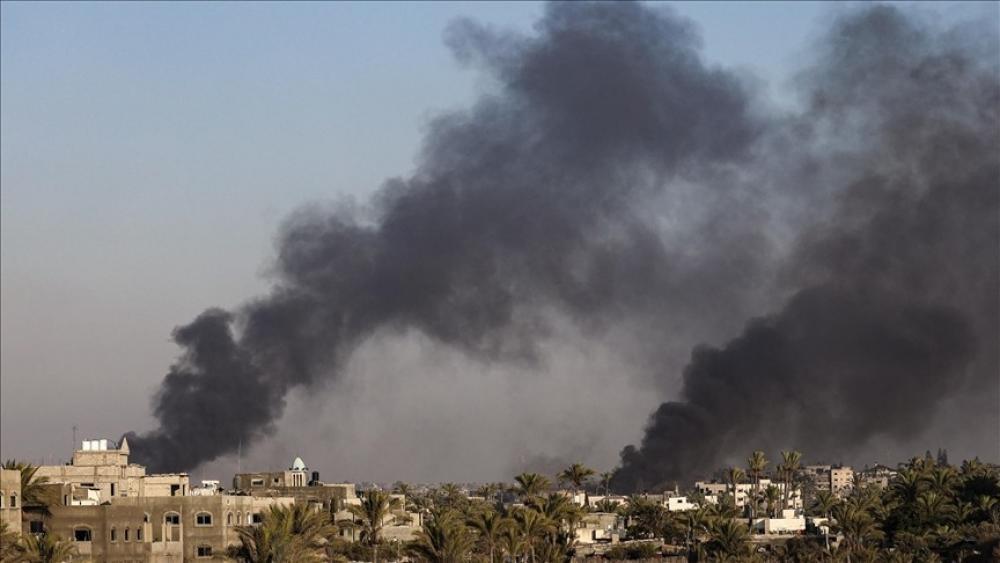
Eight Arab and Muslim countries issued a joint statement expressing their “strongest condemnation and denunciation” of ongoing Israeli violations in the besieged Gaza Strip, reserving their strongest condemnation for the targeting of healthcare facilities and medical infrastructure and attacks on civilian areas. The foreign ministers said the deliberate targeting of hospitals, ambulances and medical personnel amounted to a “grave” breach of international humanitarian law, and they stressed that protection of medical facilities and health workers and the immediate delivery of medical supplies and aid were legal obligations that could not be compromised.
The statement came as Gaza’s health system remained close to collapse despite the “ceasefire,” with only about half of the enclave’s 36 hospitals partially functional. It also cited an August 1 Israeli air raid hitting a pharmaceuticals warehouse at al-Aqsa Martyrs Hospital in Deir el-Balah, while the Health Ministry said shortages of cancer and blood-disorder medicines had reached 61 percent, leaving oncology patients at “imminent risk of death.”
Hamas Welcomes, UN Numbers
Hamas welcomed the statement, saying it reflected the gravity of Israeli violations of a “ceasefire” that threaten the entire agreement, and it urged signatory states, mediators and the United States administration to act immediately to stop Israel from “sabotaging the agreement.” The Government Media Office in Gaza said Israeli forces had committed 4,091 ceasefire violations over 300 days, killing more than 1,254 Palestinians and wounding 4,121, and it said just 35 percent of expected aid trucks had entered the territory.
The same Gaza government source said only 10,703 people had been allowed out through the Rafah crossing, and it reported that 159 Palestinians had been detained during the truce. UNICEF also said at least 300 children have been killed in Gaza in the 300 days since the “ceasefire” came into effect, as the joint foreign ministers warned the violations breached Israel’s commitments under the comprehensive plan to end the Gaza conflict.

Roadmap, Weapons Restraint, Stakes
The foreign ministers linked the assault on Gaza to settler attacks in the occupied West Bank, accelerating settlement expansion and unilateral measures in occupied Jerusalem, calling them a “systematic policy aimed at imposing a fait accompli by force.” They said the violations breached Israel’s commitments under the comprehensive plan to end the Gaza conflict and undermined efforts to implement its second phase after US President Donald Trump announced that Hamas had accepted the roadmap, including provisions on the confinement of weapons.
In a separate joint statement, the foreign ministers also affirmed their “categorical rejection” of any attempts to annex the occupied Palestinian land, impose Israeli sovereignty over it, or forcibly displace the Palestinian people, and they said the only way to achieve a just and comprehensive peace was a serious political process leading to a two-state solution. The ministers urged the international community, especially the Security Council, to shoulder legal and moral responsibilities and take practical and effective measures to compel Israel to fulfill its obligations under international law, including international humanitarian law, and to hold accountable those responsible for serious violations.