
Crime · 12 August, 2026 · 3 min read
Tyler Robinson’s Lawyers Argue Shooting Didn’t Endanger Utah Valley University Attendees, Oppose Death Penalty
Defense argues Robinson hit the intended target and endangered no one else, negating deadly penalty. Defense seeks to strike aggravating factor; prosecutors must prove capital-murder eligibility.
How motive-politics evidence is framed.
6 of 8 outlets skipped it: defense argues bullet “above, not through” crowd.
14outlets compared
Same story, two versions
tap a side to read it in full
The Hill and Fox News emphasise different defence quotes: alleged hatred vs intent-to-kill wording.
Death penalty eligibility fight
Lawyers for Tyler Robinson, accused of killing political commentator Charlie Kirk during an event at Utah Valley University, argued in Tuesday court filings that the alleged shooter did not put any of the thousands of attendees in danger, a contention they say prevents him from being eligible for the death penalty.
In the state of Utah, aggravated murder must involve at least one “statutory aggravating factor,” and prosecutors accused Robinson of posing “a great risk of death” to others during Kirk’s killing.
Robinson’s legal team wrote that “The only evidence presented supports that the bullets traveled above, not through, the crowd,” in an effort to refute the state’s claim that the shooting endangered people beyond Kirk.
The dispute is set to be addressed by Utah District Judge Tony Graf at a hearing on Sept. 1, according to The Associated Press, after Robinson has yet to enter a plea for the charges.
Single-shot and jury standard
KUTV reported that a single-shot argument emerged as a key issue in the case, with Robinson’s attorneys asking a judge to remove the aggravating factor that could make him eligible for the death penalty by focusing on whether a single rifle shot placed other people at grave risk of death.
Criminal defense attorney Nathan Evershed, who is not associated with Robinson’s case, said the dispute over the aggravating factor could become the central legal issue as the case moves forward, calling it “really, at the end of the day, this is really the only issue in the case, and it’s a good issue for the defense.”
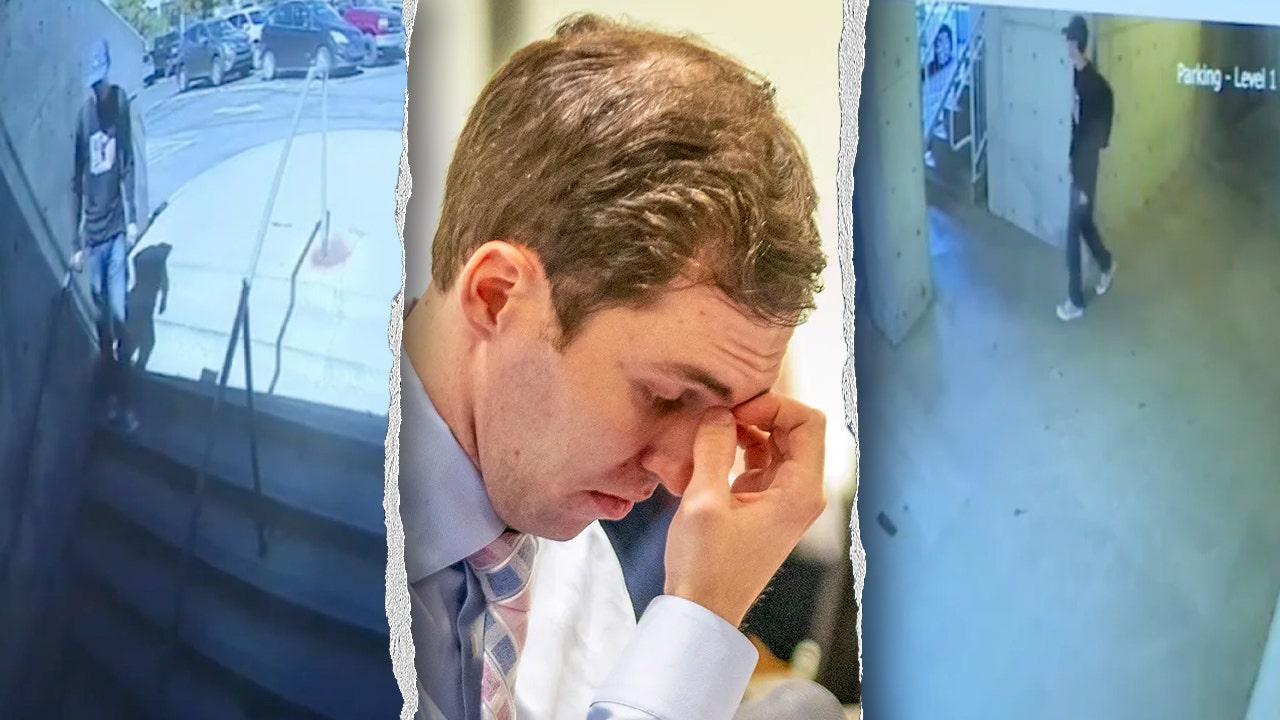
KUTV also said Robinson’s attorneys filed a 41-page brief after the preliminary hearing, arguing prosecutors failed to establish probable cause for the aggravating factor supporting the aggravated murder charge.
At trial, Evershed said, all 12 jurors would have to unanimously find the element proved beyond a reasonable doubt, but at this stage prosecutors only need to establish probable cause.
The judge is expected to rule Sept. 1, KUTV said, as the defense also challenged allegations that a child younger than 14 was placed in imminent danger and raised a witness tampering charge involving Lance Twiggs.
Motives, evidence, and next steps
NBC 5 Dallas-Fort Worth said Robinson’s attorneys argued the shooter “hit the intended target” and that prosecutors have not proven he knew others who attended Kirk’s event at Utah Valley University on Sept. 10 were endangered, an aggravating factor under state law.
NBC 5 Dallas-Fort Worth also reported that prosecutors alleged Robinson told his roommate that he killed the activist because he “had enough of his hatred,” while the defense said that statement was not enough to prove what motivated Robinson after searches of his apartment, computers and telephone failed to produce anything beyond that one statement.
The defense further disputed prosecutors’ claims about motivation, and NBC 5 Dallas-Fort Worth said prosecutors last month presented what they called “overwhelming” evidence against Robinson, including DNA tests that tie him to the suspected murder weapon and apparent confessions by the defendant.
Prosecutors have until Aug. 18 to respond to the latest defense arguments, and closing arguments in the preliminary hearing are scheduled for Sept. 1, NBC 5 Dallas-Fort Worth said.
If the aggravating factor is struck, the defense position is that the case would proceed without the death-penalty eligibility that depends on proving the “great risk of death” element to others.