Asia04 September, 20263 min read
UAE President Sheikh Mohamed Bin Zayed Pardons Egyptian Poet Abdul Rahman Yusuf Al-Qaradawi
This article is an automated aggregation of coverage from news outlets. Our editorials offer in-depth analysis curated by the NewsCord team.
UAE President Mohamed bin Zayed pardoned Egyptian poet Abdul Rahman al-Qaradawi. Extradited from Lebanon to the UAE in January 2025, facing a 10-year prison sentence.
Pardon After 10-Year Sentence
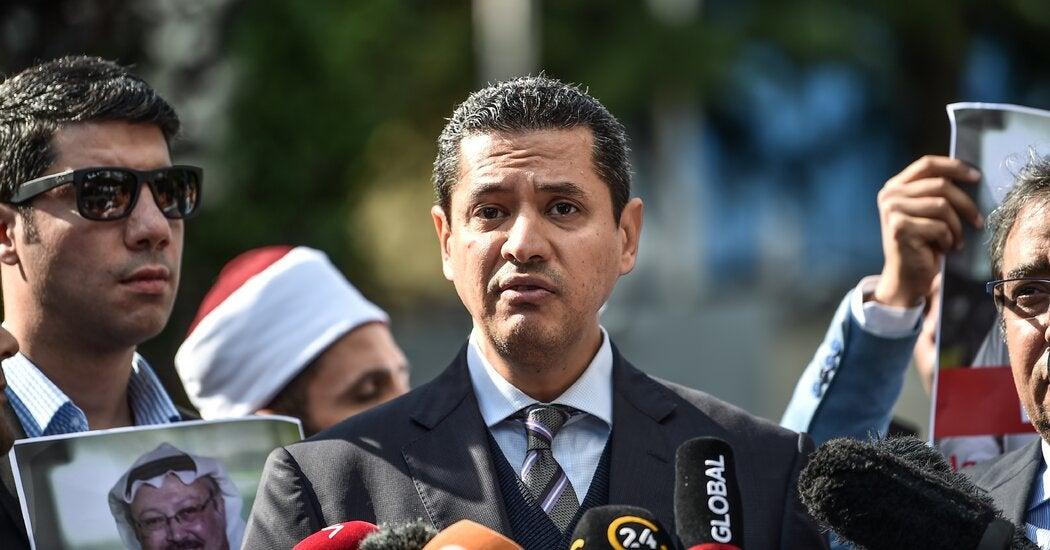
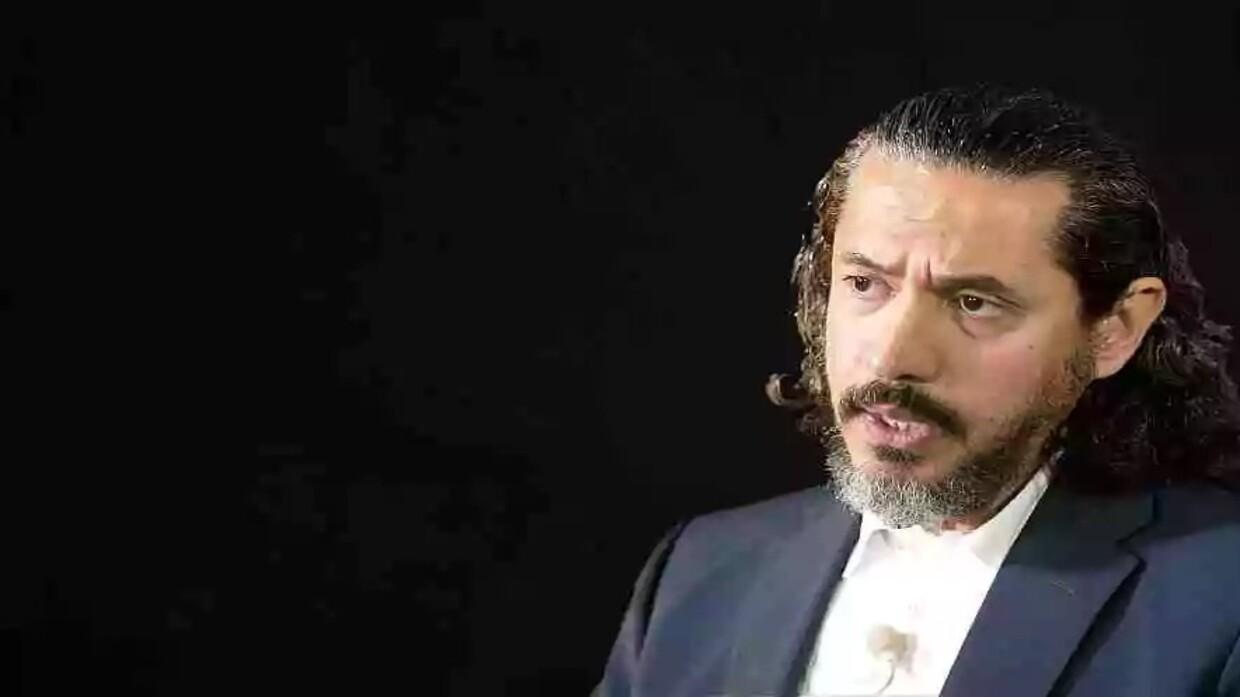
The United Arab Emirates pardoned Egyptian poet and dissident Abdul Rahman Yusuf al-Qaradawi after he was sentenced to 10 years in prison, with the pardon issued by UAE president Sheikh Mohamed bin Zayed Al Nahyan on Friday. Middle East Eye said Qaradawi was convicted by the Cybercrime Circuit of the Abu Dhabi Federal Court of Appeal on 27 August, which handed him a 10-year custodial sentence and a fine of AED200,000 ($54,452). The New York Times reported that the UAE said Friday it had pardoned al-Qaradawi days after he was sentenced to 10 years in prison, and that the authorities did not immediately specify when he would be released.
Al Jazeera said the UAE’s state news agency WAM reported that “the necessary procedures have been taken to implement the presidential pardon,” though it was not known if he had been released. Al Jazeera also said he was arrested in Lebanon in December 2024 and extradited to the UAE in January 2025 facing charges of “engaging in activities that aim to stir and undermine public security”.

Detention, Extradition, Due Process
Middle East Eye reported that for over 200 days after his extradition, Qaradawi remained “forcibly disappeared” with no charges or indictment, sparking criticism and calls for his release by rights groups and UN experts. Amnesty International warned that his extradition constituted a “flagrant violation of due process guarantees and other international human rights obligations, notably the principle of non-refoulement”. The New York Times said the Emirati government previously told it that Qaradawi was being investigated on charges of “engaging in activities that aim to undermine public security” and that his detention complied with legal and human rights standards.
Al Jazeera said he was sentenced by the Abu Dhabi Federal Court of Appeal’s Cybercrime Division on August 27 to 10 years in prison and fined him 200,000 dirhams ($55,000). Middle East Eye added that the extradition process was triggered by an arrest warrant issued by the Arab Interior Ministers’ Council (AIMC), which UN experts said was politically motivated and not based on legal criteria.
Release Unclear, Precedent Fears
While the UAE issued the pardon, Al Jazeera said it was not known if Qaradawi has been released, even as WAM reported that “the necessary procedures have been taken to implement the presidential pardon”.
The New York Times said human rights experts and his lawyers had warned the case could set a dangerous precedent for governments seeking to silence critics across national borders.
Middle East Eye quoted Samar Elhussieny, executive director of the Egyptian Human Rights Forum, welcoming the news but urging Emirati authorities to expedite his release, saying, "I hope the procedures will be finalised as soon as possible for him to be reunited with his family,".
Al Jazeera reported that Qaradawi’s family warned in a statement in January 2025 that Lebanon would be endangering his life if it extradited him to any country that demands him.
The New York Times said the Emirati president pardoned the dissident after he was convicted on Aug. 27 and fined 200,000 dirhams, about $54,000, according to state media.