Technology and Science · updated 1h ago · 3 min read
UCLA Researchers Estimate T. Rex Body Temperature at 36 Celsius Using Enamel Chemistry
36°C body temperature estimated for Tyrannosaurus rex from tooth enamel analysis. UCLA researchers' Science Advances study provides first direct chemical evidence of warm-blooded T. rex.
Claimed precision and method-maturity emphasis differs.
10 of 12 outlets skipped it: temperature-reading method requires only a few milligrams of enamel powder.
16outlets compared
Same story, two versions
tap a side to read it in full
Scientific American
“It’s the next best thing to sticking a thermometer up a T. rex’ 'butt,' which we wouldn’t have wanted to do anyway.”Read the original ↗
Mirage News
“Though still a scaly, egg-laying reptile, T. rex's 36 C body temperature is comparable to a furry, warm-blooded mammal's.”Read the original ↗
One outlet stresses scientific precision, the other leans on mammal comparison and vivid narrative.
Teeth as Thermometers
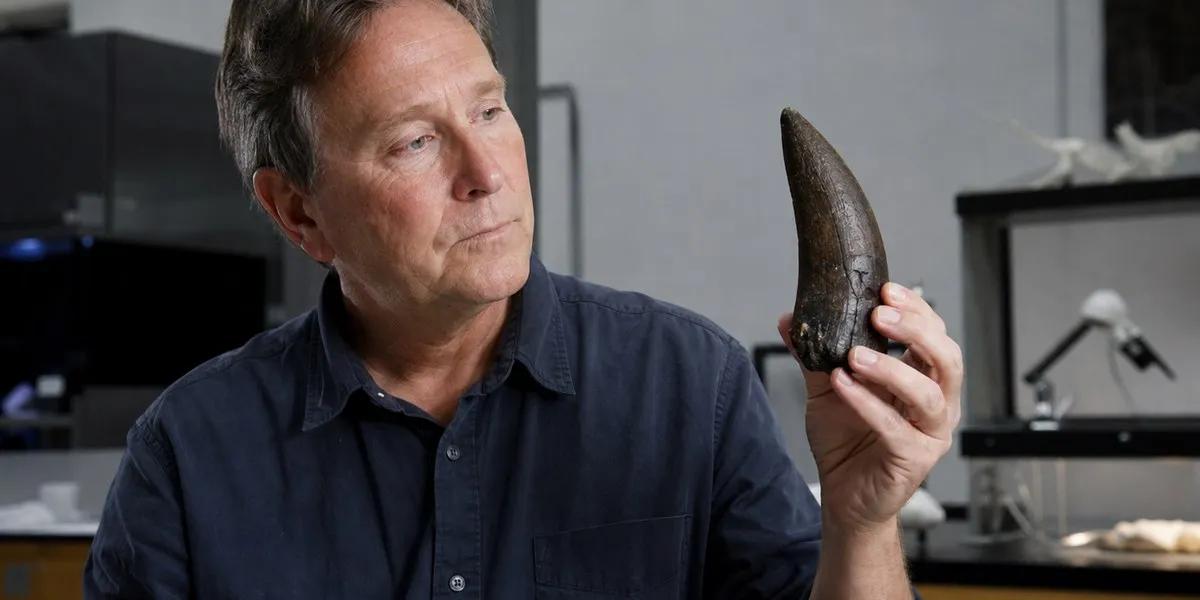
Researchers at the University of California, Los Angeles, used fossilized enamel from two teeth belonging to a T. rex specimen nicknamed “Thomas,” held in the collection of the Natural History Museum of Los Angeles, to estimate a body temperature of approximately 36 degrees Celsius.
“The discovery provides the first direct chemical evidence that the “king of the dinosaurs” was a warm-blooded animal”
The method relied on rare bonds between carbon and oxygen isotopes formed according to the animal’s internal temperature, and the study used a dental drill to extract just a few milligrams of enamel before analyzing the sample’s chemical composition with a mass spectrometer.
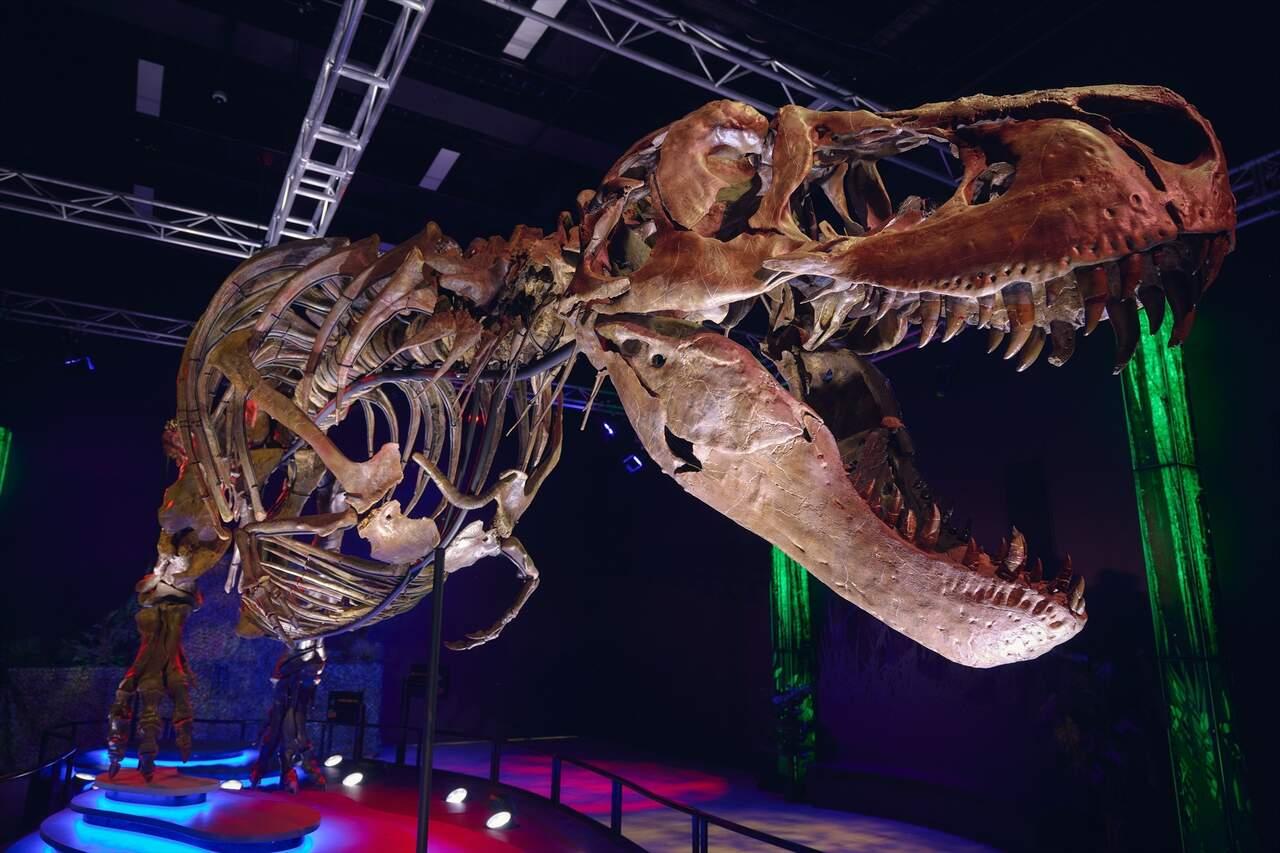
In the same work, the amount of fossil required for analysis was reduced by approximately 90%, and the estimated temperature was reported as 36 Celsius (97 Fahrenheit) in a finding described as the first direct chemical evidence that T. rex was warm-blooded.
UCLA geobiologist and study co-author Robert Eagle said, "We found T. rex was 36 Celsius (97 Fahrenheit), about the same as humans."
Scientific American framed the approach as reading enamel chemistry recorded at formation, with Aradhna Tripati saying, "The enamel chemistry is truly recording the temperature at which it formed".S
Warm-Blooded, Not Basking
The estimated temperature of 36 Celsius (97 Fahrenheit) placed T. rex’s internal heat ahead of today’s cold-blooded reptiles and even sloths, but short of its avian descendents, which were described as often running much warmer at 40–43 C (104–109 F).
Robert Eagle said the temperature is "higher than a reptile or a slow mammal like a sloth, but lower than an avian," and he described the chemical basis as using isotopes as a thermometer.

In the same study coverage, Eagle argued that a thermoregulated T. rex supports theories that tyrannosaurs were active animals, chasing or scavenging food to fuel their fast metabolisms.
Aradhna Tripati added that "The teeth tell us T. rex was warmer than the environment around it," and she said a warm-blooded T. rex can go almost anywhere on the continent, including the Arctic.
New Scientist summarized the implication as comfort in subtropical and even mild climates, quoting Scott Persons saying, “That film premised that dinosaurs could not survive in the modern world, except near the equator,”.
Range, Models, and Next Steps
The researchers compared T. rex enamel chemistry with five similarly aged fossilised crocodile teeth from the same geological formation, and the crocodilian teeth produced an average temperature estimated at 30.9°C, consistent with modern crocodilians and lower than the result for T. rex.
“"Now we have empirical evidence using this geologic thermometer,"”
Using paleoclimate models, the work reconstructed a range in North America 66 million years ago that stretched from Mexico to Alaska, based on where T. rex could have survived with a 97 F body temperature.
Alessandro Chiarenza said, "Now we have empirical evidence using this geologic thermometer," and he described reconstructing a range that included Alaska where cold-blooded reptiles had not been found.
The study also positioned the result as a culmination of work described as "some 15 years of work" by Robert Eagle, who said he hoped to use the same technique to suss out the body temperatures of avian dinosaurs and ancient mammalian ancestors next.
Scientific American added that the findings were published on Wednesday in Science Advances and quoted Wiemann calling them “absolutely mind-blowing” and “impressively precise,” while noting the method’s precision at estimating internal temperature from tooth enamel.S