China24 October, 20253 min read
UK Government Censors ‘Enemy’ Label for China to Conceal Spy Case Evidence
This article is an automated aggregation of coverage from news outlets. Our editorials offer in-depth analysis curated by the NewsCord team.
Deputy national security adviser Matthew Collins removed 'enemy' label from China spy case evidence. Removal of 'enemy' term was to align with Conservative government policy at the time.
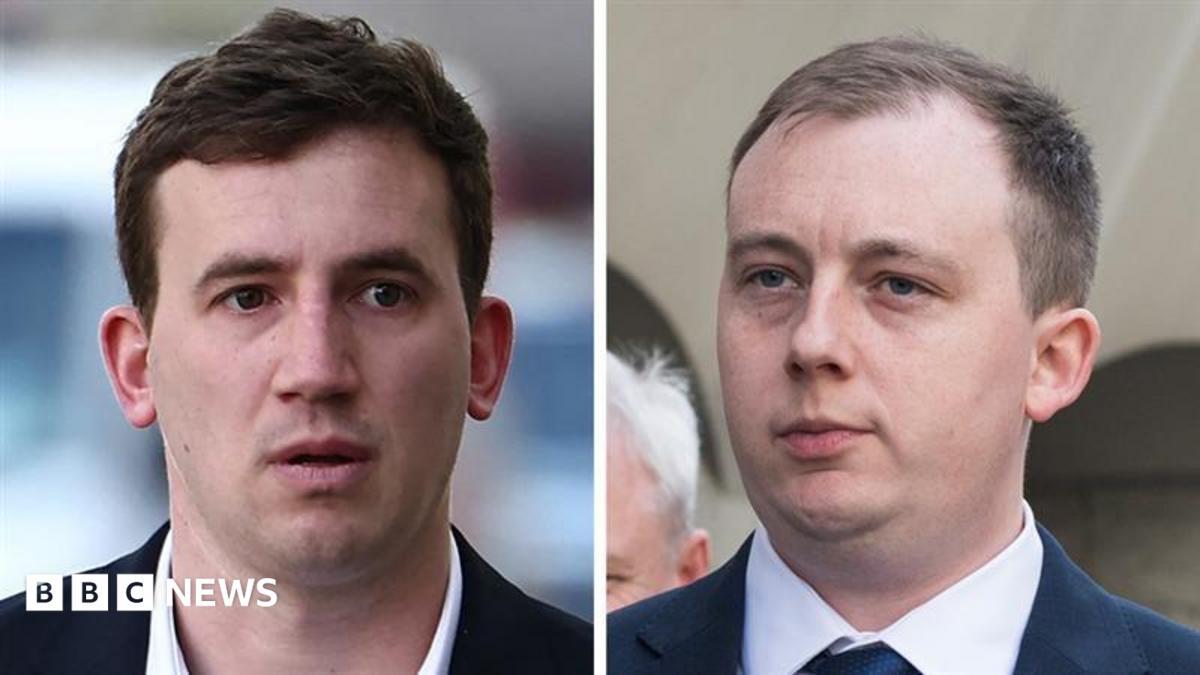
7 outlets told this the same way.
UK China Spying Case Edits
UK officials removed the word “enemy” from a key witness statement in a China-related spying case. Deputy National Security Adviser Matthew Collins deleted the term because it did not align with government policy at the time. He then sent the final draft to then–Prime Minister Rishi Sunak and his advisers.
“Collins reviewed and amended a draft statement to ensure it was factually accurate and aligned with government policy, specifically removing the term ‘enemy’ as it did not reflect official policy.”
Multiple outlets report that this edit influenced how police and prosecutors framed China’s status during the alleged offenses. The Crown Prosecution Service (CPS) later dropped charges against two suspects, citing an evidential failure on whether China constituted a threat between 2021 and 2023.
The Attorney General confirmed he was informed of the CPS’s decision but chose not to intervene. The government denies any ministerial interference amid growing political recriminations over the case’s collapse.
Dispute Over Document Edits
Key timing details are contested or unclear across accounts. The Independent reports Collins received drafts late in 2023 and removed the word “enemy” before sending the final version to Sunak in December 2023. Express & Star states that the removal was already known to Counter Terror Police and the CPS, which contributed to a lack of basis for charges.
The BBC adds that Collins told police they could not label China as an “enemy.” Separately, The Straits Times says the evidence was only shared with Sunak, not with Starmer’s ministers. The same source reports that Collins removed “enemy” because it was not government policy before the election, raising questions about who knew what, and when.
Case Dropped Over Evidence Issues
The CPS dropped the case in September 2023, citing insufficient evidence that Beijing posed a threat during the alleged offenses. They later described an “evidential failure” about whether China was a threat in 2021–2023. The Attorney General, Lord Hermer, said he was told confidentially on 3 September that the case would be dropped and was asked not to inform other ministers, which he described as normal practice.
“The CPS dropped the charges in September 2023, citing insufficient evidence that Beijing posed a threat during the alleged offenses.”
After the collapse, Downing Street and the CPS publicly blamed each other: the government expressed disappointment with the CPS, while the Director of Public Prosecutions pointed to the Labour government’s lack of supporting evidence. Critics also questioned Keir Starmer’s role, but reports say Starmer’s ministers were not involved in the evidence shared before the election.
Media Perspectives on UK-China Relations
Asian and Western outlets diverge on motives and implications regarding UK-China relations. The Straits Times reports criticism that Starmer’s administration interfered to appease China and improve trade. It also notes that the evidence published by the government detailed Chinese malign activity without explicitly labeling China a national security threat.
Western mainstream outlets such as the BBC, The Independent, and The Telegraph largely focus on process issues. These include policy alignment, evidential standards, and an inter-institutional blame game.

The Joint Committee on National Security published documents, including a letter from Collins and Jonathan Powell. Express & Star, a Western tabloid, highlights partisan blame between Conservatives and Labour.
Debate Over Case Edit Impact
What remains unresolved is causation and accountability. Some coverage ties the edit to a weakened prosecutorial basis or an evidential failure, while others frame it as a necessary correction to reflect policy.
“The removal, made by Powell’s deputy Matt Collins and known to Counter Terror Police and the Crown Prosecution Service (CPS), meant prosecutors lacked the necessary basis to charge two suspects...”
The Straits Times says Collins and DPP Stephen Parkinson will testify before a parliamentary inquiry, and that the evidence released by the government did not call China a national security threat, even as it itemized malign activity. Until that inquiry clarifies the record, conflicting narratives will persist over whether the removal of enemy undercut the case, simply reflected policy, or became politicized amid UK–China relations and domestic party battles.
