Ukraine War · 29 July, 2026 · 2 min read
Ukraine Attacks Iranian-Linked Shipping in Caspian Sea, Zelenski Says
Ukraine attacked Iranian ships in the Caspian Sea. Ukrainian SBU used long-range drones to strike Caspian Sea targets.
I Paper frames widening missile/drone risks.
9 of 10 outlets skipped it: SBU named Mordad 3 (July 25) drone operation..
10outlets compared
Same story, two versions
tap a side to read it in full
The i Paper
““Countries went to war assuming they were bilateral or trilateral,” he told The i Paper.”Read the original ↗
El País
“All signs point to bilateral diplomacy having reached a tacit understanding that allows them not to worsen the situation.”Read the original ↗
i Paper frames widening missile/drone risks; El País frames a controlled tacit understanding
Caspian clash announced
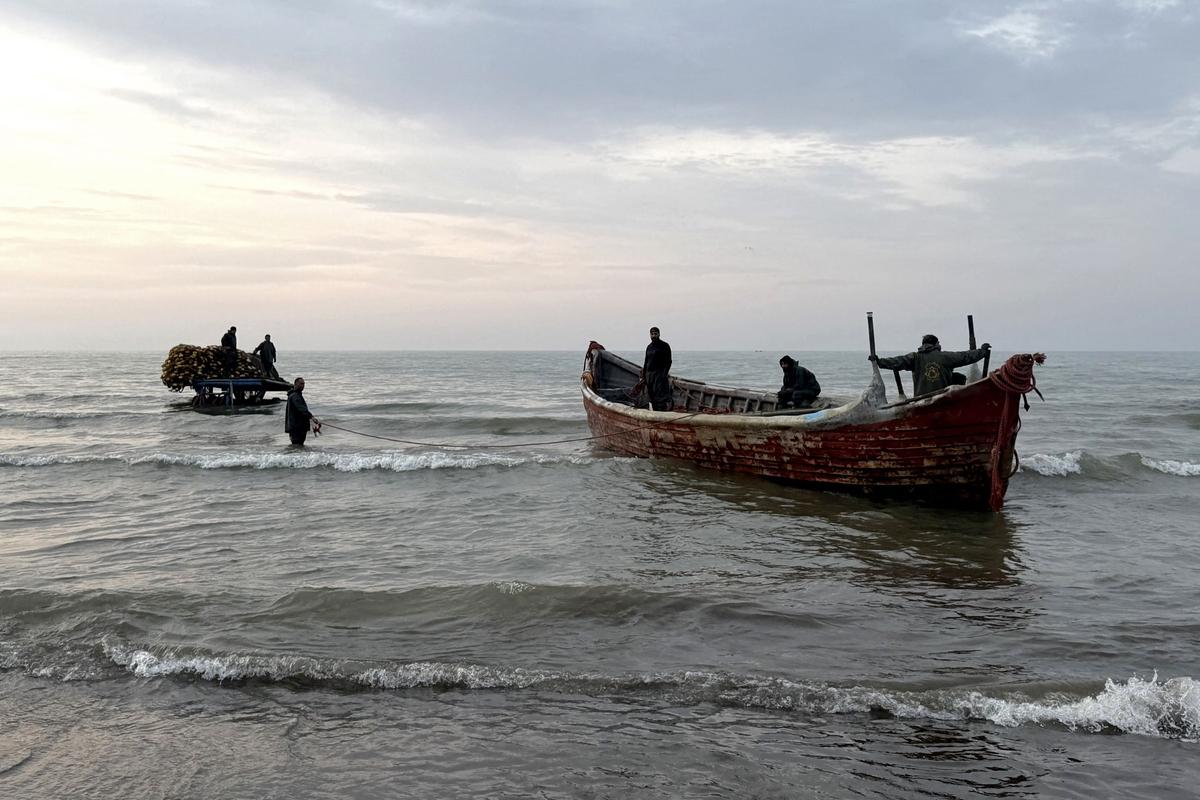
Ukraine announced a direct attack on Iranian-linked shipping in the Caspian Sea on July 25, with Volodymyr Zelenski celebrating that Ukrainian forces struck Iranian vessels carrying military cargo and a warship on a route essential for aid to Moscow.
“Zelenski celebrated an attack by his troops on Iranian ships on a route essential for aid to Moscow”
El País reported that Tehran denounced the bombing of a commercial ship flying an Iranian flag in which a crew member died, while Zelenski framed the strikes as another blow against the aid network Moscow receives from its Iranian ally.E

The i Paper said Poland reported a cruise missile of probable Russian origin had landed in farmland close to its border with Ukraine, and it also cited a first known Ukrainian attack on Iran that killed a sailor in the Caspian Sea.T
The i Paper also quoted Brett McGurk saying, “I don’t want to be alarmist but there are glimpses of world war dimension, global conflict dimension,” as clashes between Iran and Ukraine showed little sign of coming to an end.T
Diplomacy and competing signals
El País said Kyiv tried to resist escalation during the week after the July 25 Caspian attack, with Andrii Sibiha urging Abbas Araqchi in a phone call on July 28 to avoid actions that could escalate the clash and to stop assisting Moscow.E
In the same reporting, El País quoted Sibiha posting that “All Ukrainian actions are aimed solely at defending our country from Russian aggression and have never intended to attack civilian ships or people,” while Araqchi wrote that “There must be restitution for the losses,” and that Iran does not intend an escalation.E
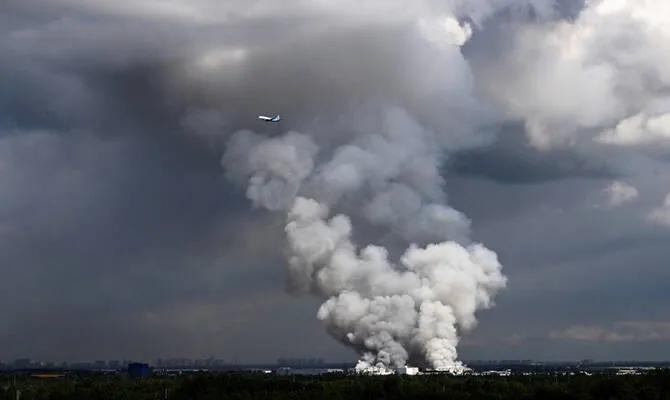
The i Paper described how Foreign ministers in Kyiv and Tehran called for calm after the Ukrainian attack on Iran, and it quoted Ukrainian MP Oleksii Goncharenko saying Iran is a “participant in this war”.T
The i Paper also reported that Mekelberg warned, “Countries went to war assuming they were bilateral or trilateral,” and said they end up with “something way bigger than they expected.”T
What’s at stake next
El País said the Caspian Sea attack opened a new front in the conflict by striking a route essential for military collaboration between Iran and Russia, and it framed the question as whether Ukraine and Iran can sustain a new front.E
“opening a new front in the conflict”
The i Paper warned that incidents risk opening new fronts as Poland, Romania, Moldova and Baltic states found their territories in the flight paths of drones and missiles from the war in Ukraine, with origins and intentions “rarely clear.”
The i Paper quoted Yossi Mekelberg saying, “The threat is spreading,” and it added his question about whether drones flying over Moldova and Romania are “a black flag [enemy attack]?”.T
The i Paper also said Babak Taghvaee noted that drone or missile attacks between Ukraine and Iran would require overflying and violating the airspace of countries such as Georgia, Armenia, Azerbaijan or Turkey, widening the scope of the conflict.T