Ukraine War28 March, 20263 min read
Ukraine Sends 228 Counter-Drone Specialists To Gulf, Demands Patriot Missiles In Exchange
Ukraine offers Gulf allies Patriot missiles for anti-drone capabilities. Zelensky signs air defence deals with UAE and Qatar.
New counter-drone deployment in Gulf
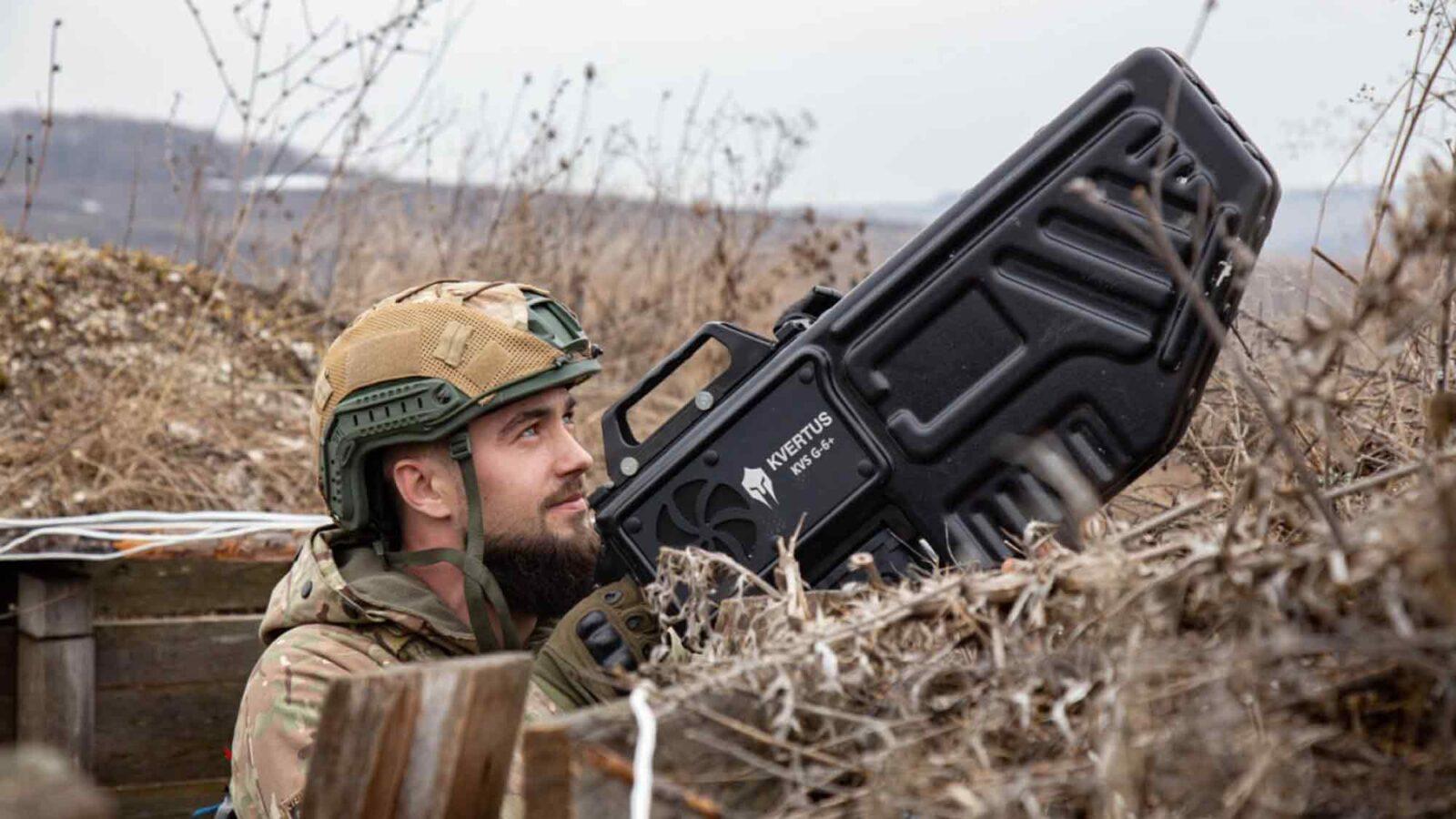
The single most important new development is Ukraine dispatching 228 counter-drone specialists to Gulf partners to bolster their defenses against Iran’s drone campaign, signaling a tactical shift from relying on U.S.-made interceptors to embedding Kyiv’s counter-drone expertise directly in Gulf air-defense networks. Defense News notes that Zelenskyy frames the move as part of a transactional security dynamic, saying: “If partners can spare the high-end interceptors Ukraine can’t get in sufficient quantity — Patriot Advanced Capability-3 missiles — Kyiv can help fill the gap with what it can scale faster and cheaper: interceptor drones, plus the crews and tactics that make them work.” The same article emphasizes the geographic spread of the teams across Jordan, Qatar, the UAE, Saudi Arabia, and Kuwait, underscoring a deliberate, long-term capacity-building effort rather than a one-off arms transfer.
“If partners can spare the high-end interceptors Ukraine can’t get in sufficient quantity — Patriot Advanced Capability-3 missiles — Kyiv can help fill the gap with what it can scale faster and cheaper: interceptor drones, plus the crews and tactics that make them work.”
The New Arab and Al Jazeera describe a broader wave of Gulf defense diplomacy surrounding Zelenskyy’s visits, including decade-long cooperation deals and joint counter-missile expertise. Euromaidan Press highlights Ukraine’s framing of this as a strategic barter, pointing to Ukraine’s willingness to exchange drone and counter-drone capabilities for access to Patriot missiles.

Exact terms and mechanisms
The core bargaining chip is Patriot missiles in exchange for Ukraine’s interceptor drones and counter-drone prowess. Defense News cites Zelenskyy’s PAC-3-for-interceptor swap and Ukraine’s claimed ability to produce around 2,000 interceptor drones per day. The New Arab and Euromaidan Press describe 10-year defense cooperations, joint production, and technology-sharing as the framework for the deal.
Al Jazeera notes that the defense pact includes collaboration in technological fields and the exchange of counter-missile expertise. WhoWhatWhy mentions ongoing discussions about multimillion-dollar contracts and Gulf governments negotiating the terms.

Regional backdrop and shifts
Iran’s drone campaign provides a dangerous backdrop that intensifies Gulf-state security concerns and accelerates moves toward embedded counter-drone capabilities. Ukraine’s emergence as a leading interceptor producer underpins Gulf states’ interest in cheaper, scalable counter-drone options beyond expensive Patriot batteries. Zelenskyy’s Gulf visits signal a broader realignment in regional security arrangements, with Kyiv marketing its anti-drone expertise as a strategic asset.
“Ukraine has become one of the world’s leading producers of interceptors as Russia has been attacking Kyiv with hundreds of thousands of Iranian drones since the start of its full-scale invasion.”
European and Gulf-aligned outlets describe a long-term framework—10-year partnerships and joint production—that would embed Ukrainian capabilities in Gulf defenses. The overall implication is a move toward multi-actor defense supply networks that can adapt rapidly to drone threats while easing pressures on Western missile inventories.
Risks and bottlenecks
Patriot missile transfers to Gulf states require U.S. authorization, a potential bottleneck for the proposed barter. Gulf states’ willingness to engage depends on complex US approvals and broader political calculations, as described in Gulf-focused coverage and analysis. Western missile inventories and competing demands (e.g., Iran battles) constrain the immediacy of a large-scale Patriot-for-interceptor exchange.
Some Gulf partners reportedly view the talks as in their infancy, indicating a longer, uncertain runway for the proposed deal. These uncertainties coexist with Kyiv’s push to monetize its drone ecosystem as a strategic asset in Middle East defense diplomacy.
Global implications of the barter
If Kyiv secures durable 10-year defense deals, Gulf partners would gain a cheaper, scalable counter-drone layer that eases dependence on expensive Patriot missiles. The New Arab highlights the scale of potential defense export opportunities for Ukraine, framing the arrangements as multi-billion-dollar contracts for exporters. Al Jazeera situates ongoing regional defense diplomacy as a core feature of Zelenskyy’s Gulf visits and security planning.
“Ukraine has become one of the world’s leading producers of interceptors as Russia has been attacking Kyiv with hundreds of thousands of Iranian drones since the start of its full-scale invasion.”
Euromaidan Press emphasizes the broader geopolitical and economic shifts driven by drone warfare and inter-African/West-Asian defense interoperability. Together, these developments point to a new triadic dynamic: Kyiv’s drone industry, Gulf air-defense needs, and U.S. stock and policy considerations all shaping a rebalanced West Asian security architecture.