Iran05 March, 20262 min read
Ukraine Sends Drone-Defense Teams To Middle East At US Request To Counter Iran's Shahed Drones
This article is an automated aggregation of coverage from news outlets. Our editorials offer in-depth analysis curated by the NewsCord team.
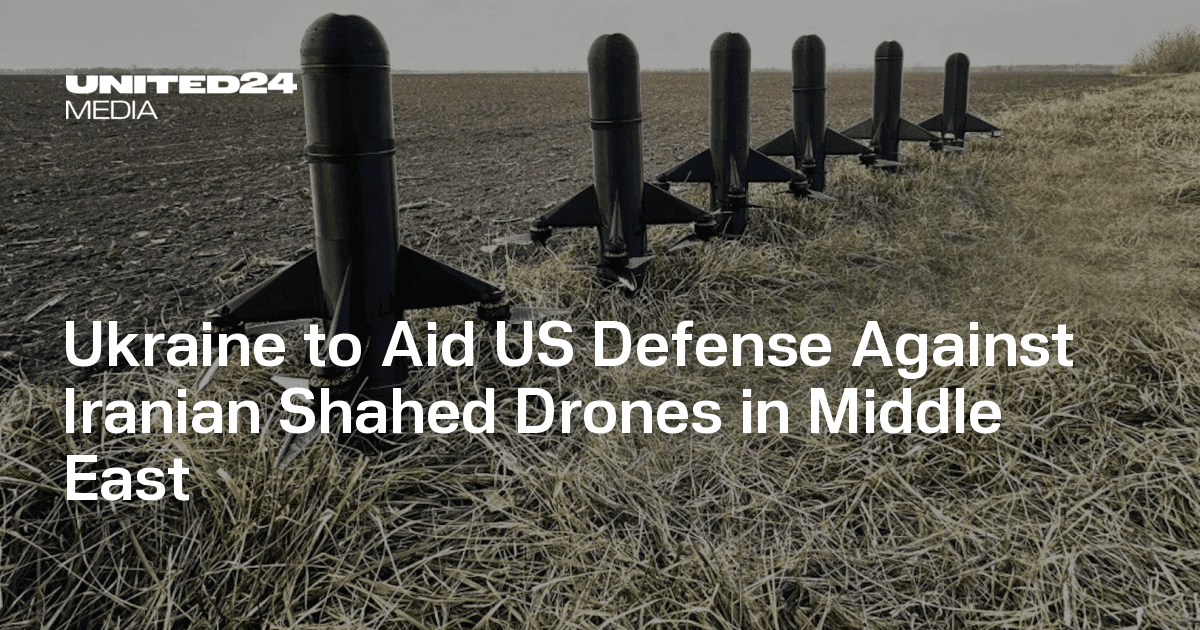
Ukraine received a United States request and will support defenses against Iranian Shahed drones Kyiv will deploy Ukrainian specialists and deliver necessary equipment to Middle East air defenses
Support for Middle East bases
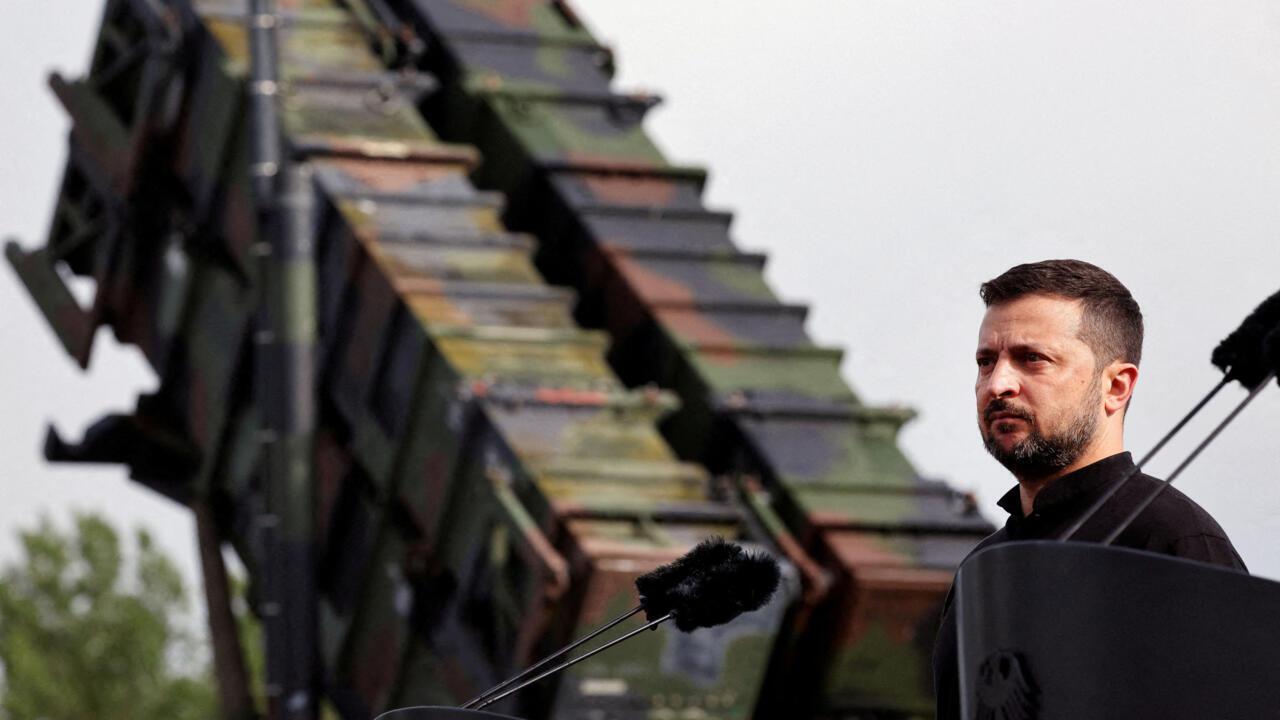
Ukraine’s president Volodymyr Zelensky ordered the Ukrainian military to provide equipment and specialists to help protect foreign bases and personnel in the Middle East. Kyiv said the order followed a U.S. request for assistance against Iranian-made Shahed drones. Officials said work could begin "in the next few days."
“Ukraine’s president Volodymyr Zelensky has ordered his military to provide the means and Ukrainian specialists to help protect foreign bases and personnel in the Middle East, with work to begin ‘in the next few days,’ a source said.”
Zelensky framed the move as responding to partner requests. He warned that a prolonged conflict with Iran could reduce Western weapons shipments to Ukraine. He floated swapping interceptor drones for air-defence missiles held by Middle Eastern allies.
Kyiv's drone-defence measures
Kyiv says it brings extensive operational experience countering Shahed strike drones after years of Russian attacks.
Ukrainian firms and developers have produced inexpensive, effective small-drone interceptors and other low-cost air-defence solutions that Kyiv argues are suited to the high-volume, low-cost Shahed threat.

Ukraine logistics and interceptors
Zelensky and Kyiv have discussed concrete logistics with the United States and a range of Gulf and regional partners.
“The Financial Times reported that the U.S. Department of Defense and at least one Gulf state are in talks to buy relatively cheap Ukrainian-made interceptor drones (manufactured by about 12 companies), which cost a few thousand dollars each versus millions for PAC-3/Patriot interceptors.”
Officials say proposals include outward deployment of Ukrainian teams plus possible hardware exchanges or purchases.
Reporting says the U.S. Department of Defense and at least one Gulf state have explored buying Ukrainian interceptors as a cheaper alternative to costly Patriot‑class interceptors.
Air defenses and diplomacy
U.S. lawmakers and officials have expressed anxiety about interceptor stockpiles and resupply. Kyiv’s offer arrives amid broader diplomatic and security ripples. U.S. briefings warned that American air defenses cannot be relied on to stop every Shahed.
Senators warned replenishing interceptors is a "math problem". EU and Gulf ministers are discussing Ukrainian contributions. Moscow has criticized U.S. and Israeli actions in the region.

Kyiv's cautious assistance plan
Operationally, Kyiv says it will only assist in ways that do not weaken its own defences. Zelensky ordered equipment and specialists but stressed caution.
“The U.S. has formally requested support and Zelenskyy ordered equipment and Ukrainian experts to be sent, with the caveat that any assistance must not weaken Ukraine’s own defenses and should bolster Kyiv’s diplomatic leverage against Russia.”
Ukrainian teams have said they are ready to operate on site to protect civilians, stabilise maritime navigation, and help partners adapt to Shahed swarm tactics. The approach is framed as both a security contribution and a means to preserve Ukraine's diplomatic leverage.
