Ukraine War14 August, 20263 min read
Ukraine Strikes Russian Rocket Manufacturing Center, Airfield Used by MiG-31 Jets
This article is an automated aggregation of coverage from news outlets. Our editorials offer in-depth analysis curated by the NewsCord team.
Ukraine says it struck a Russian rocket manufacturing center and related facilities. Patriot interceptor missiles shortages leave Ukraine exposed to ballistic missile attacks.
5 outlets told this the same way.
Strikes and air-defense gap
Ukraine said it struck a rocket manufacturing center in Russia and other facilities used by Moscow’s forces, with the General Staff of the Armed Forces of Ukraine saying one of the key locations of Russia’s rocket and space industry was attacked on Friday through Saturday. Kyiv also said it hit a Russian airfield used by MiG-31 fighter jets capable of carrying hypersonic missiles, and it reported it had struck a depot of Russian drones and command posts in Ukrainian regions controlled by Moscow. The moves were described as efforts to decrease Russia’s combat capability, while continuing attacks by Russian ballistic missiles have caused Ukraine to face a lack of interceptors.
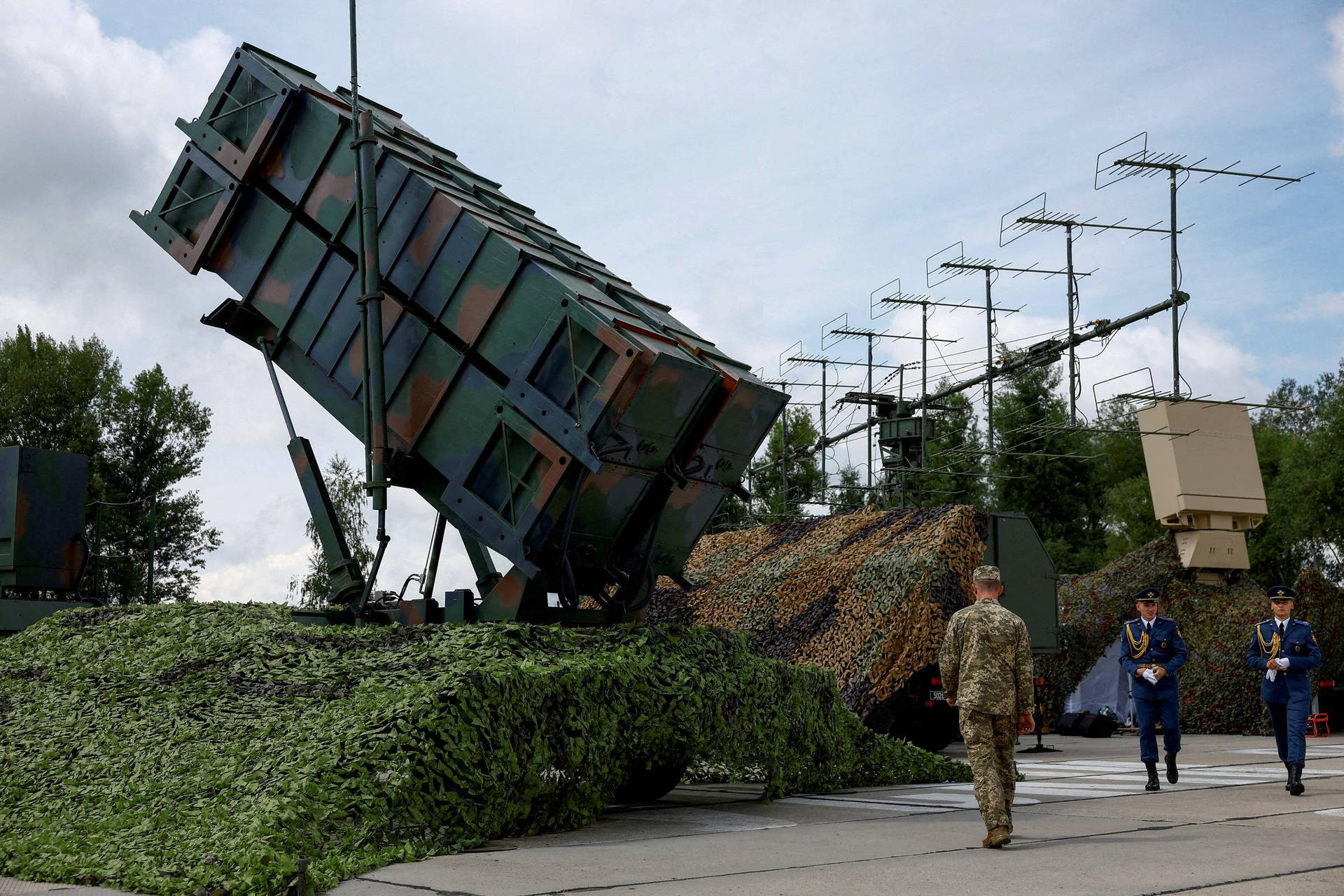
In a video address on Friday, Ukrainian President Volodymyr Zelenskyy reiterated his desire to start licensed production of interceptor missiles for the US-made Patriot defense system, saying, "We continue working to secure air defense for Ukraine -- the missiles needed to protect lives, and agreements for production in Ukraine." The same report said US President Donald Trump told Zelenskyy in July that the US would give Ukraine the license, but later expressed hesitation.
Debate over interceptors
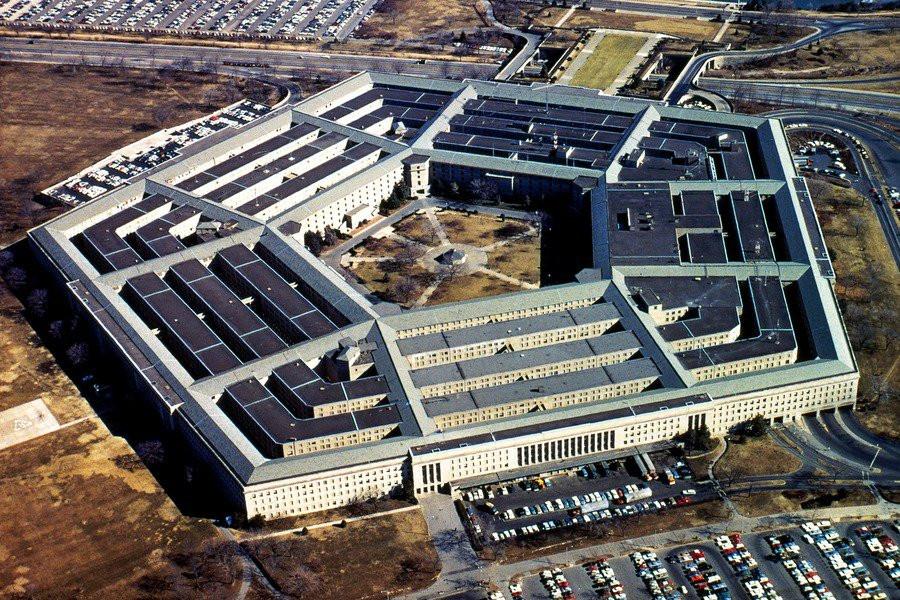
The Pentagon reported Ukraine’s shortage of interceptor missiles for air defense systems, saying Ukraine lacked interceptor missiles to counter ballistic missiles and remained dependent on foreign support in the field of air and missile defense. Russia’s Foreign Minister Sergei Lavrov said any shipments of weapons for Ukraine would become a legitimate target for Russia, while the Kremlin stated that pumping Ukraine with weapons from the West does not contribute to negotiations and will have a negative effect. Ukraine’s Deputy Head of Intelligence, Major General Vadym Skibitskiyi, said Russia is reprioritising the production of ballistic and cruise missiles to exploit Kyiv’s shortages of Patriot interceptor missiles.
In a separate account of the impact on the battlefield, Folha de S.Paulo reported that Kiev's air defense teams were powerless during waves of Russia's ballistic missile attacks because their Patriot interceptor missile launchers were empty. After the bombardment, Zelensky wrote on X, "Without a doubt, we need more protection for our people," criticizing Ukraine's partners for the delay in providing additional air defenses.

What comes next
Folha de S.Paulo said Russia launched 24 ballistic missiles, 4 anti-ship missiles, and 115 drones against Kyiv on August 5, and while 98 drones were shot down, none of the missiles were intercepted. Three days later, the same report said another 6 Russian ballistic missiles hit targets in the capital, killing three people, according to Ukrainian authorities, and it said Ukraine did not intercept any of the missiles fired at the capital in both attacks. Kyiv estimates it needs at least 300 PAC-3 interceptors for its Patriot systems to withstand what authorities expect will be another winter of intense Russian missile and drone attacks on Ukraine's electricity, gas, and water infrastructure.
The report also said Russia launched a record 198 ballistic and hypersonic missiles in July, according to Vadym Skibitsky, and that he stated Russia had been producing about 60 ballistic missiles per month but in July produced at least 65. In the same context of licensing and supply, Zelensky wrote that "Ballistic capabilities, Patriot interceptors, for SAMP/T, NASAMS, Hawk, and our F-16s — all of this works and helps save lives when it is here, in Ukraine, rather than stored in depots thousands of kilometers from Russia's attacks on life," as Kyiv pressed partners to send more units.